Preventive detention explained: Know your constitutional rights
Source Entity
India Latest News: Top National Headlines Today & Breaking News | The Hindu
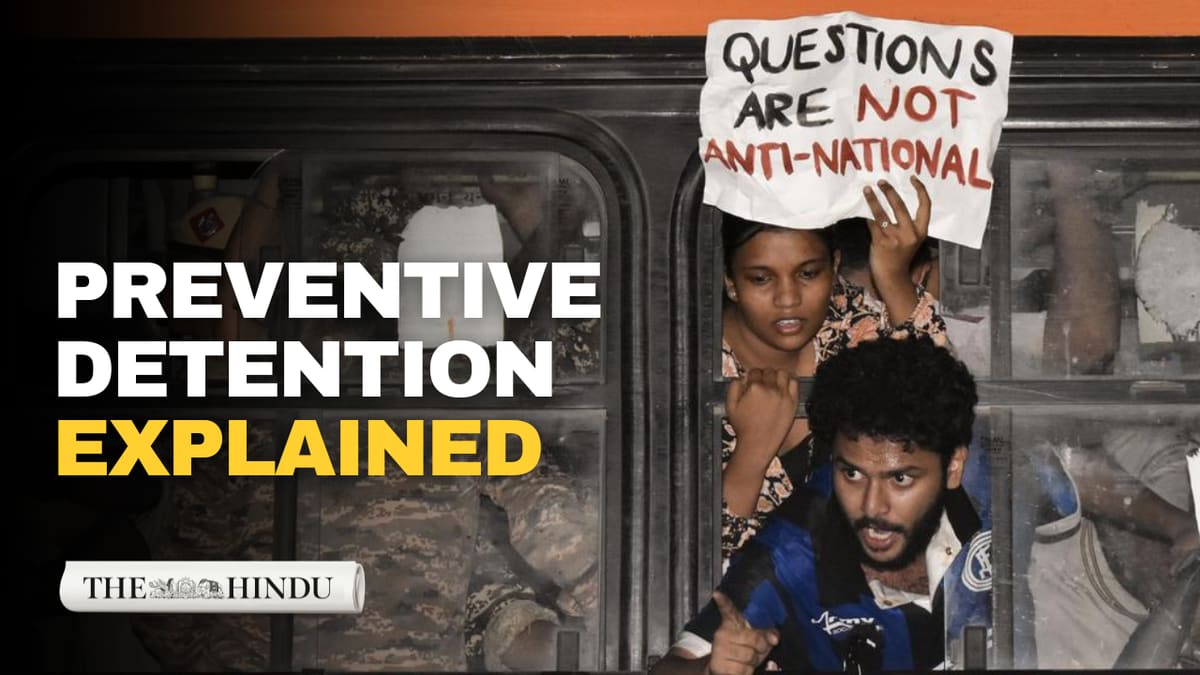
Recent protests in Delhi against the Chief Election Commissioner have sparked a legal debate over the use of preventive detention under Section 163 of the BNSS. While police defend the measures as necessary for public order, concerns persist regarding transparency, access to orders, and constitutional rights.
The Legal and Constitutional Tensions of Preventive Detention
The recent wave of detentions in the national capital following the October 10 protests has ignited a critical national conversation regarding the boundaries of state power and the constitutional rights of citizens. At the heart of this discourse is the application of preventive detention, a mechanism designed to preemptively address threats to public order, which has now come under intense legal and public scrutiny.
Understanding the Legal Framework: Section 163 BNSS
Central to these events is Section 163 of the Bharatiya Nagarik Suraksha Sanhita (BNSS). This provision grants executive magistrates the authority to issue written orders when immediate prevention or a speedy remedy is required to avert danger to human life, safety, or public tranquility. Unlike punitive detention, which follows a criminal charge, preventive detention allows authorities to hold individuals without trial based on anticipated risks. The controversy here stems from the reported failure of the Delhi Police to make these specific prohibitory orders publicly available, leading to allegations that the state is operating in a legal gray area.
Constitutional Safeguards and Judicial Oversight
Article 22 of the Indian Constitution serves as a vital safeguard against the arbitrary use of state power, providing specific protections for individuals held under preventive detention. The Supreme Court has consistently held that while the state has a mandate to maintain public order, this power is not absolute. Judicial intervention is often required to balance the state’s duty to ensure safety with the fundamental right to peaceful protest and freedom of movement. The ongoing litigation in the Supreme Court seeks to clarify whether the police’s actions align with these constitutional imperatives or if they constitute an overreach.
The Delhi Police Stance: Security vs. Liberty
In response to the legal challenges, Delhi Police Commissioner Anurag Kumar has defended the actions as necessary, citing intelligence inputs and an evolving ground situation during the anti-CEC protests. The police maintain that the measures were temporary and aimed at protecting the peace of sensitive zones. They have emphasized that those detained were kept in makeshift centers rather than jails and were provided with basic amenities, arguing that the detentions were brief and strictly tied to the immediate necessity of the situation.
Transparency and the Right to Information
The dispute over whether prohibitory orders were properly communicated highlights a growing gap between police procedure and public expectations of transparency. While the Delhi Police claim that announcements were made and hoardings were installed, petitioners argue that the failure to upload orders to an official website effectively leaves the public in the dark regarding their legal restrictions. This lack of digital accessibility raises fundamental questions about the 'rule of law' in a modern democracy, where citizens should have clear, accessible information regarding limitations on their movement.
Future Trends and Implications
This incident serves as a bellwether for future interactions between civil society and law enforcement. As political dissent continues to manifest through public demonstrations, the courts will likely be called upon to define more clearly the limits of 'preventive' actions. The outcome of the current Supreme Court proceedings will likely set a significant precedent, potentially mandating greater transparency for executive orders and reinforcing the necessity for strict adherence to constitutional safeguards during times of civil unrest.
Verification Required?