'Har galli Jantar Mantar': Farmers, women, youth form joint platform against SIR
Source Entity
Latest News: Todays Latest News Headlines from India & World | Hindustan Times | Hindustan Times
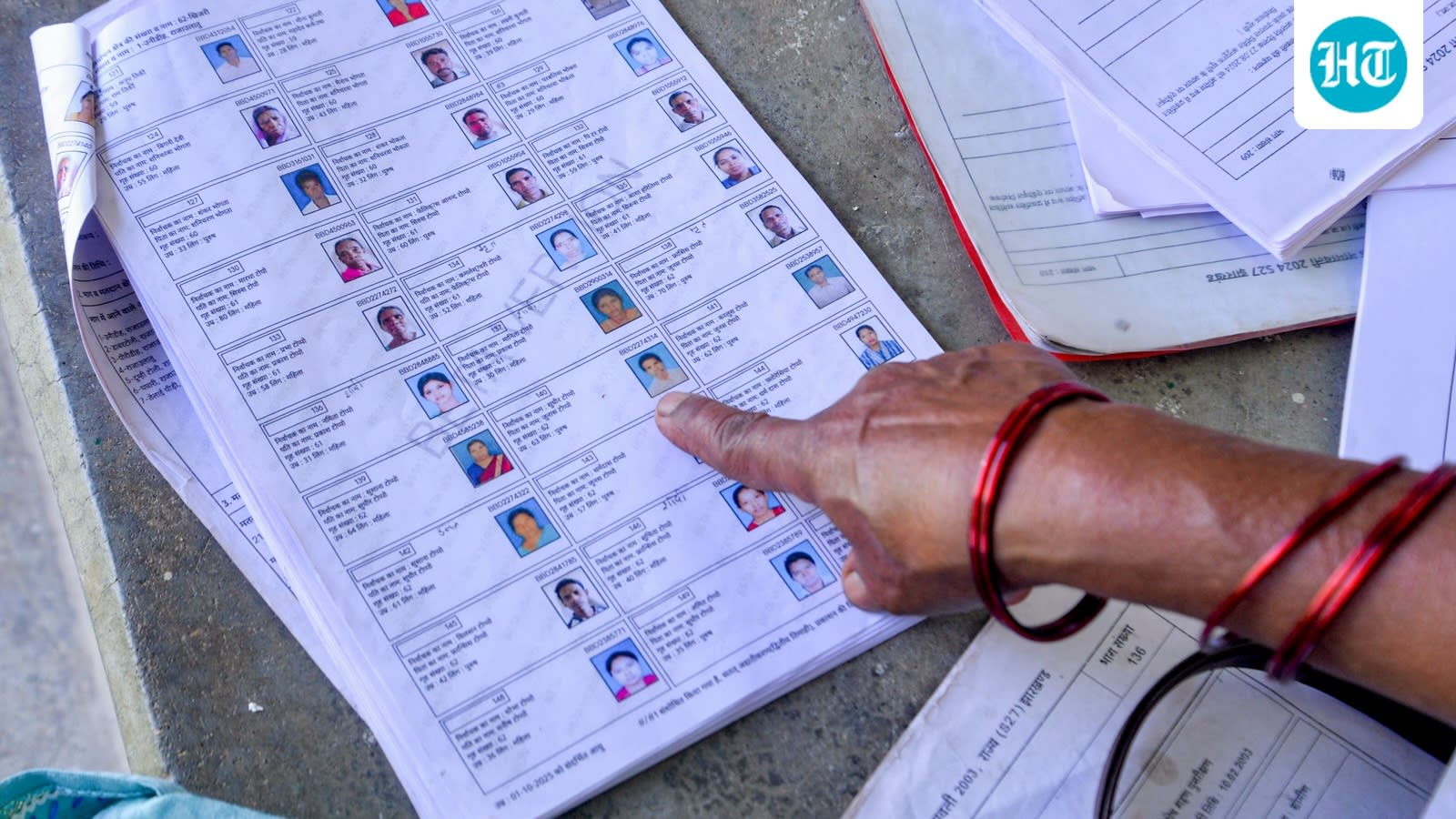
A newly formed coalition called People Against SIR is demanding the rejection of the Special Intensive Revision of electoral rolls. They plan to present audit findings to an Independent Commission led by Justice Madan Lokur during an in-camera hearing.
The Emergence of 'People Against SIR'
In a significant development for electoral transparency, a diverse coalition of farmers, laborers, women, and youth groups has coalesced into a new platform known as 'People Against SIR.' This formation, announced at Surjeet Bhavan, signals a coordinated pushback against the current Special Intensive Revision (SIR) process of electoral rolls. By uniting various demographic sectors, the platform aims to exert collective pressure on electoral authorities, arguing that the current revision process requires not just reform, but outright rejection.
The Role of the Independent Commission
The intensity of this opposition is highlighted by the involvement of an Independent Commission, chaired by former Supreme Court Justice Madan Lokur. This body is set to conduct a closed-door, in-camera hearing at Jawahar Bhawan to record voter testimonies. The decision to involve a high-profile judicial figure underscores the gravity with which the activists view the alleged irregularities in the voter list revision process.
Public Audits as a Catalyst for Change
Central to the strategy of the 'People Against SIR' platform is the submission of empirical evidence derived from public audits. By conducting their own grassroots-level verification of electoral rolls, these groups are attempting to bridge the gap between official administrative claims and the lived reality of voters on the ground. This methodology transforms the discourse from vague grievances to documented concerns, which the Commission will now be tasked to evaluate.
Implications for Electoral Integrity
The demand for an 'annulment' of the SIR process carries profound implications for the sanctity of the democratic process. Electoral rolls form the bedrock of any representative system, and any perceived lack of transparency in the revision process can erode public trust. The platform's stance reflects a broader trend of civil society organizations taking an active, investigative role in monitoring administrative procedures, thereby increasing the stakes for election management bodies.
Future Outlook and Procedural Challenges
As the five-judge Commission prepares to hear testimonies, the movement faces the challenge of translating these local audits into actionable legal or administrative changes. The outcome of these hearings may set a critical precedent for how voter rolls are scrutinized in the future. Whether the Commission finds merit in the platform's claims or suggests procedural modifications, the event marks a pivotal moment in the ongoing debate over the administrative oversight of electoral data in India.
Verification Required?