PUCC enforcement drive from Oct 1, says Delhi Delhi CM Rekha Gupta
Source Entity
The Indian Express
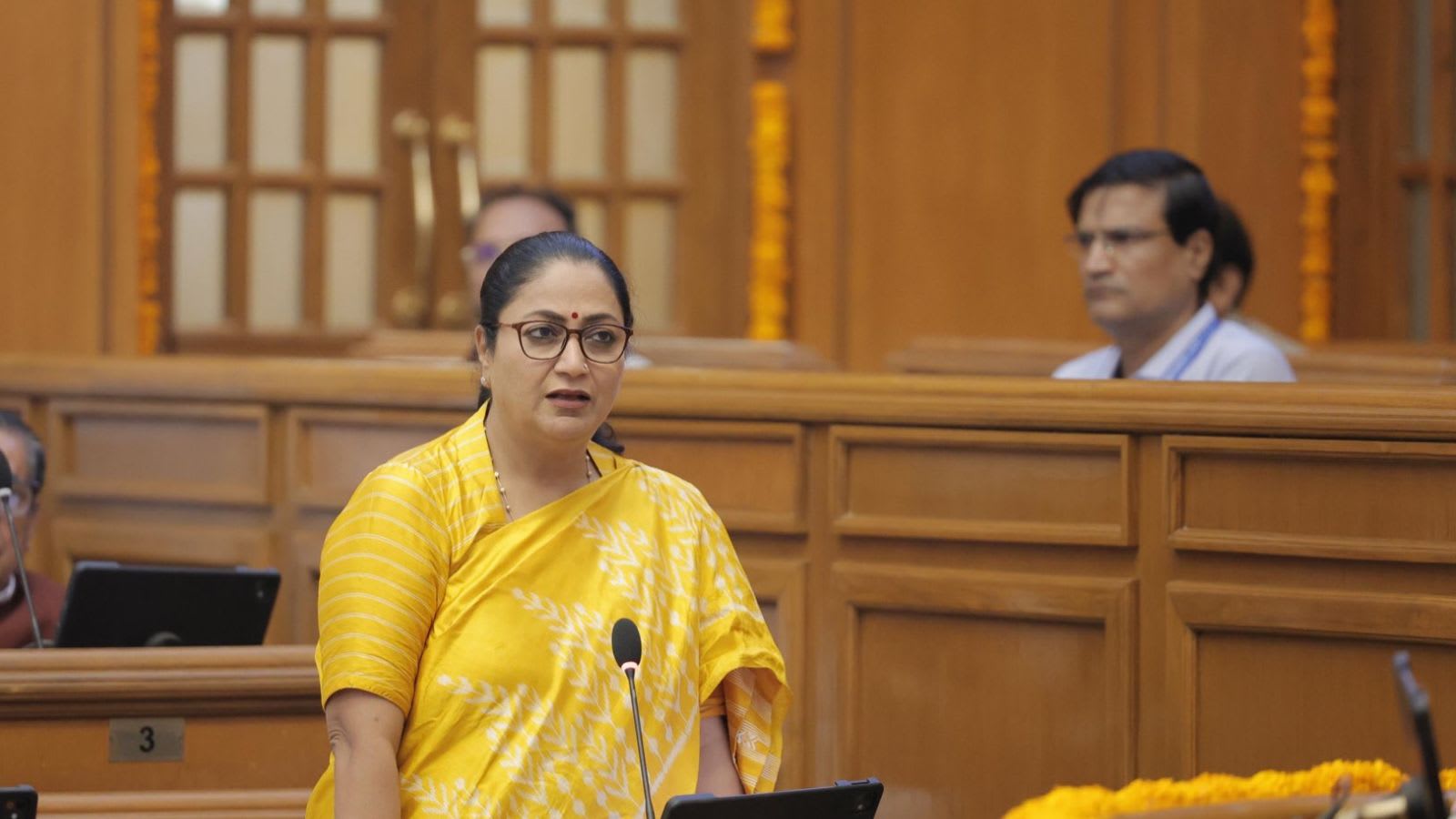
Delhi Chief Minister Rekha Gupta has announced a year-round enforcement drive against vehicles with invalid Pollution Under Control Certificates (PUCC) starting October 1. The initiative includes the inauguration of a high-capacity Automated Testing Station in Burari to modernize vehicle compliance.
Delhi’s Shift Toward Proactive Pollution Control
Delhi Chief Minister Rekha Gupta has officially announced a stringent enforcement drive targeting vehicles operating without valid Pollution Under Control Certificates (PUCC), set to commence on October 1. This policy marks a significant departure from the traditional reactive stance of the Delhi government, which has historically relied on emergency measures triggered only when air quality reaches hazardous levels during the winter months.
Moving Beyond Seasonal Crisis Management
For years, Delhi's pollution policy has been defined by the Graded Response Action Plan (GRAP), which implements temporary restrictions once air quality index (AQI) levels spike. By shifting to a year-round enforcement model, the administration is signaling a strategic pivot. The goal is to integrate environmental compliance into the daily operations of vehicular traffic, rather than treating pollution as a seasonal anomaly that disappears once meteorological conditions improve in the spring.
The Role of Technology in Compliance
Central to this new initiative is the inauguration of a state-of-the-art five-lane Automated Testing Station (ATS) in Burari. With an impressive capacity to test up to one lakh vehicles annually, the ATS represents a critical upgrade in the city's infrastructure. By replacing manual, subjective testing methods with standardized, automated technology, the government aims to eliminate human error and corruption, ensuring that only vehicles meeting strict emission standards remain on the road.
Economic and Environmental Implications
The mandatory enforcement drive carries both economic and environmental weight. While individual vehicle owners will face increased pressure to ensure their documentation is current, the long-term objective is to curb the high levels of particulate matter (PM2.5 and PM10) that plague the Capital. Modernizing vehicle testing is not merely a bureaucratic task; it is a vital component of a broader transport policy intended to clean the city's air through consistent, data-backed oversight.
Future Trends in Urban Governance
This initiative suggests a future where urban governance in Delhi becomes increasingly data-driven. As the government continues to work across various sectors, including transport and industrial regulation, the success of this PUCC drive will likely serve as a benchmark for future environmental policies. If the Burari ATS proves effective in increasing compliance, it is highly probable that the administration will expand this model to other parts of the city to create a comprehensive network of automated testing facilities.
Conclusion
In summary, the announcement by Chief Minister Rekha Gupta reflects a mature approach to one of Delhi's most persistent challenges. By emphasizing permanent, year-round enforcement over temporary, stop-gap solutions, the government is laying the groundwork for a more sustainable urban environment. The combination of legislative will and technological infrastructure is a necessary step toward mitigating the severe public health risks associated with Delhi’s chronic air pollution.