In Pune, the long wait for a government job
Source Entity
India Latest News: Top National Headlines Today & Breaking News | The Hindu
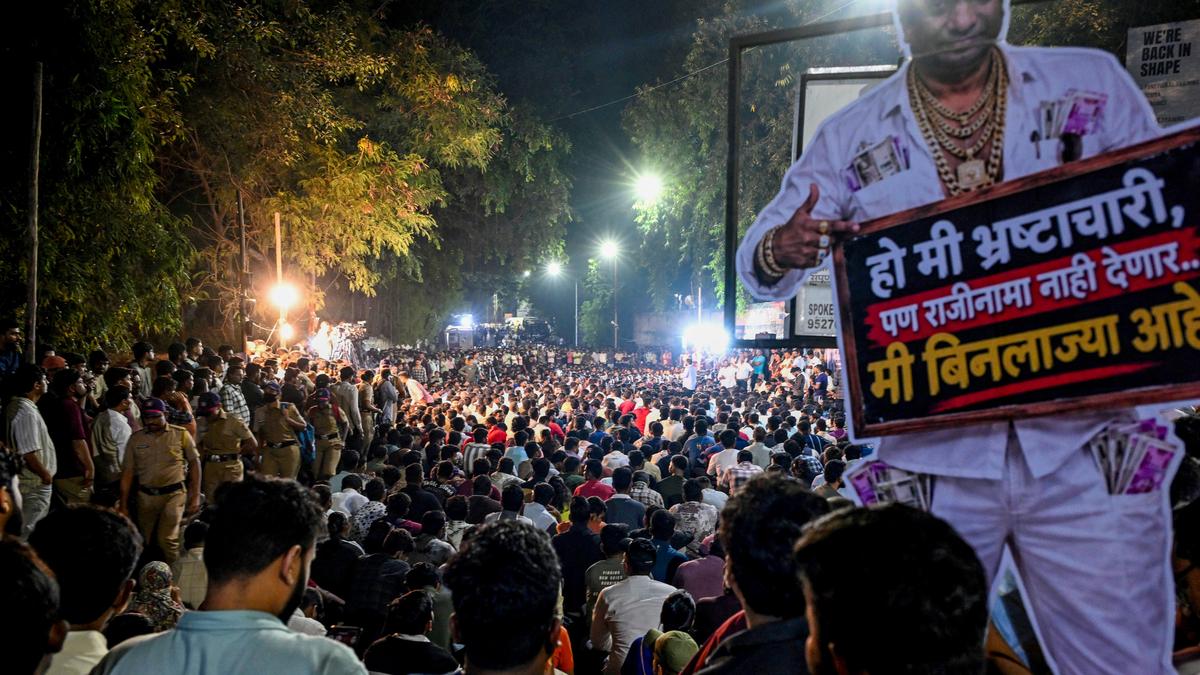
Delhi authorities have implemented massive security measures, including the closure of 45 Metro stations and the detention of over 400 protesters. Daily wage workers are facing significant hardships as security checkpoints prevent them from reaching their workplaces in central areas.
Security Lockdown and Public Disruption in Delhi
The national capital is currently witnessing a massive security mobilization in response to planned demonstrations, colloquially referred to as 'Jantar Mantar 2.0.' Authorities have moved to preemptively neutralize potential unrest, resulting in the detention of over 400 individuals who were congregating for the protest. This heavy-handed approach highlights the state's intent to maintain order through restrictive measures, including the deployment of the 'Pink Force' and the widespread utilization of body cameras to monitor and document the movements of those in the vicinity of protest zones.
Infrastructure Paralysis: The Metro Shutdown
A defining feature of the current security strategy is the near-total shutdown of the Delhi Metro network. Access to 45 stations—including critical hubs like Rajiv Chowk, Central Secretariat, and Kashmere Gate—has been strictly curtailed, with entry and exit points sealed from Friday night through Saturday evening. This unprecedented closure effectively severs the city's primary transit artery, forcing a massive shift in commuter logistics and signaling the severity with which the administration views the potential for large-scale assembly.
The Human Cost: Daily Wage Workers and Identity Barriers
Beyond the political implications, the security apparatus has created significant hardships for the city's vulnerable workforce. Reports from the Nizamuddin area indicate that daily wage laborers and construction workers, many of whom lack formal identity documentation, have been summarily turned away by police barricades. These individuals, essential to the daily operations of Khan Market and central business districts, find themselves trapped in a bureaucratic limbo where their professional attire or employer-provided keys are insufficient to bypass security cordons.
Socio-Economic Implications of Security Protocols
The inability of the workforce to reach their stations reflects a growing tension between state-mandated security protocols and the necessity of economic continuity. As seen in the case of workers like Devender Chauhan, whose wife was denied passage despite wearing a recognizable company uniform, the rigid enforcement of identity checks is creating a barrier that disproportionately impacts the informal sector. This disruption threatens to dampen local commerce, as small shops and businesses remain shuttered due to the absence of key personnel who are physically barred from entering the city center.
Future Trends and Security Outlook
Looking ahead, the reliance on mass detentions and the strategic paralysis of transit networks like the Delhi Metro suggests a hardening of state policy toward public dissent. The integration of advanced monitoring tools such as body cameras and specialized units like the Pink Force indicates a shift toward a more high-tech, surveillance-heavy approach to crowd management. As Delhi continues to balance its status as a hub for political demonstration with the need for urban functionality, the trend toward preemptive closures and rigorous identity verification is likely to remain a contentious feature of future protest management strategies.
Multiple Citing Sources
Verification Required?