Two-stage exam, age cap, CBT shift in NEET: Parliamentary panel calls for major changes
Source Entity
The Indian Express
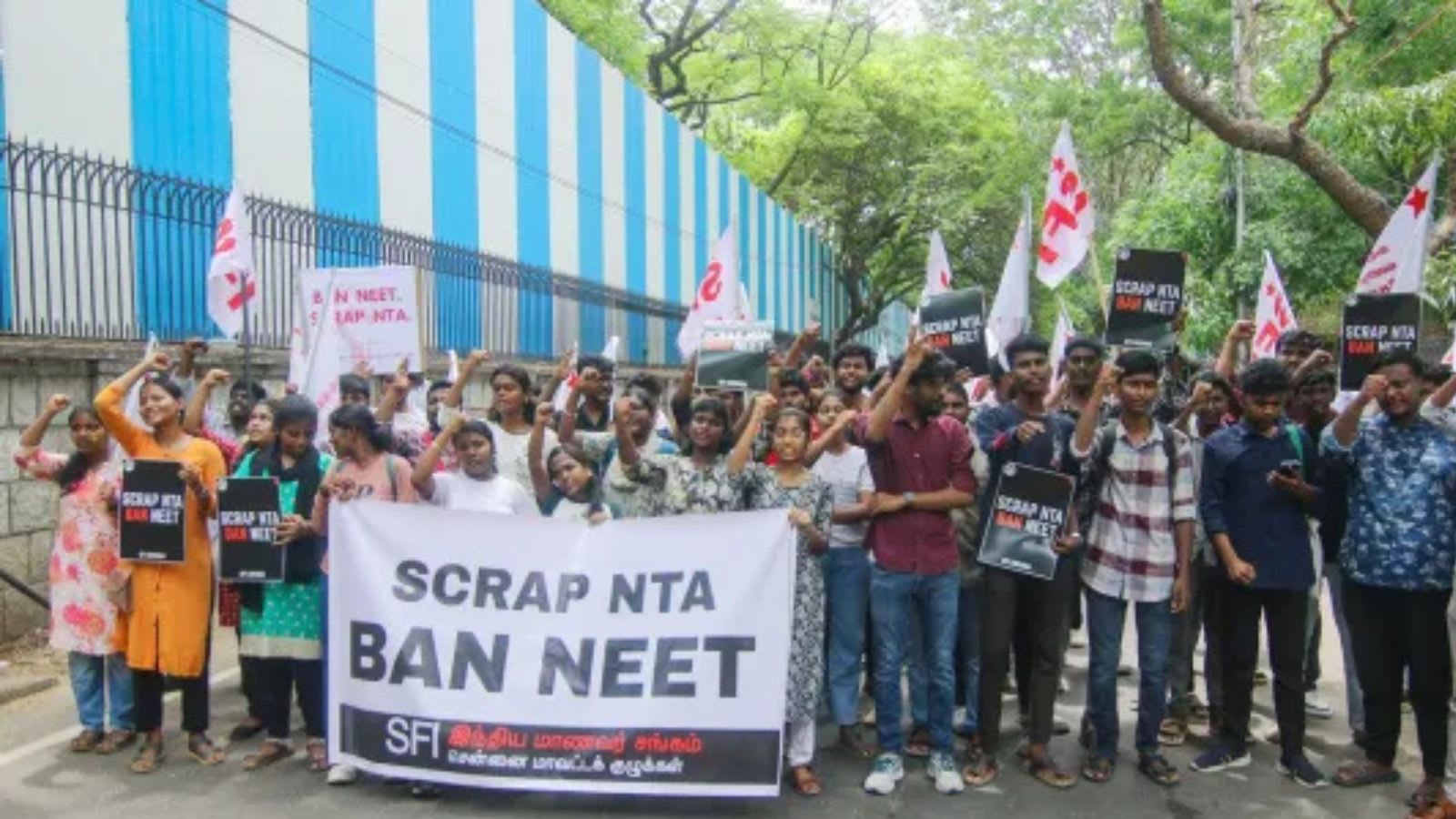
A Parliamentary Standing Committee has recommended sweeping reforms for the NTA following the NEET-UG 2026 paper leak. Proposed changes include shifting to a computer-based format, creating dynamic question banks, and establishing a legislative framework for parliamentary accountability.
Parliamentary Panel Demands Overhaul of NTA Following NEET-UG Crisis
Following the cancellation of the NEET-UG 2026 examination due to a significant paper leak, the Parliamentary Standing Committee on Education, Women, Children, Youth and Sports has tabled a landmark report in the Rajya Sabha. The committee, chaired by Congress MP Mukul Wasnik, concluded that despite existing safeguards such as biometric checks, jammers, and AI-monitored CCTV systems, the integrity of the examination was fundamentally compromised. This failure has triggered a call for a complete legislative and procedural overhaul of the National Testing Agency (NTA).
Legislative Accountability and Oversight
A primary recommendation of the committee is the establishment of a formal legislative mechanism to ensure the NTA remains accountable to both Houses of Parliament. By framing the agency’s performance as a matter of social justice and national integrity, the panel seeks to move beyond administrative oversight toward a more robust, constitutionally anchored governance structure. This shift aims to ensure that the agency responsible for the future of millions of students operates under strict parliamentary scrutiny, preventing the recurrence of systemic failures.
Transitioning to Computer-Based Testing (CBT)
The committee has identified the traditional pen-and-paper format as a significant vulnerability. To mitigate the handling risks associated with physical question papers, the panel strongly recommended transitioning flagship entrance exams like NEET-UG to a Computer-Based Test (CBT) mode. This technological pivot is intended to reduce the human touchpoints that currently leave the system susceptible to leaks, thereby hardening the examination process against external interference.
Strengthening Security through Dynamic Infrastructure
Beyond the mode of delivery, the panel emphasized the need for long-term defensive strategies. The report advocates for the creation of large, diverse, and continuously updated 'dynamic question banks.' By constantly rotating and generating questions, the NTA can render localized leaks ineffective. Additionally, the committee proposed the creation of a centralized national registry to blacklist compromised vendors, ensuring that private entities with a history of failure are permanently barred from participating in national testing infrastructure.
Financial and Operational Reforms
The committee also addressed the financial management of the NTA, suggesting that the agency’s accumulated surplus should be reinvested into government-run, high-security test centers. This strategy aims to reduce reliance on third-party infrastructure. Furthermore, the report suggests a more humane approach to examination security, advising against invasive student frisking, which has historically been a point of contention and distress for candidates.
Implications and Future Trends
This report marks a pivotal moment for Indian education policy. If implemented, these reforms—ranging from age caps and two-stage examinations to total digitization—will fundamentally alter the landscape of medical education in India. The emphasis on institutional reform over temporary patches suggests that the government is under immense pressure to restore public trust. Moving forward, the success of these measures will depend on the speed of legislative action and the NTA's ability to upgrade its technological backend to handle the massive scale of national entrance exams.