Student, 31, Jumps To Death From 6th Floor At IIT Delhi
Source Entity
NDTV News Search Records Found 1000
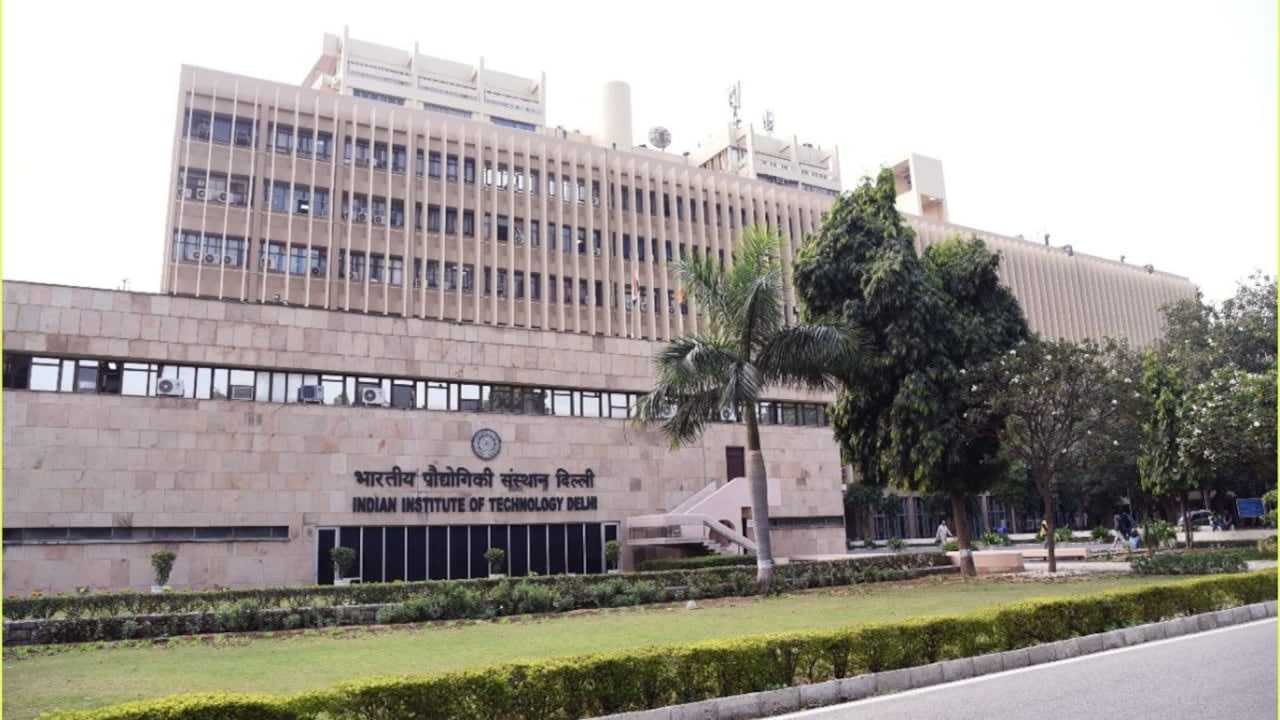
Two separate tragic incidents in Delhi have resulted in the deaths of a 19-year-old nursing student and a 31-year-old IIT Delhi student. Authorities are currently investigating both cases as suspected suicides.
Tragic Loss of Life in Delhi Academic Institutions
Recent reports from New Delhi have highlighted two separate, deeply distressing incidents involving the deaths of students within academic and residential settings. In the first instance, a 19-year-old nursing student, who was in her third year of B.Sc. studies and affiliated with Sir Ganga Ram Hospital, was found dead in her hostel room in Rajinder Nagar. In a separate, unrelated event, a 31-year-old M.Sc. Physics student at IIT Delhi reportedly died after jumping from the sixth floor of a campus building. These events have left the respective institutions and the broader community in a state of shock.
Investigation and Preliminary Findings
Law enforcement agencies are currently handling both cases with high priority. Regarding the nursing student, police have confirmed that no suicide note was recovered from the site, and an investigation into the circumstances of her death is underway. Similarly, in the IIT Delhi case, local police were alerted by a distress call on Saturday morning. Upon arrival, the student was rushed to the campus hospital but was declared brought dead. Forensic teams have been deployed to both scenes to collect evidence, and authorities are currently reviewing digital records, including mobile phones and counseling logs, to piece together the sequence of events.
Institutional Responses
Both Sir Ganga Ram Hospital and the administration at IIT Delhi have expressed profound grief over the losses. The hospital authorities issued a formal statement expressing that they are deeply shocked by the passing of the young nursing student. These institutional responses highlight the weight of the responsibility that educational and professional training centers bear toward the well-being of their students. The loss of young lives, particularly those engaged in high-pressure fields like healthcare and advanced physics, often prompts difficult conversations regarding the support structures available within these prestigious environments.
Broader Implications for Student Well-being
While the specific triggers for these incidents remain under investigation, the occurrences underscore a critical need for robust mental health support systems within India’s academic landscape. The pressure associated with rigorous medical and technical curricula can be immense. Experts often point toward the necessity of proactive counseling, peer support networks, and destigmatization of mental health struggles as essential components of institutional life. The recurrence of such tragedies necessitates a thorough review of how student safety, both physical and psychological, is managed in high-stakes educational environments.
Future Trends and Conclusion
As the investigations continue, the focus will likely remain on determining the immediate factors that led to these deaths. Moving forward, it is anticipated that both the hospital authorities and the academic administration will face increased scrutiny regarding their mental health resources. The goal for such institutions must be to transition from reactive measures to a more holistic, preventive approach to student wellness. These tragic events serve as a somber reminder of the human cost behind academic pursuits and the vital importance of fostering environments where students feel supported during their most challenging times.
Multiple Citing Sources
Verification Required?