Rs 57 crore unspent: Delhi uses less than half of its tuberculosis budget in 2025
Source Entity
Tabshir Shams
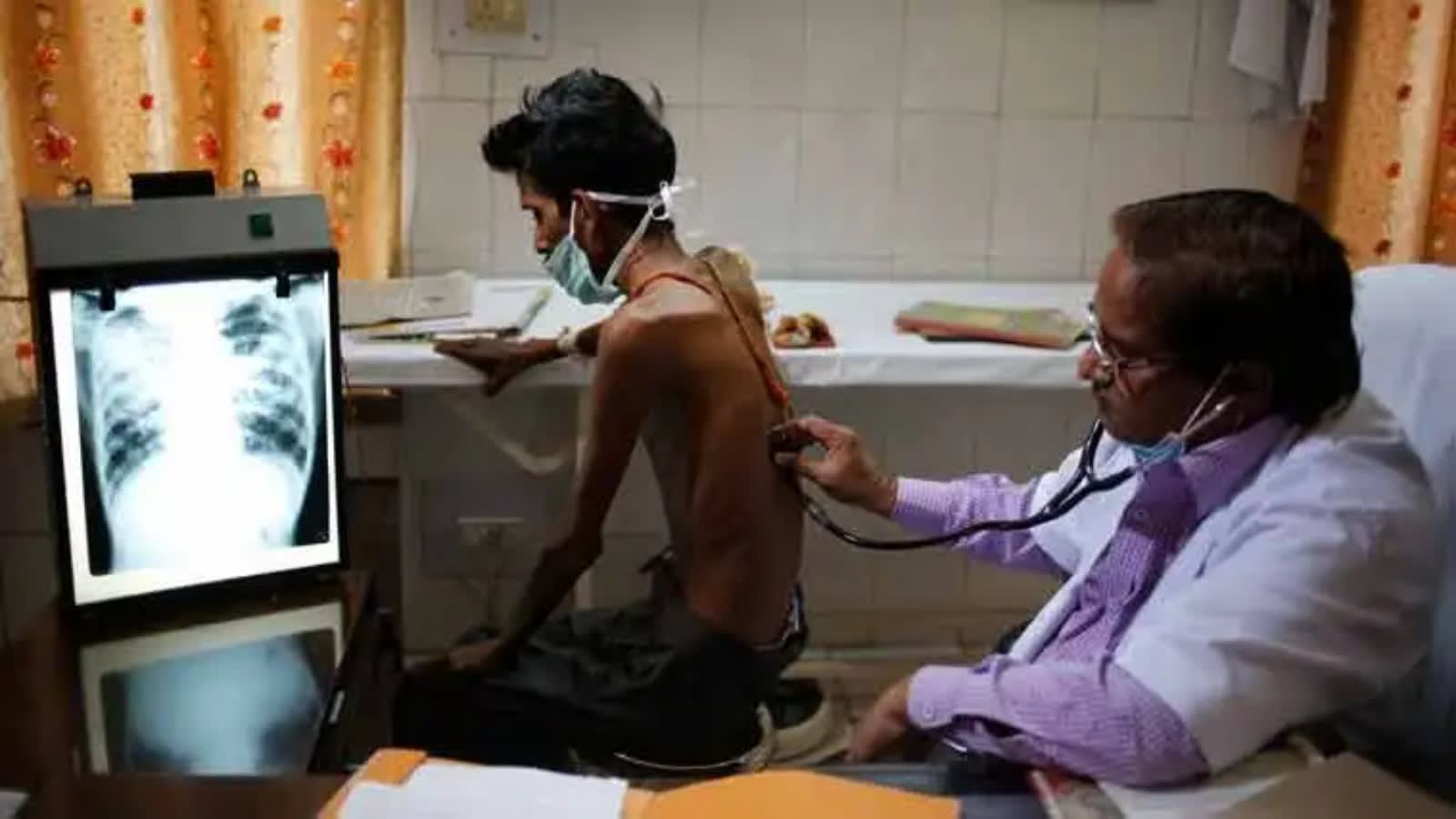
Delhi utilized less than half of its allocated tuberculosis budget in 2025, leaving nearly Rs 57 crore unspent despite reporting over 112,000 cases. This significant underutilization of the National Tuberculosis Elimination Programme funds raises urgent questions regarding administrative efficiency and patient support delivery.
The Crisis of Unspent Funds in Delhi's TB Eradication Efforts
Recent data from the Directorate General of Health Services (DGHS) for 2025-26 has revealed a concerning trend in public health governance: Delhi utilized only 47.4% of its allocated budget under the National Tuberculosis Elimination Programme (NTEP). Out of a sanctioned budget of Rs 108.27 crore, a staggering Rs 56.95 crore remained unspent. This fiscal shortfall occurred against the backdrop of 112,977 notified tuberculosis cases in the capital, highlighting a disconnect between the scale of the epidemic and the execution of public health interventions.
Analyzing the Expenditure Gap
The underutilization of nearly 53% of the allocated funds points toward systemic bottlenecks in the implementation of the NTEP. While public health funding is often criticized for being insufficient, this scenario suggests that the issue in Delhi is not merely one of scarcity, but of administrative absorption capacity. When funds designated for life-saving medication, diagnostic infrastructure, and patient support are left idle, the direct consequence is a slowing of the momentum required to meet national targets for tuberculosis elimination.
The Role of Direct Benefit Transfers (DBT)
A critical component of the NTEP framework is the Direct Benefit Transfer (DBT) mechanism, designed to provide financial nutritional support to patients. Ministry of Health officials have indicated that a significant portion of the budget is earmarked for these transfers. The underutilization may reflect difficulties in identifying beneficiaries, issues with bank account integration, or delays in the notification of cases that trigger these payments. If the DBT system—the backbone of patient retention—is underperforming, it risks increasing the dropout rate among TB patients, which in turn fuels the development of drug-resistant strains.
Broader Implications for Public Health
Tuberculosis remains a formidable public health challenge in urban environments like Delhi, where high population density and migration patterns complicate disease tracking and treatment adherence. The inability to deploy the full financial resources allocated by the government undermines the 'End TB' strategy. Without efficient fund utilization, the state health machinery struggles to scale up active case-finding operations and ensure that the diagnostic net is wide enough to capture all active infections.
Future Trends and Necessary Reforms
To reverse this trend, administrative reforms must focus on streamlining the procurement process and simplifying the procedural requirements for DBT disbursement. Future policy efforts should prioritize the integration of digital health records to ensure that financial aid reaches the patient immediately upon diagnosis. Moving forward, the Delhi State Health Mission (DSHS) will need to conduct a forensic audit of its expenditure heads to identify exactly where the fiscal bottlenecks exist. Unless these funds are mobilized effectively, the goal of eliminating tuberculosis will remain an elusive target, regardless of the annual budget allocations.