‘Cautiously optimistic’: Delhi tracks shift after 18 months of rocky ties
Source Entity
Shubhajit Roy
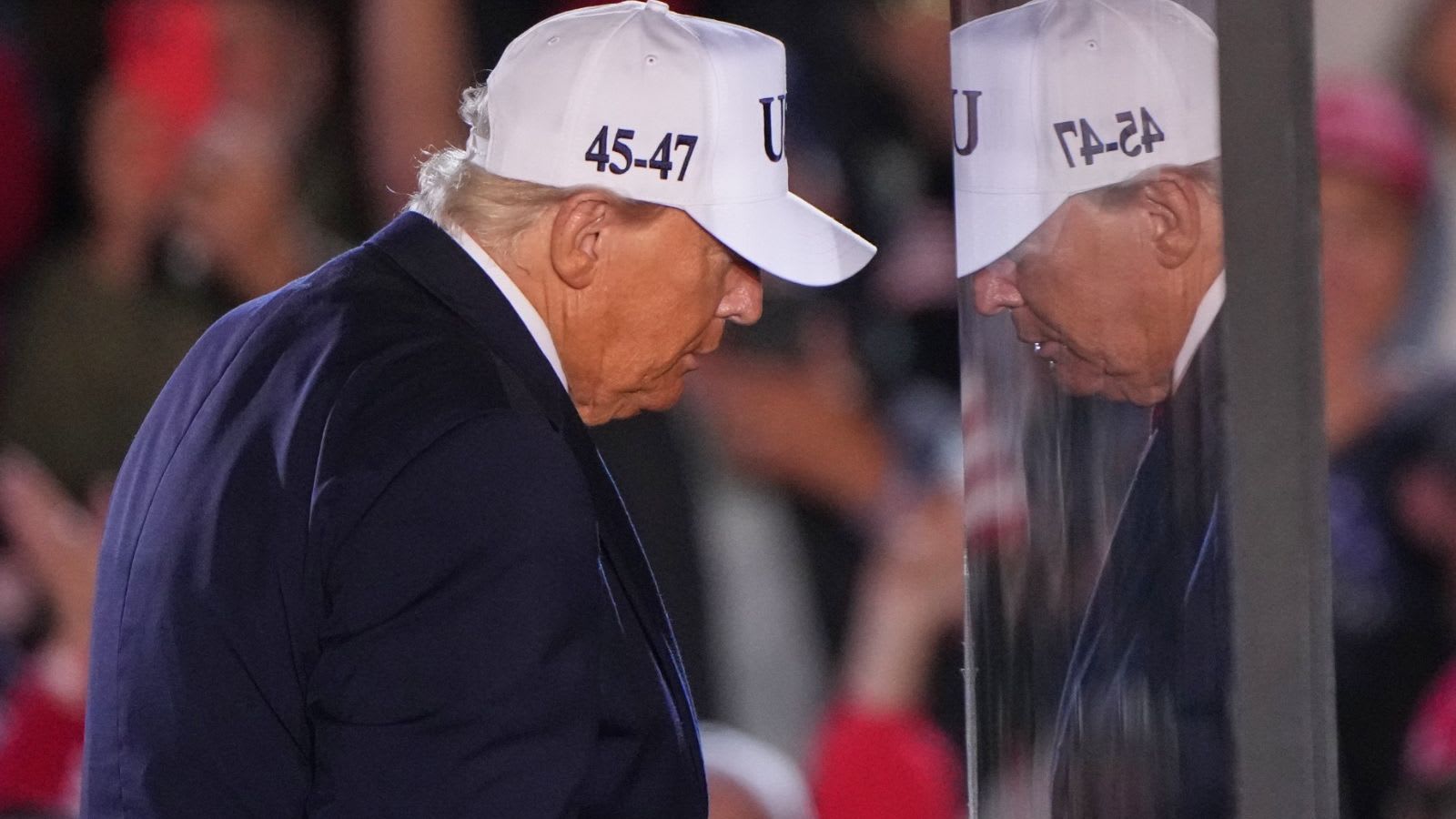
Delhi officials express cautious optimism following U.S. midterm results that handed control of Congress to Democrats. This shift is expected to provide critical oversight to President Trump's foreign policy after 18 months of volatile bilateral relations.
A Shift in the Diplomatic Landscape
The recent shift in the United States Congress, where Democrats have secured control of both the Senate and the House of Representatives, marks a pivotal moment for Indian foreign policy. For the past eighteen months, New Delhi has navigated a turbulent diplomatic environment characterized by the unpredictable nature of President Donald Trump’s administration. This transition of legislative power is being viewed by officials in South Block as a necessary mechanism to establish guardrails against the executive branch's previously unchecked influence on foreign affairs.
The Challenge of Unpredictability
The unpredictability of the current U.S. administration became particularly acute following the events of May 2025. During this period, President Trump claimed to have brokered a ceasefire between India and Pakistan following a flare-up in hostilities. For India, which has historically maintained a policy of bilateral resolution regarding its neighbor without third-party intervention, this claim represented a significant disruption in diplomatic protocol. These executive whims and diktats have contributed to a roller-coaster experience for Indian policymakers, who thrive on stability and strategic predictability.
Economic Pressures and Trade Tensions
Beyond geopolitical posturing, the bilateral relationship has been strained by aggressive economic policies. The threat of 50 percent tariffs has loomed large over the economic dialogue between the two nations, creating uncertainty for Indian exporters and industries. The legislative shift in Washington now offers a potential avenue for more structured trade negotiations, as the Democratic-controlled Congress is expected to assert its constitutional authority over trade agreements and tariff implementation, potentially tempering the administration's more protectionist impulses.
Strengthening Institutional Guardrails
The "cautiously optimistic" stance adopted by Delhi officials reflects a broader institutional relief. In international relations, predictability is often synonymous with security. By placing legislative oversight on the President’s powers, the U.S. political system is signaling a return to more traditional checks and balances. For India, this means that future diplomatic engagements are more likely to be conducted through established channels rather than through sudden executive pronouncements or social media-driven policy shifts.
Future Trends and Strategic Outlook
Looking ahead, the next phase of India-U.S. relations will likely be defined by a move toward institutional stabilization. While the core strategic interests—such as counter-terrorism, defense cooperation, and the Indo-Pacific partnership—remain intact, the method of engagement will likely become more methodical. New Delhi will be closely monitoring how the new Congressional majority exercises its oversight to determine whether the turbulence of the last eighteen months can be fully mitigated, ensuring that the partnership remains resilient against the volatility of individual political agendas.