What about our livelihood, ask Delhi traders as protests disrupt festive sales
Source Entity
NEHA MISHRA
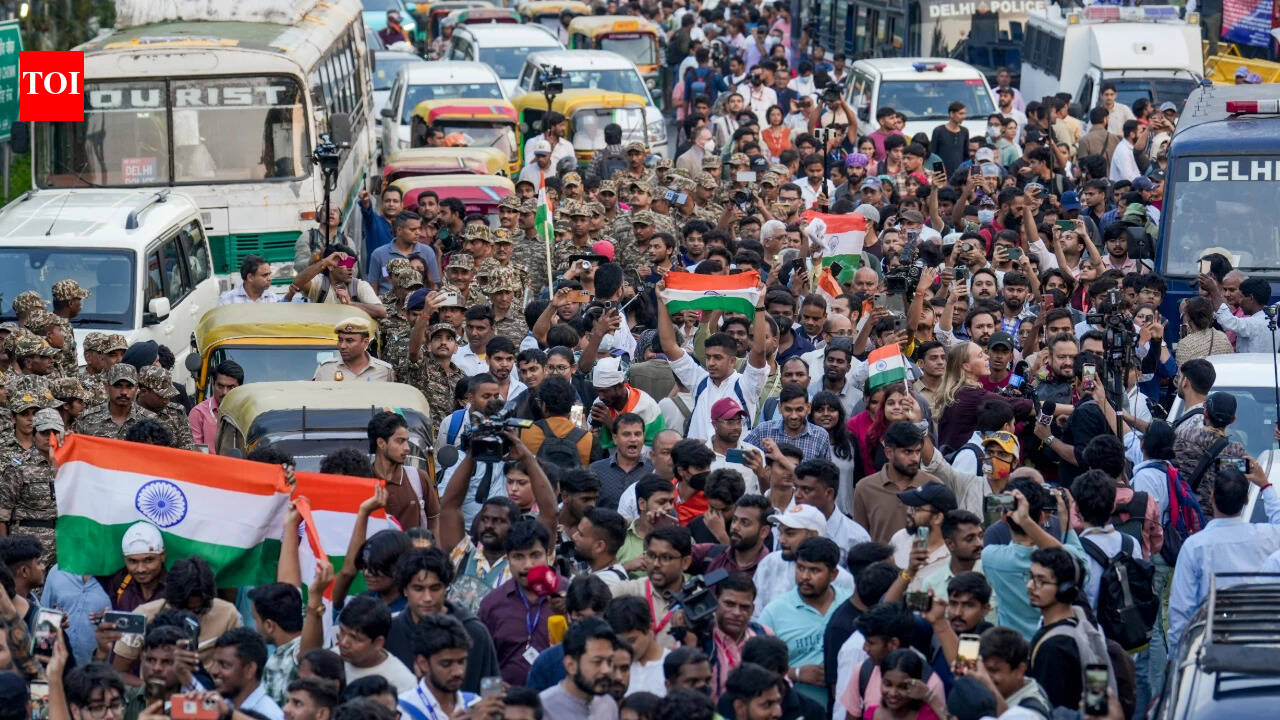
Delhi traders are facing significant financial losses as frequent protests disrupt business during the peak festive shopping season. Market associations in key areas like Connaught Place and Khan Market have voiced concerns over the impact on their livelihoods.
Economic Impact of Protests on Delhi's Festive Retail
The festive season serves as the primary revenue generator for Delhi’s retail sector, yet this year, traders in prominent hubs such as Connaught Place (CP), Khan Market, and Old Delhi are reporting significant distress. The recurring nature of protests in central Delhi has created a volatile environment that discourages footfall, directly threatening the financial stability of thousands of shopkeepers who rely on this period to offset leaner months.
The Anatomy of Revenue Loss
For retailers, the festive window is characterized by high inventory turnover and extended operational hours. When protests erupt, security cordons, road closures, and the general atmosphere of instability keep potential customers away. Traders have highlighted that even if markets remain open, the logistical challenges—ranging from restricted vehicle access to public safety concerns—effectively neutralize the consumer demand that typically peaks during festivals like Diwali.
Strategic Importance of Affected Hubs
Connaught Place and Khan Market are not merely commercial centers; they are the premium retail anchors of the national capital. By targeting central Delhi for demonstrations, protesters often unintentionally paralyze the city's most high-value economic zones. The resulting resentment from the trading community stems from the perception that their right to conduct business is being sidelined by the logistical disruptions caused by civil unrest.
Historical Context and Urban Management
Delhi has long struggled with balancing the democratic right to protest with the functional requirements of a bustling metropolis. Historically, central hubs have been the preferred site for demonstrators due to their proximity to power centers, but the modern retail economy is increasingly sensitive to such interruptions. The current situation underscores a growing friction between public expression and the city's commercial health, raising questions about whether designated protest zones should be strictly enforced to protect local livelihoods.
Future Trends and Mitigation
Moving forward, the conflict between sustained protest activity and urban commerce will likely demand a more nuanced policy response from municipal and police authorities. If the trend of disruptive protests during peak seasons continues, we may see a shift in consumer behavior, with shoppers increasingly opting for e-commerce or suburban malls to avoid the unpredictability of central markets. To prevent long-term erosion of these historic markets, city planners may need to implement better crowd management strategies that allow for both peaceful assembly and uninterrupted economic activity.
Conclusion
The concerns raised by Delhi’s traders reflect a broader struggle in urban governance. Protecting the economic vitality of these markets is essential, not only for the individual livelihoods of shopkeepers but for the overall health of Delhi’s retail ecosystem. Ensuring that the city remains accessible during critical economic windows will be a central challenge for authorities looking to balance civil liberties with commercial necessity.