Delhi Didn't Exceed Average Rainfall In A Week, Weather Body Rectifies Error
Source Entity
NDTV News Search Records Found 1000
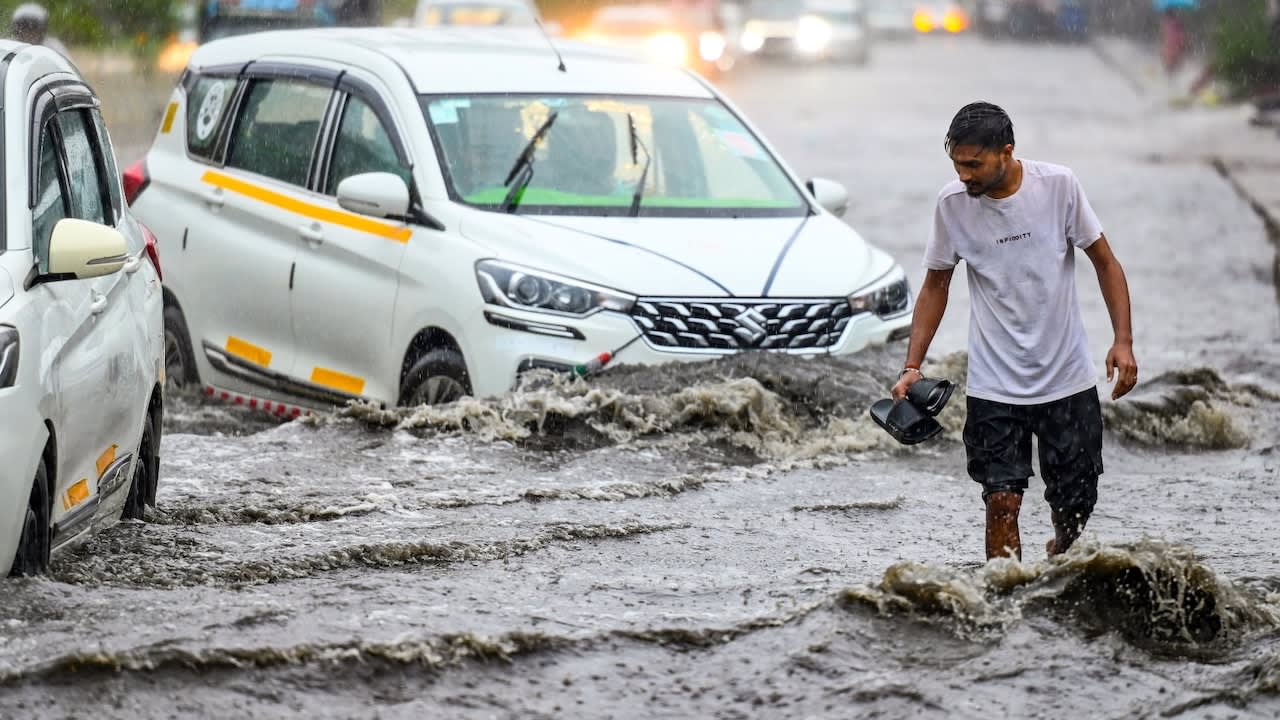
The weather authority in Delhi has officially corrected its previous error, confirming that the city did not exceed its average rainfall over the past week. This update clarifies the actual precipitation status for the national capital.
Delhi Weather Data Correction: Ensuring Meteorological Accuracy
The Correction of Rainfall Metrics
In a recent development concerning the meteorological reporting for the national capital, the relevant weather authority has issued a formal rectification regarding rainfall statistics. Initial reports suggesting that Delhi had exceeded its average rainfall for a specific one-week period have been identified as erroneous. This correction serves as a vital update for residents and policymakers who rely on accurate climate data to assess the city's monsoon progress and water management status.
Implications of Data Integrity
Precision in weather reporting is not merely a matter of record-keeping; it is a fundamental requirement for the effective governance of a sprawling urban center like Delhi. When meteorological bodies miscalculate rainfall, it can lead to skewed perceptions regarding drought conditions, flood risks, and the overall health of the city's water reservoirs. By rectifying this error, the weather department reinforces the importance of data integrity in public communication.
Contextualizing Meteorological Reporting
Delhi’s climate is characterized by significant seasonal variance, particularly during the monsoon season when rainfall patterns can be erratic and highly localized. Because the city relies on a network of sensors to track precipitation, technical glitches or human error in data aggregation can occasionally lead to inconsistencies. This incident highlights the challenges faced by weather agencies in maintaining real-time accuracy while managing vast streams of atmospheric data.
Impact on Policy and Public Planning
For a city that frequently deals with both water scarcity and urban flooding, accurate rainfall data is a primary driver for municipal planning. Misinformation—even if unintentional—can lead to unnecessary public panic or, conversely, a dangerous sense of complacency regarding water conservation. The department's decision to clarify the situation underscores a commitment to transparency, ensuring that citizens have a clear and factual understanding of the local climate conditions.
Moving Toward Enhanced Reporting Standards
As climate change continues to make weather patterns more unpredictable, the role of reliable meteorological forecasting becomes increasingly critical. This incident serves as a reminder of the need for robust verification protocols within weather monitoring systems. Moving forward, the implementation of more sophisticated, automated data validation processes will be essential to prevent similar reporting errors and ensure that the public receives the most accurate information possible.
Conclusion
The swift rectification of the rainfall data by the weather body is a positive step toward maintaining institutional credibility. By acknowledging the error and providing the correct context, the authority has restored clarity to the narrative surrounding Delhi’s recent weather performance. Moving forward, consistent and verified reporting will remain the cornerstone of effective urban climate monitoring.
Verification Required?