‘No curfews, fix the streets instead’: Delhi students spotlight safety outside campus
Source Entity
India Latest News: Top National Headlines Today & Breaking News | The Hindu
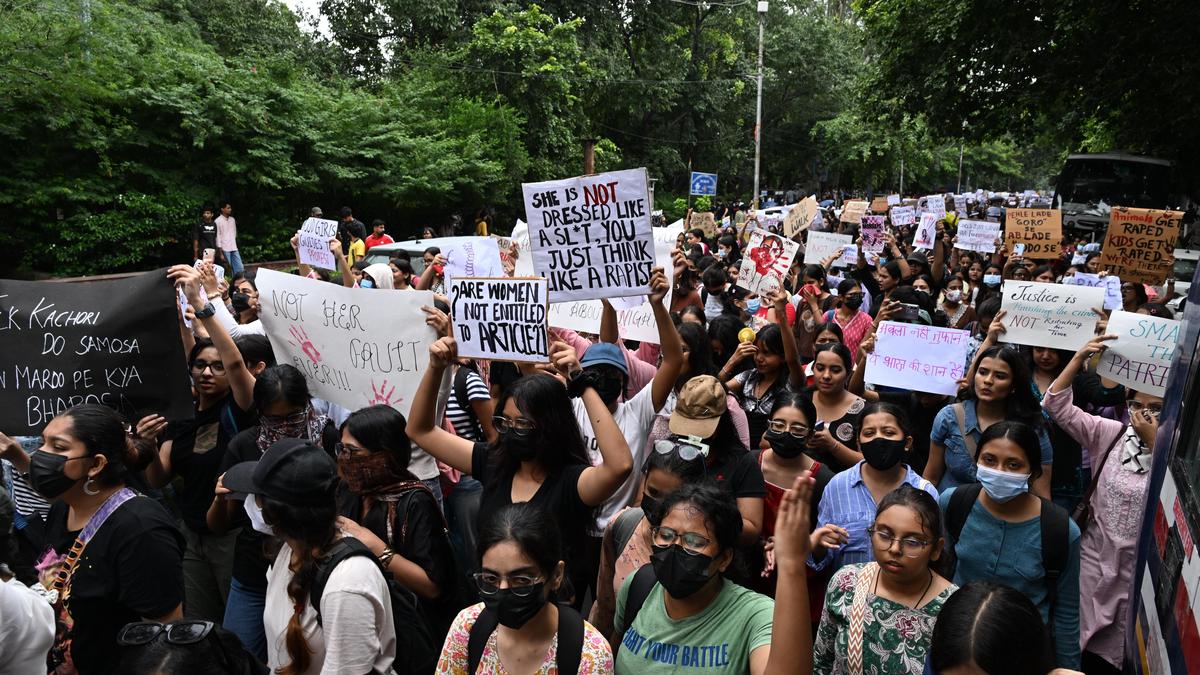
Delhi students and citizens are staging protests and midnight walks to demand urban safety following a recent gang rape in Aastha Kunj Park. These movements seek to reclaim public spaces and challenge the culture of fear that restricts women's mobility in the capital.
The Quest for Urban Safety: Reclaiming Delhi's Public Spaces
Recent events in Delhi have sparked a renewed wave of civic activism, as students and local citizens mobilize against the pervasive threat of gender-based violence. Following the tragic gang rape of a 17-year-old girl at Aastha Kunj Park, the city has witnessed a series of solidarity marches and grassroots initiatives aimed at demanding structural changes to urban safety. The protests, particularly those led by students at the University of Delhi and Lady Shri Ram College, highlight a growing frustration with the status quo, where women are forced to curate their daily lives around the fear of harassment.
Beyond the Campus Perimeter
For many students, the demand for safety extends far beyond the protected boundaries of their academic institutions. The discourse has shifted from institutional oversight to the broader urban landscape, encompassing metro stations, public parks, and transit routes. Students have articulated that their freedom is currently curtailed by the necessity of traveling in groups, avoiding specific roads after dark, and curtailing their professional and academic schedules. By labeling these constraints as a denial of "Azaadi" (freedom), protesters are framing urban safety not as a privilege, but as a fundamental right of citizenship.
The Role of Visibility in Protest
In response to the climate of fear, initiatives like 'Women Walk at Midnight' have gained renewed momentum. By organizing groups of women to walk through neighborhoods like Vasant Kunj late at night, these activists aim to normalize the presence of women in public spaces after dark. This strategy of radical visibility serves as a psychological counter-narrative to the culture of victim-blaming, asserting that the streets belong to everyone, regardless of the time of day.
Historical Context and Sustained Activism
It is essential to recognize that this current wave of activism is deeply rooted in the history of Delhi's protest culture, specifically following the landmark 2012 gang rape case. The 'Women Walk at Midnight' initiative, which began in 2016, was born out of the necessity to maintain the visibility that surged during earlier periods of national outcry. The continuity of these movements underscores a recurring cycle: a horrific incident occurs, leading to public outrage, followed by a sustained effort by civil society to force systemic change.
Structural Demands vs. Institutional Curfews
A critical tension has emerged between the demands of the youth and the traditional administrative responses to safety. While institutions often rely on curfews or restrictive mobility measures to manage risk, students are explicitly rejecting these approaches. Their mantra—"No curfews, fix the streets instead"—represents a sophisticated policy demand. It shifts the burden of responsibility from the individual woman to the state and municipal authorities, who are tasked with infrastructure improvements such as better lighting, increased police presence, and improved urban planning.
Future Trends and Implications
Looking forward, the persistence of these protests suggests that the conversation regarding urban safety in India is entering a more mature phase. Rather than focusing solely on punitive measures for offenders, the discourse is increasingly encompassing the 'Right to the City.' Future trends will likely see a greater emphasis on data-driven urban planning, where the lived experiences of women are integrated into municipal safety audits. As long as the fear of violence remains a deterrent to women's participation in the public sphere, these grassroots movements will continue to serve as a vital pressure valve and a catalyst for long-term policy evolution in the capital.
Verification Required?