Dental student killed, friend injured after car overturns on ORR
Source Entity
India Latest News: Top National Headlines Today & Breaking News | The Hindu
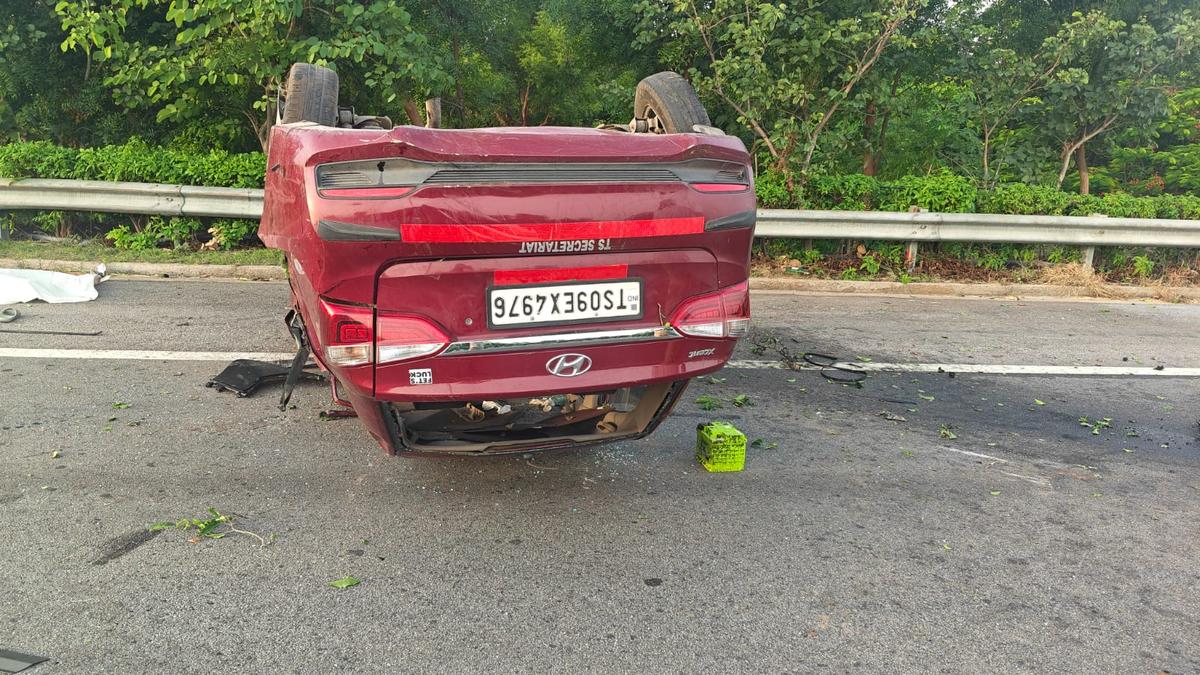
A 21-year-old dental student was killed and her friend seriously injured after their vehicle hit a median and overturned on the Outer Ring Road (ORR).
Tragedy on the Outer Ring Road: A Detailed Analysis of a Fatal Collision
Across urban landscapes, the Outer Ring Road (ORR) is typically designed as a high-speed corridor to divert transit traffic away from city centers. However, these roads often become sites of high-intensity accidents due to the velocity at which vehicles travel. The recent tragedy involving a 21-year-old dental student, who lost her life after her vehicle overturned, highlights the precarious balance between infrastructure efficiency and road safety. The incident, which also left a friend seriously injured, serves as a grim reminder of how a momentary loss of control can lead to catastrophic outcomes on high-speed expressways.
Mechanics of the Accident
The sequence of events suggests a classic loss-of-control scenario. According to the reports, the driver hit the median, which acted as a pivot point, causing the vehicle to overturn. In automotive safety, hitting a median at high speeds often results in a 'trip-over' effect, where the lateral force exceeds the vehicle's stability threshold, leading to a rollover. Rollovers are among the most lethal types of car accidents because they often compromise the structural integrity of the roof and increase the likelihood of occupants being ejected or crushed, which likely contributed to the fatality of the young student.
Infrastructure and the ORR Paradox
Outer Ring Roads are engineered for seamless connectivity, but they often suffer from a paradox: the smoother the road, the higher the tendency for drivers to exceed speed limits or experience 'highway hypnosis.' When drivers maintain a constant high speed for long durations, their reaction times can slow down. In this specific case, the impact with the median suggests either a sudden steering correction or a lapse in attention. This underscores the need for more robust safety barriers and 'forgiving' roadside infrastructure—such as crash cushions—that can absorb impact energy rather than causing a vehicle to flip.
Demographic Vulnerability and Road Safety
The victim being a 21-year-old student points to a broader trend regarding young drivers. Statistics frequently show that individuals in their early twenties are more prone to high-risk driving behaviors, whether due to inexperience or the distractions common to that age group. For students in demanding fields like dentistry, the stress of academic rigor combined with long commutes can lead to fatigue, further impairing cognitive function and motor skills behind the wheel. This event highlights the urgent need for targeted road safety awareness campaigns within educational institutions.
Societal and Professional Loss
Beyond the immediate grief of the family, the death of a dental student represents a loss to the future healthcare workforce. The investment of years of rigorous study is extinguished in a matter of seconds. Such incidents often trigger a ripple effect in the academic community, prompting discussions on student wellbeing and the safety of the transit routes they utilize daily. The survival of the friend, though currently in serious condition, adds a layer of long-term psychological trauma and physical rehabilitation to the aftermath of the crash.
Predicting Future Safety Trends
Moving forward, this incident is likely to fuel calls for stricter speed enforcement on the ORR, including the implementation of more average-speed camera systems rather than just spot-speed traps. We can expect a push toward 'Smart Highway' technology, where integrated sensors can warn drivers of sudden hazards or erratic driving patterns in real-time. Furthermore, there will likely be an increased emphasis on vehicle safety ratings, specifically focusing on roof crush resistance and side-curtain airbags to prevent fatalities during rollover accidents.
Summary of Findings
In conclusion, the fatal accident on the Outer Ring Road was a result of a loss of vehicle control leading to a high-impact rollover. The tragedy is a confluence of high-speed infrastructure risks, the vulnerability of young drivers, and the inherent dangers of median collisions. While the immediate cause was the driver's loss of control, the broader implications suggest a need for improved roadside safety engineering and a renewed focus on driver education to prevent such avoidable losses of life.
Verification Required?