Deodands put a price on objects that caused death
Source Entity
Hacker News
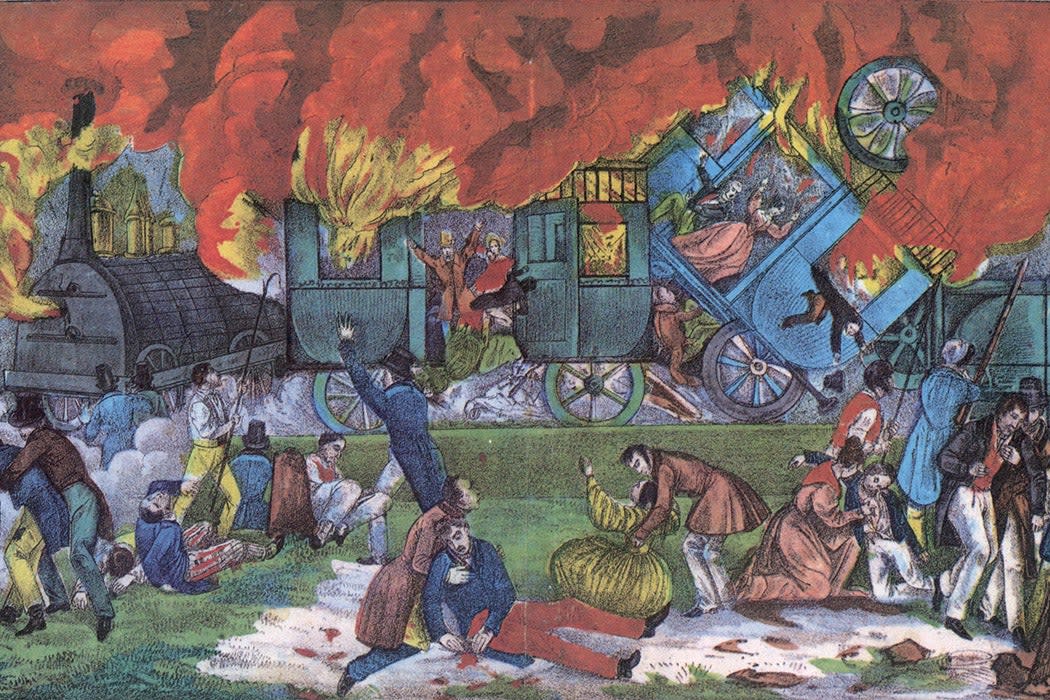
The historical legal concept of the 'deodand' required owners to forfeit the value of an object that caused a death to victims' families. This practice is exemplified by the 1829 Norfolk Arms Hotel collapse, where a jury valued the collapsed floor at only 5 shillings.
The Medieval Logic of Deodands
The concept of the 'deodand' represents a fascinating, albeit macabre, intersection of medieval theology and early common law. Originating from the Latin Deo dandum, meaning 'to be given to God,' the practice functioned on the premise that any object—whether a cart, a weapon, or a structural element—that caused the death of a human being was spiritually tainted. Consequently, the object was forfeit to the Crown or the Church to be sold for pious uses, effectively acting as an early, primitive form of strict liability or compensatory damages.
The 1829 Norfolk Arms Tragedy
In 1829, a catastrophic structural failure at the Norfolk Arms Hotel brought this archaic legal mechanism into sharp focus. When the floor collapsed during a gathering of spinners and weavers, sending dozens plummeting two stories into the cellar, thirty lives were lost. In the wake of this disaster, the legal system turned to the deodand to provide a semblance of justice. The jury, tasked with assessing the 'guilt' of the inanimate material, valued the splintered timbers of the floor at a mere 5 shillings.
Analyzing the Financial Inadequacy
While 5 shillings was a meager sum even by 19th-century standards, its application highlights the rigid, ritualistic nature of the law at the time. The deodand did not function as a modern tort system intended to provide full restitution or to act as a punitive measure against negligence. Instead, it operated as a symbolic forfeiture. The fact that the jury was operating under a legal framework eight centuries old underscores the slow evolution of industrial-era liability, where ancient concepts struggled to address the realities of mass casualties in the workplace.
Historical Context and Legal Evolution
For centuries, the deodand served as a mechanism to settle the 'blood debt' of an object. By the time of the 1829 collapse, the practice was increasingly viewed as an obscure survival—an awkward legal vestige that failed to account for the complexity of modern industrial accidents. The Norfolk Arms incident serves as a primary case study for why such laws were eventually deemed insufficient; they prioritized the status of the 'offending' object over the actual economic and human costs incurred by the victims' families.
Broader Implications and Legacy
Ultimately, the deodand reflects a period where legal systems were transitioning from religious and symbolic frameworks to secular, damage-based systems of law. The reliance on such an old concept during a Victorian-era industrial disaster illustrates the friction between traditional jurisprudence and the burgeoning need for modern labor and safety laws. Today, while deodands are long abolished, their history remains a critical touchstone for understanding how society has evolved to handle corporate and owner responsibility in the face of tragedy.