Dharani transactions under fast-track scrutiny, illegal land transfers won’t be spared: Ponguleti
Source Entity
India Latest News: Top National Headlines Today & Breaking News | The Hindu
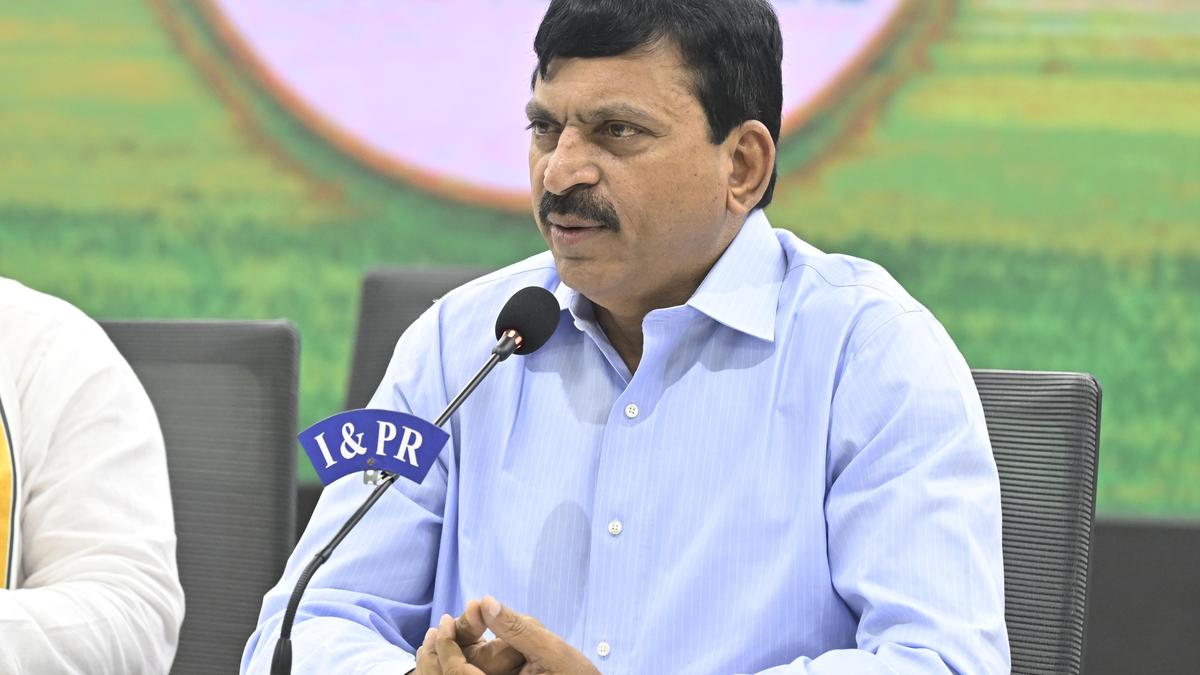
Revenue Minister Ponguleti Srinivasa Reddy has announced a fast-track probe into land irregularities occurring under the previous BRS government's Dharani portal. The state plans to implement a new comprehensive policy for assigned lands to rectify unauthorized transfers.
Scrutinizing Land Governance: The Dharani Portal Investigation
Revenue Minister Ponguleti Srinivasa Reddy has signaled a significant shift in land administration policy by announcing a fast-track investigation into transactions processed under the previous Bharat Rashtra Samithi (BRS) government’s Dharani portal. The state government is now auditing records that have been migrated to the Bhu Bharati system to identify and rectify systemic flaws that allegedly enabled the illegal mutation and unauthorized transfer of government-owned land.
Uncovering Systemic Irregularities
According to Minister Reddy, the investigation is centered on the misuse of the Dharani portal, which was initially introduced as a centralized land management system. Allegations suggest that the platform was exploited to facilitate large-scale irregularities during the previous administration's tenure. By scrutinizing these past transactions, the current government aims to restore institutional integrity and recover public lands that may have been diverted through illicit procedural maneuvers.
The Shift to Bhu Bharati and Administrative Oversight
The transition from the Dharani portal to the Bhu Bharati system serves as the primary mechanism for this audit. By migrating the data, the government is creating a digital trail that allows for more rigorous verification of land titles and mutation records. This process is not merely a bureaucratic task but a political initiative to demonstrate accountability and transparency in the management of state resources, which have historically been susceptible to corruption.
Policy Reform: The Future of Assigned Lands
Beyond the forensic audit of past transactions, the Minister announced the imminent unveiling of a comprehensive policy regarding assigned lands. Assigned lands—plots distributed by the government to landless poor—have long been a complex issue in land reform, often subject to disputes regarding alienation and ownership rights. A new policy framework is expected to clarify these ambiguities, ensuring that the intended beneficiaries are protected while closing loopholes that developers or unauthorized entities may have exploited.
Broader Implications for State Governance
The move to investigate these land dealings underscores a broader effort by the current administration to audit the legacy of the BRS government. Land administration remains one of the most sensitive and consequential areas of state governance, directly impacting the livelihoods of citizens and the valuation of public assets. By prioritizing this investigation, the state government is positioning itself as a corrective force aiming to modernize land records and prevent future administrative malpractice.
Conclusion: Restoring Public Trust
Ultimately, the success of this fast-track scrutiny will hinge on the government’s ability to substantiate these allegations and implement systemic safeguards that prevent future recurrences. As the administration moves forward with its new policy for assigned lands, the focus will remain on balancing administrative efficiency with the necessity of protecting government assets. The outcome of this probe will likely set a significant precedent for how land disputes and historical irregularities are handled in the state moving forward.
Verification Required?