Dimagi Naxal frames the mind as enemy territory
Source Entity
Pawan Khera
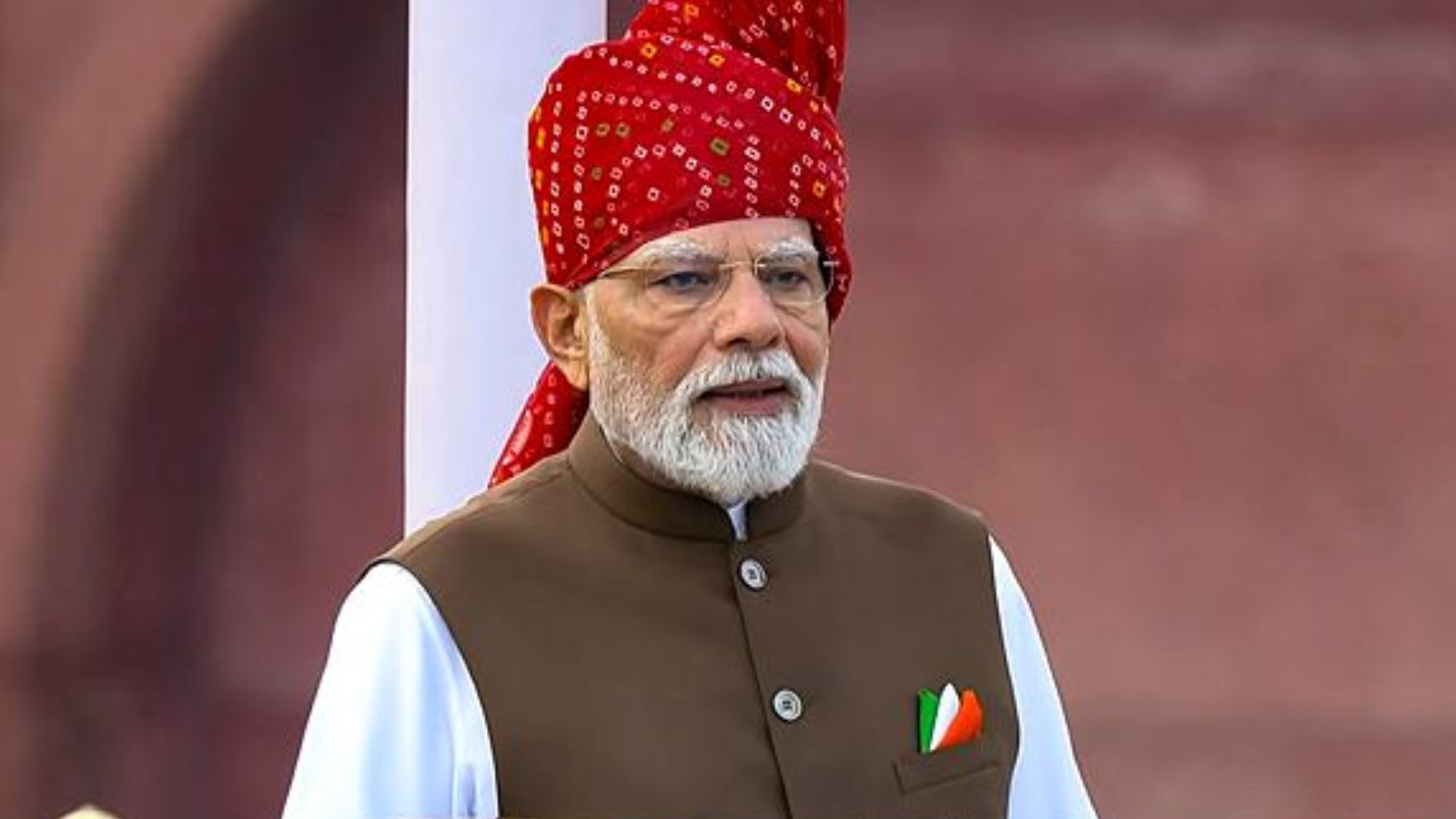
The term 'dimagi Naxal' marks a significant shift in political rhetoric, moving the concept of insurgency from armed forest-based movements to intellectual dissent. This framing redefines democratic questioning as a form of ideological subversion.
The Evolution of Political Rhetoric in India
The phrase "dimagi Naxal" (intellectual Naxal) represents a profound shift in the Indian political lexicon. Historically, Naxalism referred to a violent, armed insurgency rooted in the 1967 Naxalbari uprising, where groups challenged the Indian state through tactical guerrilla warfare. By transitioning the term from its origins in forest-based militancy to the sphere of intellectual discourse, contemporary political actors are fundamentally altering the parameters of what constitutes a threat to the state.
Relocating the Battlefield
The Prime Minister’s use of the term suggests a strategic relocation of the "enemy" from remote jungles to the heart of democratic institutions. This shift implies that the state now perceives the primary challenge not in physical combat, but in the realm of ideological influence. By labeling critics as "dimagi Naxals," the discourse effectively frames the act of questioning government policy as an act of subversion rather than a democratic right.
The Intellectual as the New Adversary
As articulated by BJP MP Brij Lal, the definition of this new "Naxal" encompasses professors, writers, poets, and activists. This expansion of the target demographic suggests that the primary trait of a modern adversary is no longer the possession of a weapon, but the articulation of an "uncomfortable question." This marks a departure from traditional counter-insurgency, where the state countered violence with force, to a culture war where the state counters intellectual output with labels.
Implications for Democratic Discourse
This rhetorical shift poses significant risks to the health of public debate. When intellectual inquiry is equated with violent insurgency, it creates a chilling effect on academic and social dialogue. By framing the "dimagi Naxal" as a threat, the state risks delegitimizing the role of civil society, which serves as a necessary check and balance in any functioning democracy. The binary categorization of citizens into "andhbhakt" (blind devotee) or "Naxal" leaves little room for middle-ground, nuanced debate.
Predicting Future Trends
Moving forward, we can expect this language to further polarize the public sphere. As the definition of an "enemy" becomes increasingly elastic, the capacity for constructive disagreement will likely diminish. This trend suggests that future political narratives will continue to prioritize ideological purity over consensus-building, as the state seeks to consolidate its influence by marginalizing institutional dissenters through linguistic framing rather than purely legislative or judicial means.
Conclusion
The emergence of the "dimagi Naxal" narrative highlights a transition where the mind is treated as enemy territory. By detaching the term from its historical context of armed revolution and applying it to intellectuals and activists, the political discourse in India is undergoing a transformative, albeit divisive, evolution that fundamentally challenges the traditional boundaries of political opposition.