Disk encryption on NetBSD – achieving secrecy
Source Entity
Hacker News
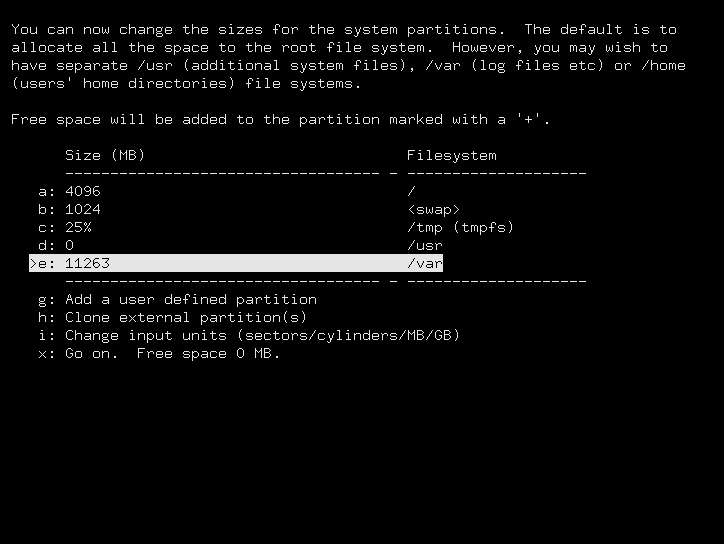
This guide outlines the technical process for implementing disk encryption on NetBSD systems. It provides specific instructions for handling legacy disklabel partitions versus modern GPT disk wedges.
Achieving Data Secrecy: Disk Encryption on NetBSD
Data security is a foundational requirement for modern operating systems, and NetBSD provides robust mechanisms to ensure information privacy through disk encryption. The core of this process involves the Cryptographic Disk Driver (CGD), which allows users to encrypt entire disk partitions. This approach ensures that even in the event of physical drive theft or unauthorized hardware access, the underlying data remains inaccessible without the correct cryptographic keys.
Navigating Partitioning Schemes: Disklabels vs. Wedges
A critical aspect of implementing encryption on NetBSD is understanding the storage architecture of the specific hardware platform. NetBSD supports two primary partitioning methods: traditional Disklabel partitions and modern GPT disk wedges. The distinction is vital because the configuration commands differ significantly based on which scheme the system employs. While legacy architectures like sparc64 rely heavily on disklabels, contemporary systems utilizing UEFI or GPT partitions must utilize disk wedges to manage encrypted volumes effectively.
Identifying Target Partitions
For administrators working on systems that utilize disklabels, such as the sparc64 example, the first step is identifying the correct partition for encryption. Using the disklabel command allows users to inspect the partition table of a drive—such as wd0—to locate the specific partition designated for the encrypted file system. In the provided example, the partition /dev/wd0d is identified as the target, characterized by the cgd fstype, which distinguishes it from other partitions like swap or standard BSD file systems.
The Importance of Infrastructure Compatibility
Choosing the right encryption path is not merely a matter of preference but a requirement dictated by the hardware's boot environment. Systems that have been installed using GPT partitions move away from the traditional disklabel structure. Ignoring the specific requirements of your system's partition table will lead to configuration failures. Therefore, users must verify their partition structure via the installer settings or command-line diagnostics before attempting to initialize the cryptographic driver.
Broader Implications for System Security
Implementing encryption at the disk level provides a comprehensive security layer that protects sensitive data at rest. By integrating encryption directly into the NetBSD kernel via the CGD, the system ensures that security policies are enforced at a low level, minimizing the attack surface. As cyber threats continue to evolve, the ability to harden specific partitions using built-in, open-source cryptographic tools remains an essential skill for system administrators and privacy-conscious users.
Future Trends and Conclusion
As hardware architectures continue to shift toward UEFI and GPT-based standards, the transition away from legacy disklabels is inevitable. NetBSD’s continued support for both methods demonstrates its commitment to flexibility across diverse hardware ecosystems. Moving forward, the refinement of disk encryption workflows will likely focus on simplifying the integration of these tools during the initial OS installation, ensuring that data secrecy is accessible to a broader range of users without compromising the granular control that defines the NetBSD experience.