What makes Hinduism in Bengal distinctive? A history of Shaktism, Tantra and Bhakti
Source Entity
Adrija Roychowdhury
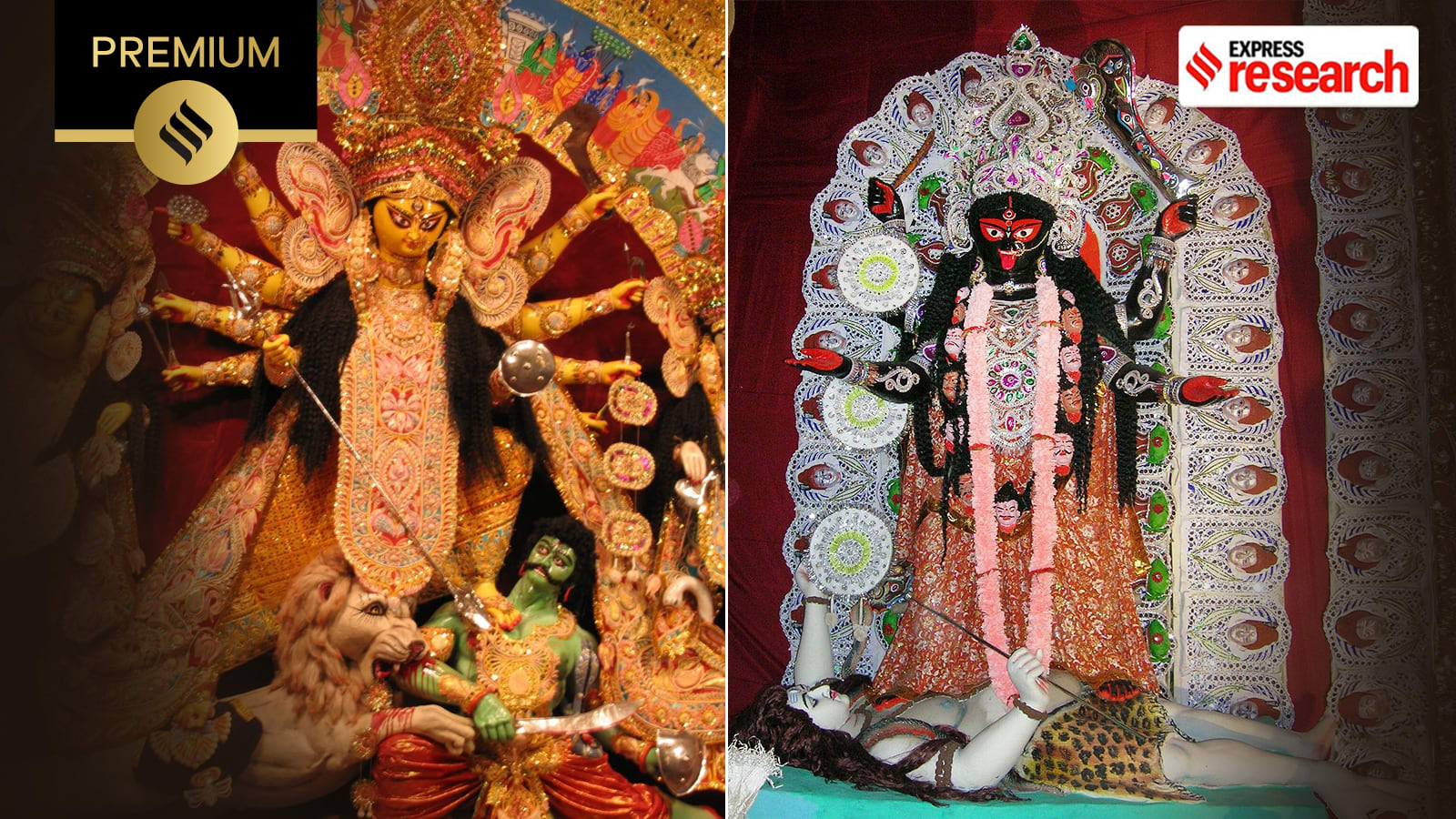
The distinct nature of Hinduism in Bengal is rooted in the historical integration of Shaktism, Tantra, and Bhakti traditions. Modern controversies regarding Durga Puja practices highlight the ongoing friction between these regional cultural expressions and broader, often more restrictive, religious interpretations.
The Roots of Bengali Hindu Identity
The cultural landscape of Bengal offers a unique tapestry of religious expression that often diverges from mainstream pan-Indian Hindu practices. At the center of this distinction is the historical prominence of Shaktism, a tradition focused on the worship of the Divine Feminine. Unlike more ascetic or restrictive interpretations found elsewhere, the Bengali iteration of Hinduism has been deeply shaped by the synthesis of Shaktism, Tantric rituals, and the emotional resonance of the Bhakti movement.
The Influence of Shaktism and Tantra
Shaktism in eastern India is not merely a theological framework but a lived experience that permeates the social fabric. The interaction between Tantric practices and local traditions provided a structure where the goddess is not a distant deity but a presence integrated into daily life. This history explains why certain practices, which might be viewed as unorthodox or prohibited in other Hindu traditions, remain deeply rooted and accepted as integral to the Bengali religious identity.
The Role of Gaudiya Vaishnavism
Adding to this complexity is the influence of Gaudiya Vaishnavism, which introduced a profound sense of devotion (Bhakti) that tempered and complemented the power-centered rituals of Tantra. This historical dialogue created a hybrid religious environment where the intellectual rigor of theology met the ecstatic emotionalism of the masses. It is this specific convergence that defines the "Bengali way" of worship, setting it apart from regional traditions that prioritize different deities or ritualistic codes.
Modern Controversies and Cultural Friction
Recent debates surrounding the upcoming Durga Puja—specifically regarding dietary customs like meat-eating and the implementation of new regulations on social activities like DJ music and liquor consumption—are not merely administrative disputes. They represent a collision between a traditional, localized religious culture and modern, standardized regulatory frameworks. These controversies force a reflection on whether universalized religious norms can or should be applied to regions with historically distinct customs.
Implications for Future Religious Discourse
As these debates continue, they underscore a growing tension between the preservation of regional cultural autonomy and the push for a more homogenized national religious identity. The controversy over what is "appropriate" during a festival is a microcosm of a broader struggle to define the boundaries of modern Hinduism. Future trends suggest that as Bengal navigates this period, the dialogue between state regulation and historical practice will remain a critical point of cultural contention.
Conclusion
The distinctiveness of Hinduism in Bengal is a product of centuries of unique theological evolution. By understanding the historical significance of Shaktism and the blending of Tantric and Bhakti traditions, one can better appreciate the depth of the current debates. These controversies are not merely about rules; they are about the endurance of a regional identity that refuses to be fully subsumed by external, standardized religious paradigms.