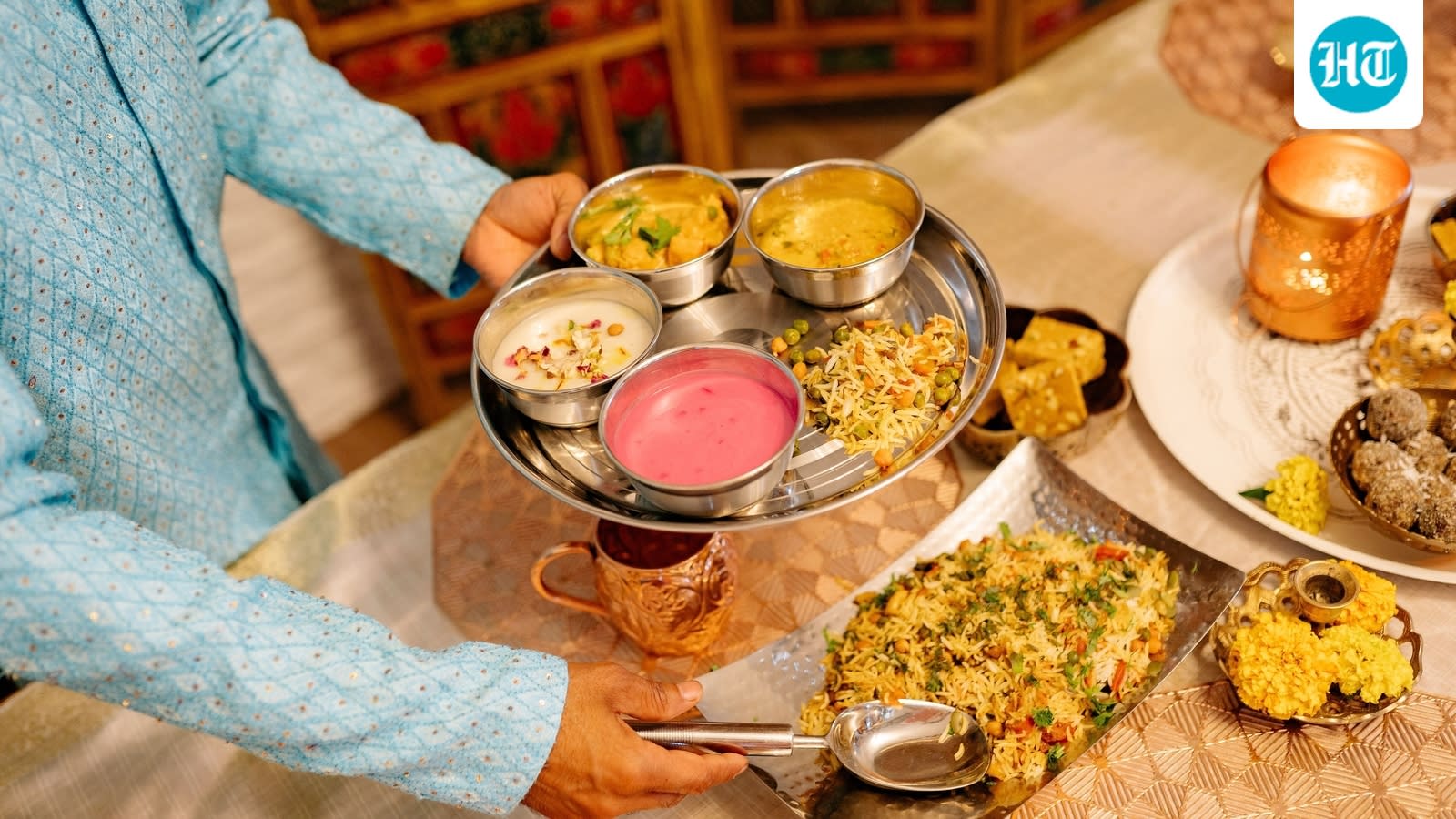
From family recipes to regional delicacies: Here are a few ways to make your Diwali menu more traditional
Source Entity
Latest News: Todays Latest News Headlines from India & World | Hindustan Times
Diwali confectionery is undergoing a major evolution as brands introduce fusion flavors like Biscoff burfi and coffee milk cake to attract younger consumers. This shift reflects a generational divide in gifting preferences, balancing traditional nostalgia with modern culinary experimentation.
The Modern Mithai Evolution: Diwali’s Culinary Shift
This year’s Diwali celebrations highlight a significant transformation in the Indian confectionery landscape. As the festival of lights approaches, traditional sweet shops are moving beyond the standard offerings of laddoos, barfis, and kaju katlis to embrace a wave of fusion flavors. Brands are now introducing contemporary items such as coffee milk cake, Biscoff burfi, and protein-infused laddoos to appeal to the evolving palates of Gen Z and young professionals.
Generational Preferences and Market Dynamics
According to industry experts like Navjot Singh, Director of Gopal Sweets Chandigarh, the current market is defined by a distinct generational divide. While the older generation maintains a steadfast emotional connection to classic, time-honored sweets, younger consumers are actively seeking novelty. This demand has pushed brands to prioritize aesthetics and experimental flavor profiles, effectively turning Diwali gifting into a bridge between heritage and modern lifestyle trends.
Collaborative Innovation: The Case of Mysore Pak
Innovation is not limited to flavor alone; it is also reshaping consumer engagement. A notable example is the collaboration between Chennai-based brand Sweet Karam Coffee and MasterChef India (Tamil) judge Rakesh Raghunathan. By crowd-sourcing flavor ideas from the public—ranging from jackfruit and paan gulkand to more unconventional global inputs like Korean gochujang—the brand is transforming the iconic Mysore Pak into a limited-edition experience. This participatory approach democratizes the culinary process and keeps traditional sweets relevant in a globalized food market.
The Intersection of Heritage and Trend
While the push for fusion is strong, there remains a concurrent movement toward preserving traditional, authentic recipes. Lifestyle experts emphasize that for many, Diwali dinner tables are still anchored by regional delicacies and family recipes passed down through generations. This creates a dual-market environment where high-end fusion products coexist with traditional home-cooking, ensuring that the essence of the festival remains intact despite the influx of new dessert concepts.
Future Trends in Festive Confectionery
Looking ahead, we can expect this trend of 'fusion mithai' to intensify. As Gen Z gains more purchasing power, the demand for health-conscious options—such as the aforementioned protein laddoos—and international flavor pairings will likely become a staple in the festive retail calendar. The ability of sweet brands to remain 'Instagram-ready' while honoring the cultural significance of Diwali will be the deciding factor for market longevity.
Conclusion
Ultimately, the evolution of Diwali sweets reflects a broader societal shift. By blending the nostalgia of traditional mithai with the excitement of modern culinary experimentation, brands are ensuring that Diwali remains a vibrant, evolving festival. Whether through a classic piece of kaju burfi or a trendy Biscoff-infused treat, the spirit of the season continues to be defined by the joy of sharing and the celebration of cultural identity.
Verification Required?