From Diwali to Chhath Puja: How food and festivals bring India together
Source Entity
Himakshi Panwar
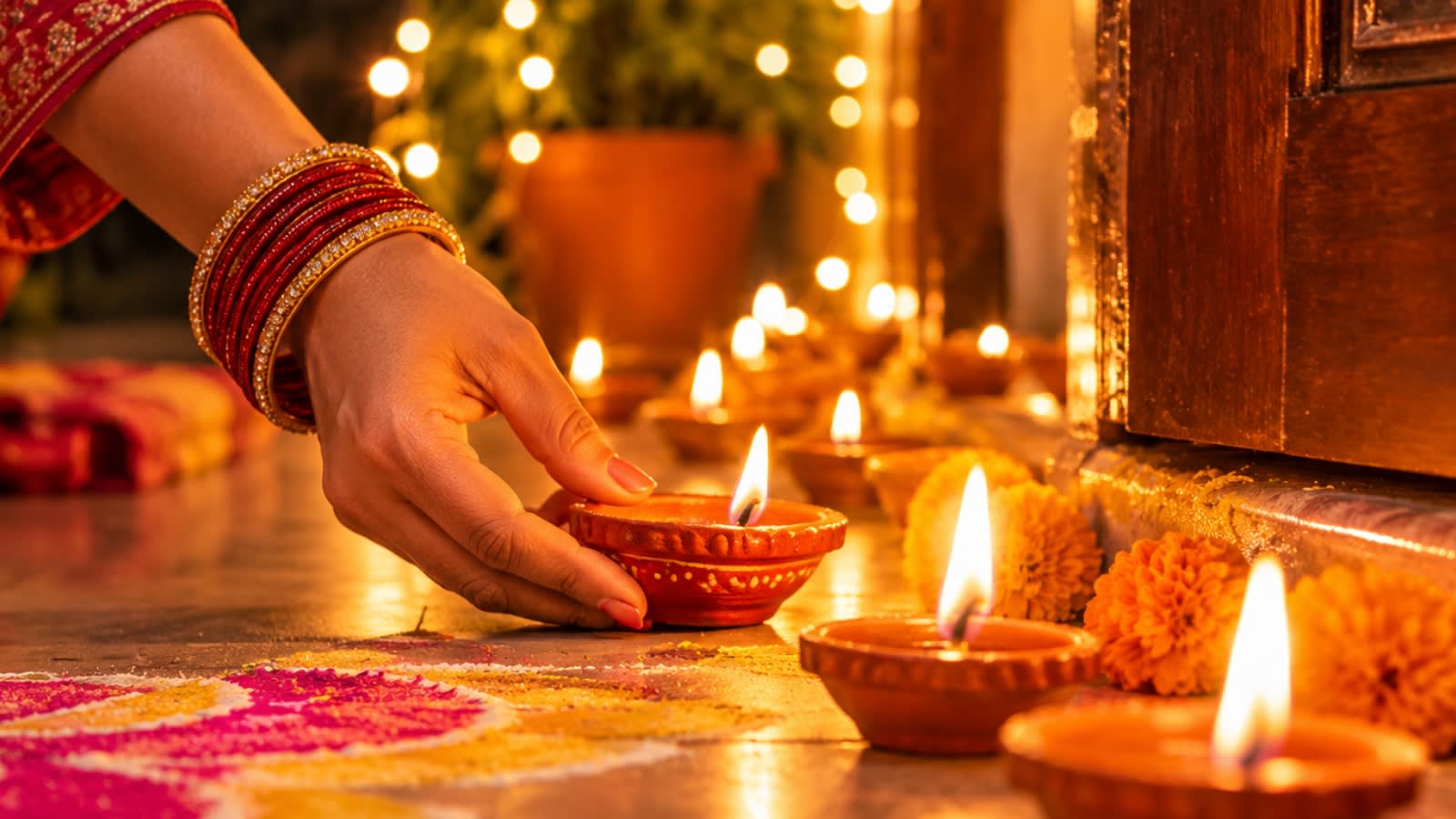
Diwali is being reimagined through the lens of cultural preservation and modern health consciousness. While historically celebrated with unique artistic contributions like Pandit Pannalal Ghosh's 'Raag Deepavali,' current trends reflect a shift toward mindful dietary habits amidst rising health concerns.
The Dual Facets of Diwali: Tradition and Transformation
Diwali, the festival of lights, has long stood as a pillar of Indian cultural identity, yet its modern observance is undergoing a significant evolution. While the festival is deeply rooted in the Rig Veda’s symbolism of the lamp as the 'supreme light of consciousness,' contemporary discourse is increasingly balancing these spiritual values with the realities of modern health and artistic legacy. This shift represents a broader movement toward reclaiming the essence of the festival, moving away from excess and toward a more intentional celebration.
Artistic Legacies and Cultural Depth
One of the most profound, yet often overlooked, aspects of the festival is its intersection with Hindustani classical music. While Holi has historically dominated the classical repertoire, the pioneering flautist Pandit Pannalal Ghosh—a disciple of the legendary Ustad Allauddin Khan—carved out a unique space for Diwali. Around 1946, Ghosh, who is credited with elevating the flute to a sophisticated classical instrument, composed the 'Raag Deepavali.' This creation serves as a rare, enduring bridge between the festival’s spiritual significance and the technical rigor of the Maihar gharana, standing as a testament to how cultural milestones have historically inspired high art.
The Health Crisis and Conscious Celebration
In stark contrast to these artistic contributions, modern Diwali is currently shadowed by the reality of India’s rising non-communicable diseases. The festival, which once centered on light and tradition, is now scrutinized for its association with environmental pollution—specifically sulphur-heavy air—and the consumption of high-sugar, high-fat foods prepared in reused oils. As the nation grapples with increasing rates of diabetes, heart disease, and metabolic deterioration, the cultural mandate to celebrate is being re-evaluated through the lens of public health and individual well-being.
Shifting Social Norms and Dietary Habits
This change is becoming visible in the private spaces of Indian households. Anecdotal evidence from social gatherings, such as those in Delhi, suggests a palpable shift in party menus. Hosts are observing that guests are becoming increasingly mindful of their intake, often arriving with full stomachs or requesting lighter fare. The transition from menus laden with deep-fried snacks and heavy comfort foods to health-conscious alternatives—often described as a 'healthy spree'—indicates a significant change in social etiquette and dietary priorities among urban populations.
The Path Toward Reclaiming the Festival
Ultimately, the modern challenge lies in reconciling these competing pressures. The goal, as suggested by health experts and cultural observers alike, is not to abandon the joyous nature of Diwali, but to reclaim its original spirit. By choosing to celebrate with an awareness of both the air we breathe and the food we consume, families are beginning to strip away the excesses that have accumulated over decades.
Conclusion: A Balanced Future
As we look toward the future, the evolution of Diwali points toward a more sustainable and conscious model. Whether through the preservation of rare classical compositions like Ghosh’s 'Raag Deepavali' or the adoption of healthier, protein-rich diets at social gatherings, the festival is finding new ways to remain relevant. By prioritizing longevity over indulgence and cultural depth over superficial excess, the celebration of the victory of light over darkness can once again align with the health and consciousness of the modern Indian citizen.
Multiple Citing Sources