At the kirana store, a quiet Diwali
Source Entity
Trishna Sarkar
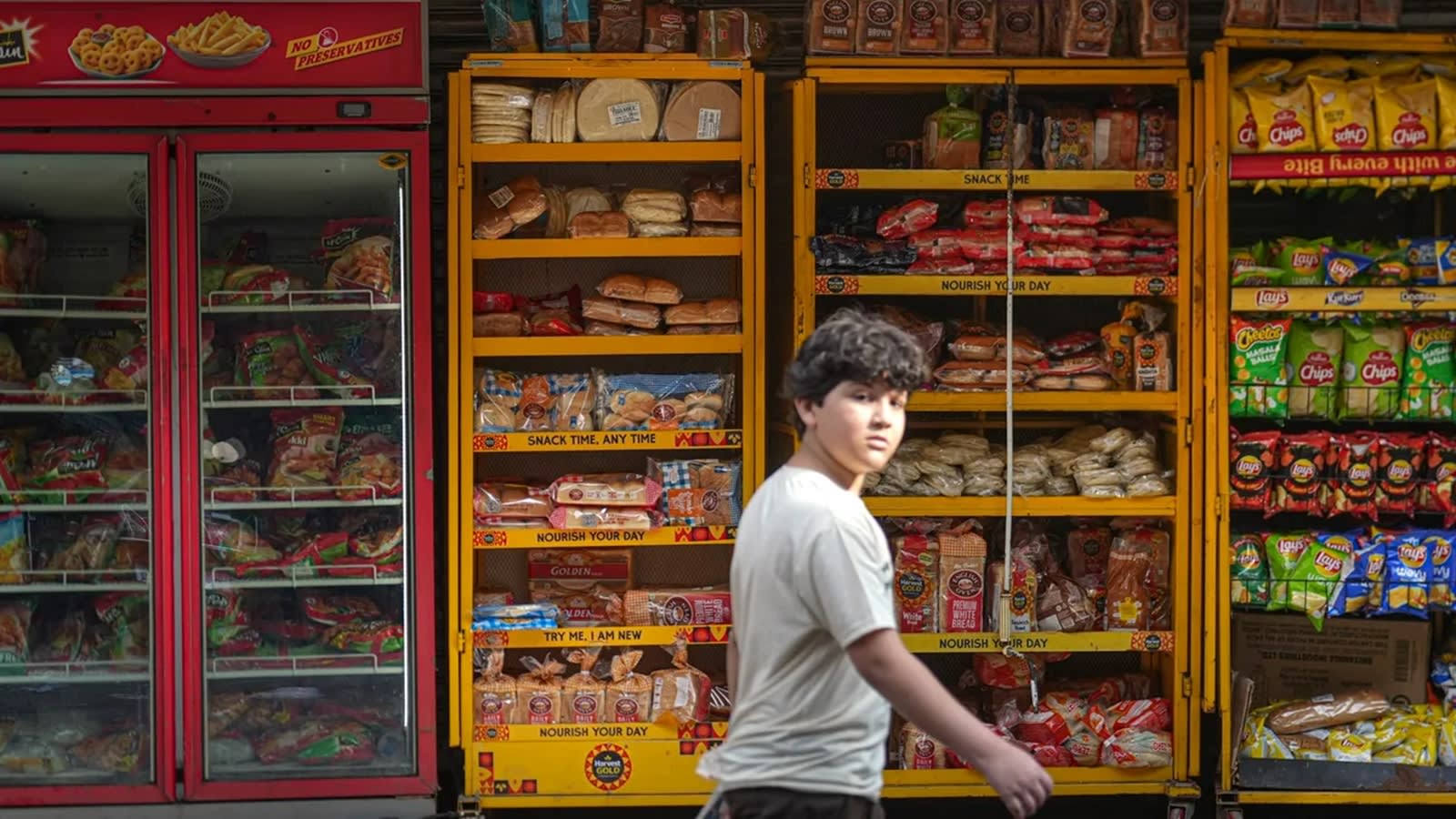
This analysis explores the evolving nature of Diwali celebrations in India, contrasting the cultural legacy of Pandit Pannalal Ghosh's 'Raag Deepavali' with modern shifts toward health-conscious festivities. It highlights the growing tension between traditional indulgence and the urgent need to address rising non-communicable diseases.
The Dual Facets of Diwali: Tradition and Modern Transformation
Diwali, the festival of lights, has long served as a profound cultural anchor in India, symbolizing the triumph of consciousness over darkness. However, as the nation navigates the complexities of the 21st century, the way we observe this festival is undergoing a significant transformation. This evolution is mirrored in both our artistic expressions and our daily lifestyle choices, reflecting a broader societal shift toward mindfulness.
The Artistic Legacy of Raag Deepavali
Historically, festivals have provided fertile ground for the Hindustani classical tradition, though Diwali has seen fewer dedicated compositions compared to other festivals like Holi. A notable exception is 'Raag Deepavali,' an innovative creation by the legendary flautist Pandit Pannalal Ghosh. A disciple of Ustad Allauddin Khan—the architect of the Maihar gharana—Ghosh was instrumental in elevating the flute from a folk instrument to a sophisticated medium for classical expression. Composed around 1946, this raag stands as a testament to the intersection of deep-rooted spirituality and musical innovation, offering a meditative soundscape that contrasts with the frenetic energy often associated with modern-day celebrations.
The Health Crisis: A Modern Reality
In stark contrast to the meditative nature of classical music, contemporary Diwali celebrations have increasingly become synonymous with environmental and physiological strain. With India facing a rising burden of non-communicable diseases, the traditional indulgence in high-sugar, high-fat sweets and the environmental impact of pollution have come under intense scrutiny. The Rig Vedic concept of the lamp as the 'supreme light of consciousness' is being challenged by the reality of sulphur-filled skies and the metabolic deterioration caused by excessive, poor-quality dietary choices.
The Shift Toward Mindful Consumption
Evidence of a cultural pivot is emerging at the micro-level, particularly in urban centers like Delhi. Hosts are reporting a noticeable decline in the consumption of traditional, deep-fried snacks, as guests arrive with a heightened sense of dietary awareness. The transition from heavy, oil-laden menus to healthier, protein-rich alternatives reflects a growing recognition that personal wellness is not at odds with festive joy. This 'healthy spree' mindset indicates a departure from the multi-day pattern of over-consumption that has characterized recent decades.
Reclaiming the Essence of the Festival
The current trend suggests that Indians are moving toward a more balanced approach to Diwali. By reclaiming the festival from the pressures of excessive consumption, families are finding ways to celebrate without compromising their long-term health. Whether through the preservation of rare musical traditions like those of Pandit Ghosh or the adoption of healthier culinary habits, the focus is shifting toward sustainability.
Future Trends and Conclusion
Looking ahead, we can expect this trend of 'conscious celebration' to gain momentum. As non-communicable diseases like diabetes and heart conditions continue to impact a larger segment of the population, the societal pressure to move away from harmful celebratory practices will likely intensify. By integrating the artistic depth of our heritage with a proactive approach to physical health, the future of Diwali lies in redefining what it means to celebrate—moving away from the 'lung and heart' burden and toward a more harmonious, sustainable form of collective joy.
Multiple Citing Sources