Dr Ambedkar Awas Yojana: Gujarat's housing assistance scheme for scheduled caste families
Source Entity
PRANJAL PANDEY
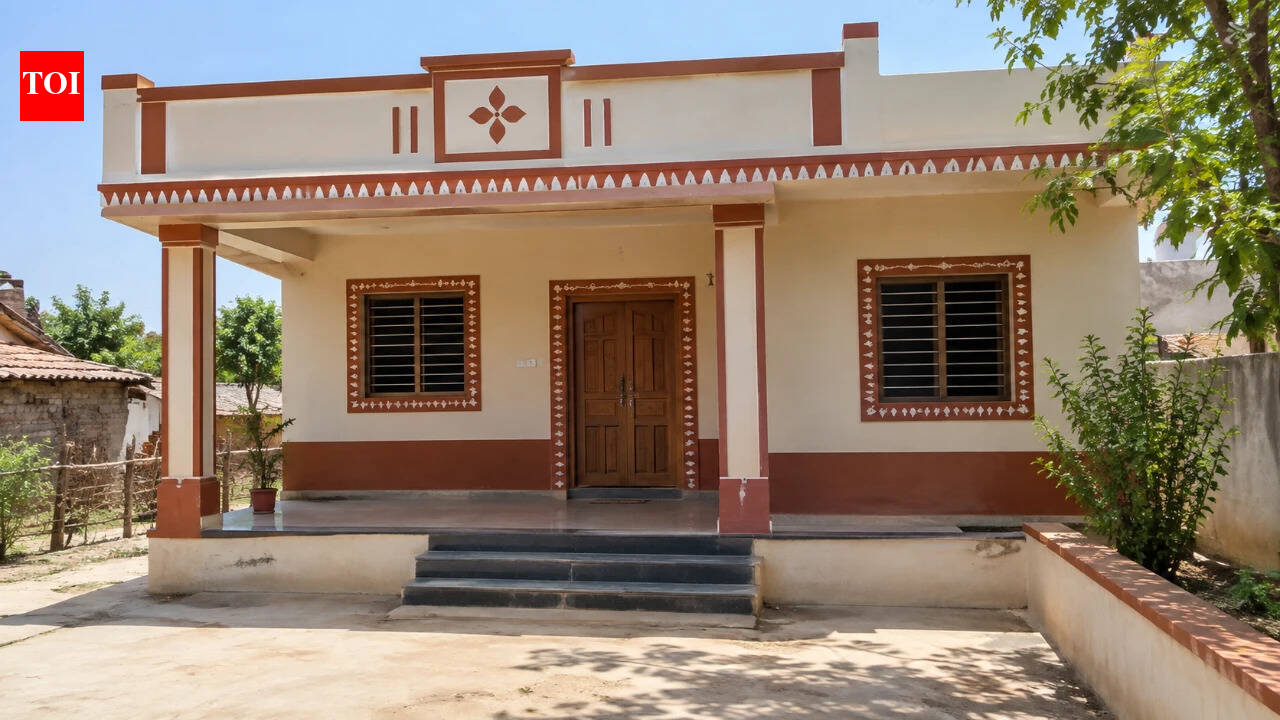
The Dr. Ambedkar Awas Yojana provides Rs 1,20,000 in financial aid to eligible scheduled caste families in Gujarat for home construction. Applicants can manage the process online via the e-Samaj Kalyan Portal to secure permanent housing.
Empowering Marginalized Communities: The Dr. Ambedkar Awas Yojana
The Dr. Ambedkar Awas Yojana represents a pivotal social welfare initiative spearheaded by the Gujarat government. Launched in 1999 under the oversight of the Director of Scheduled Caste Welfare, Department of Social Justice & Empowerment, the scheme addresses the critical need for permanent, secure housing among marginalized populations. By providing direct financial intervention, the state aims to uplift scheduled caste families who have historically struggled with substandard living conditions.
Financial Structure and Disbursement
At the heart of the scheme is a financial grant of Rs 1,20,000 provided to eligible beneficiaries. To ensure the funds are utilized effectively for their intended purpose, the disbursement is structured in three distinct phases. This milestone-based approach is contingent upon the documented advancement of construction, ensuring that the government’s investment translates directly into tangible residential infrastructure rather than remaining stagnant.
Scope and Accessibility
The program is notably inclusive in its geographic reach, covering both urban and rural pockets of Gujarat. This dual-focus approach acknowledges that housing poverty is not confined to one demographic or region; rather, it is a pervasive issue affecting scheduled caste families across the state's diverse landscape. By removing geographic barriers, the scheme attempts to standardize the quality of life for beneficiaries regardless of where they reside.
Digital Transformation of Welfare
In line with modern governance, the application process for the Dr. Ambedkar Awas Yojana has been integrated into the e-Samaj Kalyan Portal. This shift toward digital administration simplifies the path for applicants, allowing them to navigate eligibility criteria and document submission with greater transparency. By streamlining these administrative hurdles, the government reduces the potential for bureaucratic delays that often hinder the uptake of social welfare programs.
Socio-Economic Implications
The broader implication of this scheme lies in the correlation between stable housing and socio-economic mobility. Permanent housing acts as a foundation for better health, education, and social security. By providing the means to build homes, the government is not merely providing shelter but is also fostering a sense of dignity and ownership for families who have lived in dilapidated structures or lacked a permanent residence for generations.
Future Trends and Sustainability
Looking ahead, the success of the Dr. Ambedkar Awas Yojana serves as a blueprint for future social justice initiatives. As the state continues to refine its welfare delivery, the focus will likely remain on integrating more robust monitoring systems to ensure that the most vulnerable families are identified and assisted. The continued reliance on the e-Samaj Kalyan Portal suggests that digital inclusion will remain a cornerstone of Gujarat's strategy to bridge the gap between policy formulation and ground-level execution.