24-hour shutdown by banned outfit over 1949 merger disrupts Manipur capital
Source Entity
Latest News: Todays Latest News Headlines from India & World | Hindustan Times | Hindustan Times
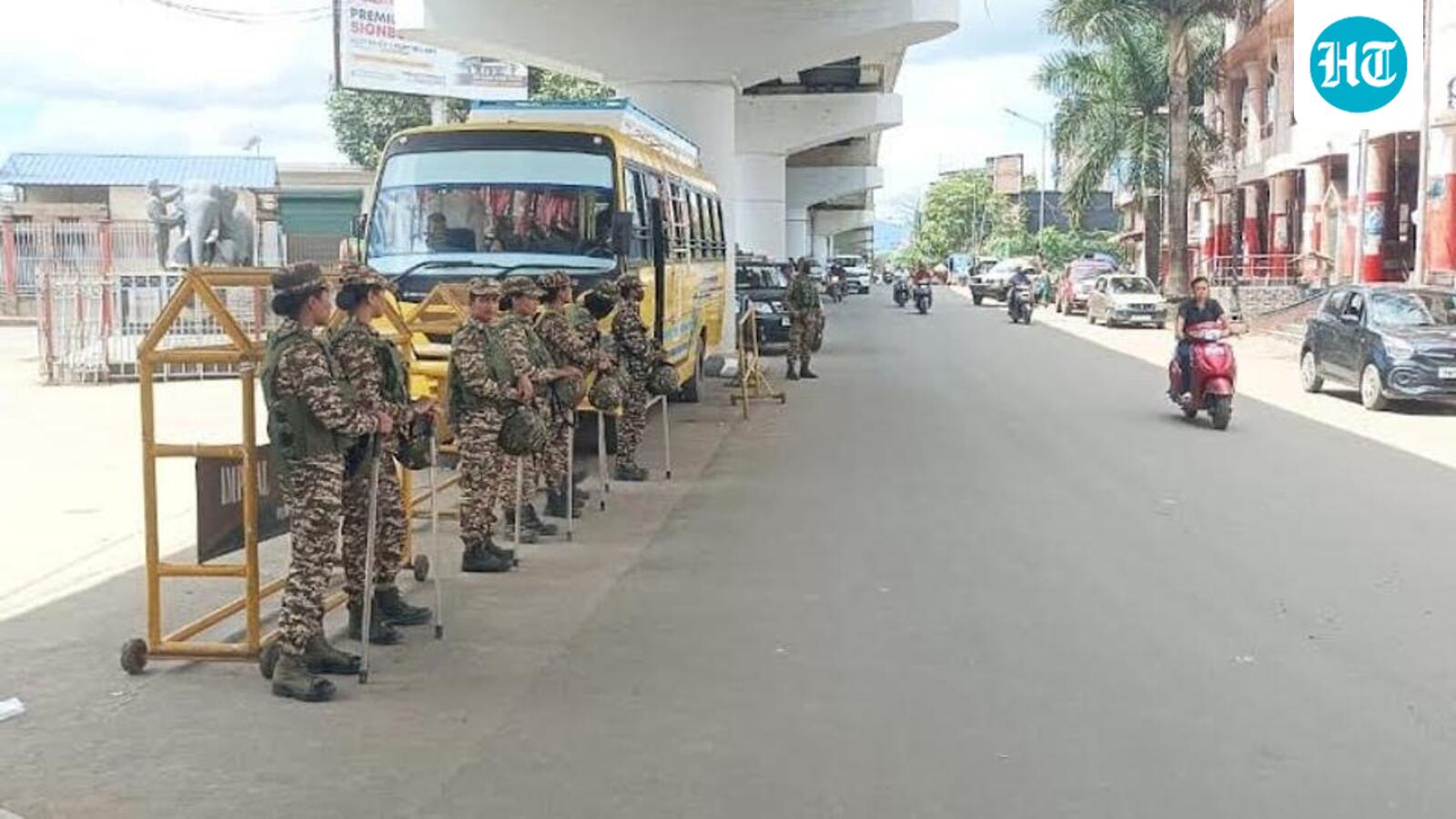
A 24-hour shutdown called by the banned National Revolutionary Front Manipur (NRFM) disrupted normal life across the Imphal Valley. The protest, opposing the 1949 merger of Manipur with India, resulted in closed markets and schools despite a visible security presence.
Analysis of the NRFM-Induced Shutdown in Manipur
The Context of the September 20-21 Shutdown
On September 20, the National Revolutionary Front Manipur (NRFM), a proscribed underground organization, initiated a 24-hour statewide shutdown that paralyzed normal life across the five districts of the Imphal Valley. This action, which spanned from midnight on September 20 to September 21, was explicitly tied to the historic 1949 merger of the erstwhile Kingdom of Manipur with the Indian Union. By labeling this merger an "unlawful annexation," the NRFM sought to challenge the legitimacy of Manipur’s current constitutional status within India.
Impact on Public Life and Infrastructure
The immediate consequences of the NRFM’s call were severe, resulting in the closure of educational institutions, marketplaces, and the cessation of public transport. Reports from the capital city of Imphal indicated that the streets were largely deserted, reflecting the fear of potential violence or the community’s adherence to the directives of the banned outfit. Even government offices saw a significant decline in attendance, with employees choosing to remain home rather than risk travel during the protest period.
Security Measures and Administrative Response
In anticipation of civil unrest, security forces were deployed at key strategic locations throughout Imphal. The state government’s priority was to maintain public order and prevent any escalation of violence that could arise from the protest. The presence of security personnel served as a deterrent, though the lack of protestors on the streets suggested that the shutdown was enforced more through psychological pressure and the threat of disruption than through direct, visible confrontations.
Historical Grievances and Political Rhetoric
The core of this disruption lies in the NRFM’s long-standing ideological opposition to the 1949 Merger Agreement. The outfit, represented by information and publicity secretary Sanajaoba Meitei, maintains that the sovereignty of Manipur was compromised without adequate consent. This narrative of "annexation" is a recurring theme among various separatist factions in the region, who utilize significant anniversaries related to the merger to highlight their grievances and assert their continued relevance in the political discourse of the Northeast.
Broader Implications and Future Trends
The recurring nature of these shutdowns underscores the fragile security environment in parts of Manipur. While the government maintains a firm stance against proscribed groups, the ability of these organizations to paralyze urban centers like Imphal points to a persistent disconnect between state authorities and certain segments of the population. Looking ahead, the state will likely continue to face challenges in balancing the need for firm law enforcement with the necessity of addressing the historical and political grievances that fuel such protests. Future stability in the region will depend heavily on the government’s capacity to integrate these marginalized voices while simultaneously ensuring that public life is not held hostage by underground factions.
Verification Required?