SC mandates judicial oversight to check re-arrest abuse
Source Entity
India Latest News: Top National Headlines Today & Breaking News | The Hindu
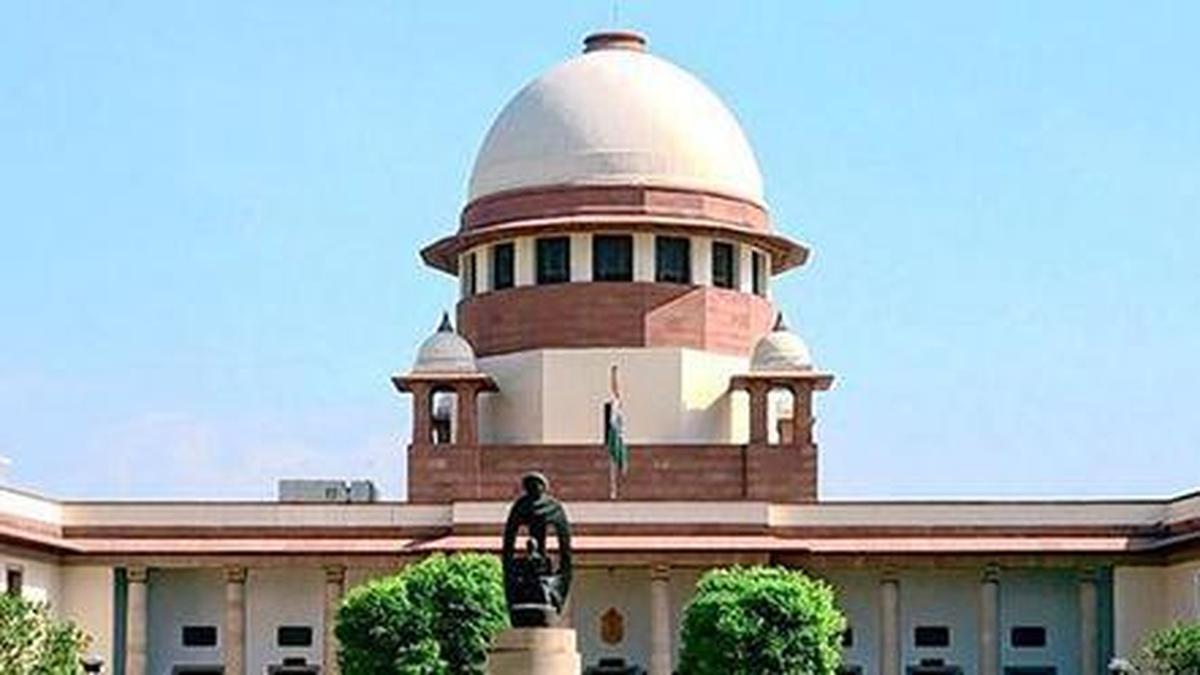
The Telangana High Court has sentenced a police officer to jail for violating protection orders, while the Supreme Court has mandated strict judicial oversight for re-arrests. These rulings collectively reinforce constitutional safeguards against arbitrary police action.
Judicial Enforcement of Personal Liberty in India
The Telangana High Court's Stance on Contempt
In a significant display of judicial authority, the Telangana High Court recently sentenced a police officer to one month of imprisonment and a fine of Rs 2,000. This punitive action stemmed from a contempt case where the officer arrested an individual despite an existing interim protection order. Justice K. Sujana, presiding over the case, firmly rejected the officer's plea of ignorance regarding the court's order. By refusing to accept an apology for such a procedural breach, the court has signaled that ignorance of judicial mandates is no defense for law enforcement officials, particularly when fundamental rights are at stake.
Strengthening Article 22 Protections
Complementing this local judicial action, the Supreme Court of India has issued a landmark judgment regarding the re-arrest of individuals. A bench comprising Justices Ujjal Bhuyan and Atul Chandurkar emphasized that the safeguards under Article 22 of the Constitution are not mere procedural formalities but are essential pillars of personal liberty. The Court declared that any arrest violating these constitutional mandates is inherently unconstitutional, necessitating the immediate release of the affected individual.
Mandating Judicial Oversight
To prevent the mechanical re-arrest of citizens previously released due to illegal detention, the Supreme Court has introduced a stringent procedural layer of judicial oversight. Law enforcement agencies are now required to obtain explicit sanction from a Judicial Magistrate before attempting a second arrest. This process requires the police to submit recorded, valid reasons for such an action, shifting the power dynamic from unilateral police discretion to a system of checks and balances monitored by the judiciary.
Constitutional Implications
Article 22(1) and 22(2) serve as the bedrock for the protection of citizens against arbitrary state power, mandating that individuals be informed of the grounds of their arrest and granted access to legal counsel. The recent Supreme Court ruling reinforces that the state cannot bypass these protections by simply re-arresting a person who was released due to a procedural violation. This ensures that the "fundamental principles" governing personal liberty remain inviolable, regardless of the investigative agency's intent.
Future Trends in Law Enforcement
These judicial developments indicate a clear trend toward curbing police arbitrariness through increased accountability. By mandating judicial oversight and punishing contemptuous behavior, the courts are forcing a cultural shift within law enforcement agencies. Moving forward, police departments will likely be required to implement more robust digital tracking systems for court orders to ensure that protection orders are honored in real-time, thereby reducing the risk of contempt and constitutional infringement.
Conclusion
The convergence of the Telangana High Court’s punitive stance and the Supreme Court’s new procedural mandates underscores a unified judicial effort to safeguard citizen rights. As the legal landscape evolves, these rulings serve as a reminder that the rule of law must prevail over administrative convenience, ensuring that the state remains accountable to the constitutional guarantees afforded to every individual.
Multiple Citing Sources
Verification Required?