Dr Ruth John Paul, 31, becomes one of India's first Dalit trans women with MD
Source Entity
TOI LIFESTYLE DESK
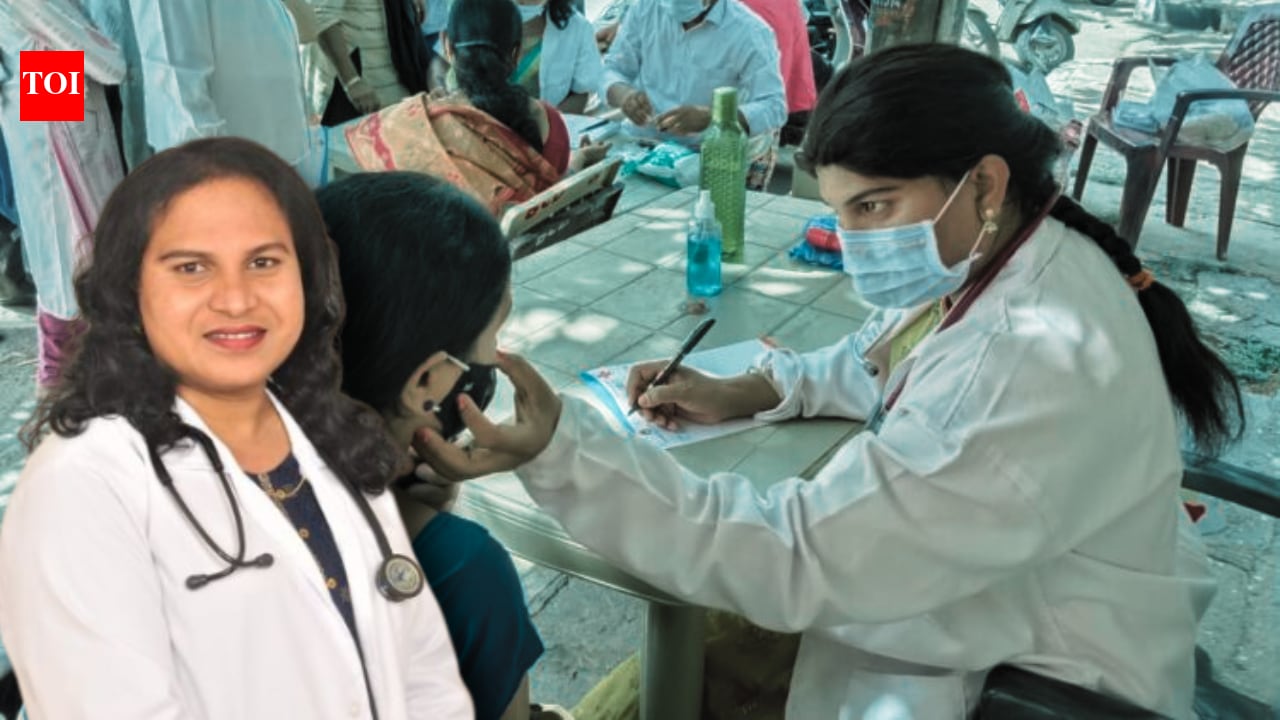
Dr. Koyyala Ruth John Paul has become one of India's first Dalit trans women to earn an MD in Emergency Medicine. Her achievement follows years of overcoming familial rejection, systemic discrimination, and significant bureaucratic barriers.
A Landmark Achievement in Medical History
Dr. Koyyala Ruth John Paul, a 31-year-old physician from the Khammam district of Telangana, has etched her name into history by becoming one of India's first Dalit transgender women to earn an MD in Emergency Medicine. Her journey is not merely a personal triumph but a profound statement against the intersectional discrimination faced by transgender individuals within the Indian academic and professional healthcare landscapes. By securing her postgraduate degree, Dr. Ruth has shattered the glass ceiling that has long excluded marginalized identities from specialized medical practice.
Overcoming Systematic Adversity
The path to this milestone was fraught with immense personal and structural challenges. Dr. Ruth’s transition, which she initiated during her third year of medical school, led to her being forcibly ousted from her family home following physical abuse. This period of intense vulnerability threatened to derail her academic aspirations permanently. However, she found a vital support system within the transgender community, which provided the emotional and social scaffolding necessary for her to persevere through her remaining medical training despite the trauma of homelessness and familial estrangement.
The Struggle for Professional Recognition
Beyond the personal toll, Dr. Ruth faced a gauntlet of institutional bias. Throughout her pursuit of an MD, she encountered repeated rejections from hospitals and navigated complex, often hostile, bureaucratic hurdles concerning her identity and professional recognition. These systemic barriers are reflective of a broader, deep-seated prejudice within the medical establishment that frequently overlooks the capabilities of transgender professionals. Her resilience in the face of these obstacles highlights the urgent need for inclusive policy reforms within Indian medical institutions to ensure that qualifications, rather than gender identity or caste background, dictate professional advancement.
A Commitment to Emergency Medicine
In August 2023, Dr. Ruth joined the Employees' State Insurance Corporation (ESIC) Medical College and Hospital in Hyderabad to pursue her MD in Emergency Medicine. Her choice of specialty is particularly significant; as a field, emergency medicine requires rapid decision-making and a high degree of empathy under pressure. By thriving in this high-stakes environment, she has proven that the transgender experience—often defined by navigating crisis and survival—can provide unique insights and strengths that benefit the medical field, particularly in public health settings.
Advocacy and Future Implications
Dr. Ruth has transitioned from a student fighting for her right to study into a fierce advocate for transgender healthcare rights in India. Her presence in a government facility not only provides visibility for the transgender community but also serves as a critical bridge between marginalized populations and the healthcare system. Her success is expected to influence future policy discussions regarding diversity and inclusion in medical education. As India continues to address systemic inequalities, Dr. Ruth’s trajectory serves as a blueprint for institutional reform and a beacon of hope for future generations of queer and Dalit professionals in STEM.