Drone Hits Cooling Tower At Russia's Nuclear Plant, Says UN Nuclear Watchdog
Source Entity
NDTV News Search Records Found 1000
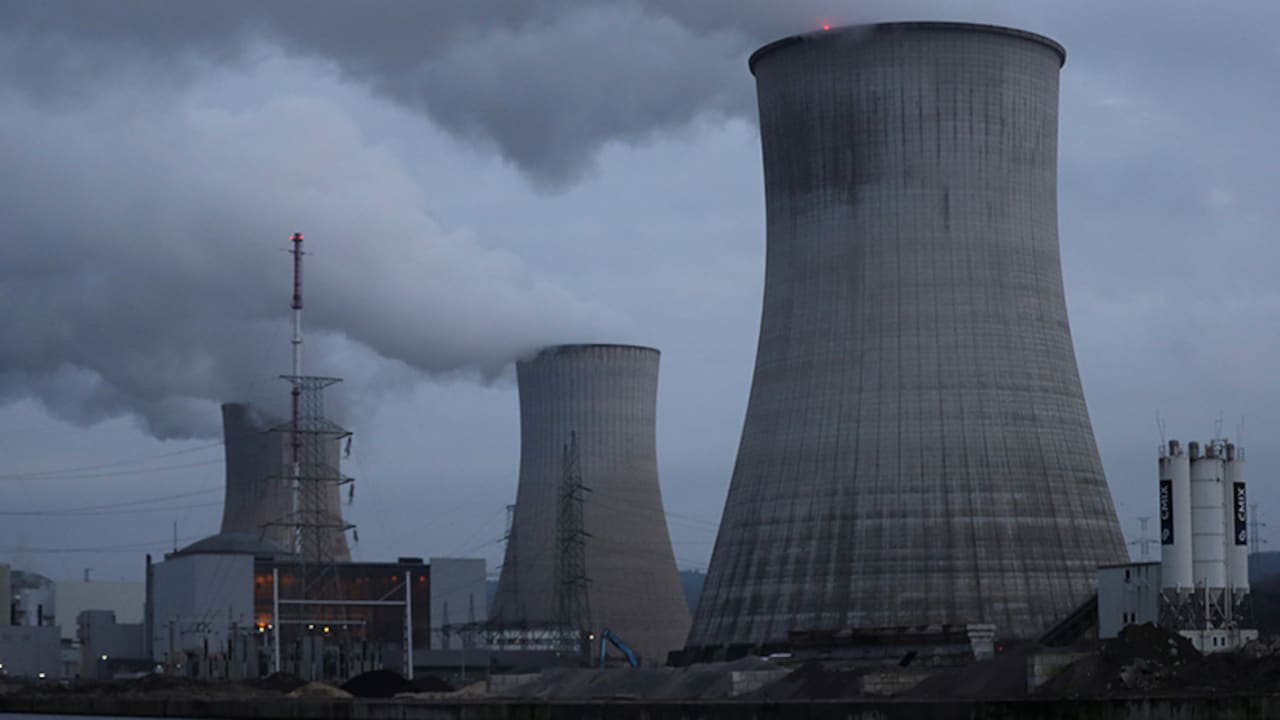
A drone strike on a cooling tower at Russia's Kursk Nuclear Power Plant has sparked international alarm. While the IAEA reports no immediate safety breach, the incident marks a dangerous escalation in the ongoing conflict.
The Escalation at Kursk: A New Nuclear Threat
The recent drone strike on a cooling tower at Russia's Kursk Nuclear Power Plant represents a significant and perilous shift in the ongoing conflict between Russia and Ukraine. By targeting infrastructure directly linked to an operational nuclear facility, the nature of military engagement has moved into a high-risk domain that the international community has long sought to avoid. This event has moved the war from conventional battlefield exchanges into the realm of potential radiological catastrophe.
The IAEA's Stance and Operational Safety
The International Atomic Energy Agency (IAEA) has been quick to address the incident, confirming that while the drone hit the cooling tower, the reactor itself continues to function within normal parameters. There were no reports of fires or immediate radiation leaks, which provides a temporary sense of relief. However, IAEA Director General Rafael Grossi has emphasized that such attacks are fundamentally unacceptable. His call for maximum military restraint is not merely procedural but a desperate plea to prevent an accident that could have trans-border consequences.
The Geopolitical Context of the Strike
This incident does not occur in a vacuum; it follows sharp diplomatic rhetoric from high-level Russian officials. Just one day prior to the strike, Russian Foreign Minister Sergey Lavrov accused Western nations of providing tacit approval for Kyiv's increasingly bold military tactics. The proximity of these diplomatic accusations to the physical strike suggests that the war is entering a phase where the boundaries of 'acceptable' targets are being aggressively redefined, raising questions about the future of international diplomatic leverage.
Assessing the Risk of Nuclear Miscalculation
The reach of a drone into an operational Russian nuclear facility changes the strategic calculus for both sides. Historically, nuclear sites have been treated as 'no-go' zones due to the catastrophic environmental and human costs associated with a containment failure. By breaching this informal barrier, the incident forces a re-evaluation of security protocols at other nuclear sites across the region. The risk of a miscalculation—where a conventional strike triggers a systemic failure—has never been higher.
Future Trends and Global Implications
As the conflict progresses, the international community faces the challenge of de-escalating tensions around critical infrastructure. If attacks on nuclear facilities become a recurring tactic, the probability of a nuclear accident increases exponentially. Future trends will likely focus on whether the IAEA can establish a more robust monitoring presence or if the belligerents will continue to push the limits of military engagement. The world now watches with heightened concern, as the threshold for a major nuclear incident continues to thin.
Multiple Citing Sources
Verification Required?