Russia’s nuclear nightmare: Drone reaches Kursk reactor as Ukraine war takes a dark turn
Source Entity
Latest News: Todays Latest News Headlines from India & World | Hindustan Times | Hindustan Times
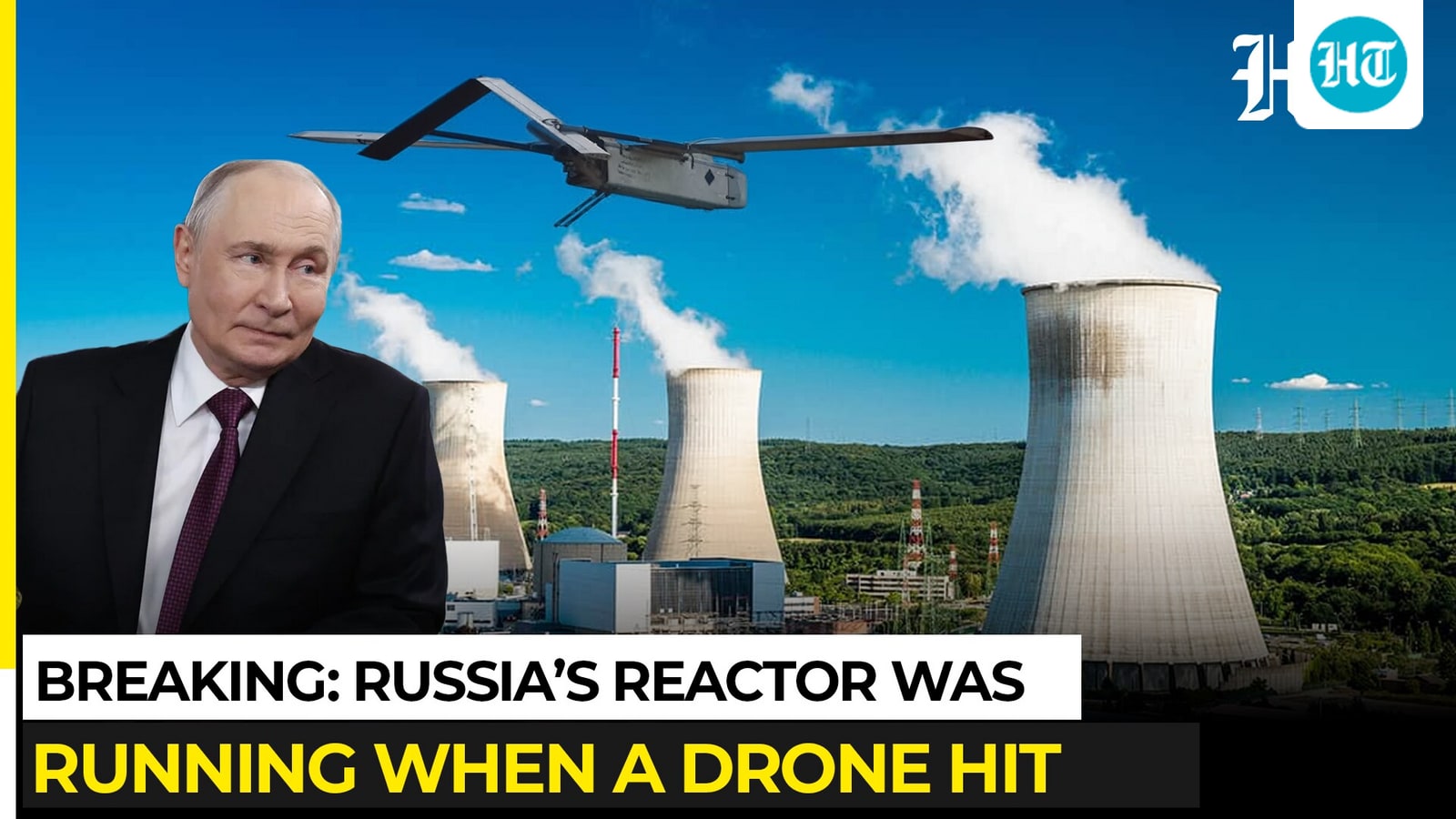
A drone strike on a cooling tower at Russia's Kursk Nuclear Power Plant has sparked international alarm over nuclear safety. The IAEA has urged military restraint, warning that such attacks on critical infrastructure are unacceptable and risk a catastrophic accident.
The Escalation of Conflict: A Nuclear Safety Crisis
The recent drone strike on a cooling tower at Russia's Kursk Nuclear Power Plant marks a significant and alarming escalation in the ongoing conflict between Russia and Ukraine. By targeting critical nuclear infrastructure, this incident has transcended conventional tactical warfare, moving into a domain that poses a direct threat to regional and global radiological safety. The fact that an unmanned aerial vehicle successfully reached an operational nuclear facility highlights the increasing vulnerability of high-stakes infrastructure in the conflict zone.
The IAEA Response and Global Concern
Following the strike, the International Atomic Energy Agency (IAEA) and its director, Rafael Grossi, issued immediate warnings regarding the inherent dangers of military activity near nuclear plants. While the IAEA confirmed that the reactor itself continued to operate normally and no fire was reported, the incident serves as a grim reminder of how close the region has come to a potential nuclear disaster. Grossi’s appeal for "maximum military restraint" underscores the fragility of existing safety protocols when confronted with modern, long-range drone warfare.
Geopolitical Tensions and Rhetoric
The strike occurred during a period of heightened diplomatic friction, characterized by sharp rhetoric from Russian officials. Foreign Minister Sergey Lavrov’s recent comments accusing the West of enabling Kyiv’s actions suggest that Moscow views such incidents not merely as tactical failures, but as evidence of Western complicity. This narrative of a proxy war further complicates the diplomatic landscape, as the incident at Kursk provides a focal point for Russia to justify more aggressive responses or to seek increased leverage in international forums.
The Vulnerability of Critical Infrastructure
Historically, nuclear facilities are designed to withstand significant physical impact; however, they are not designed to operate within an active, unpredictable combat zone. The drone strike on the cooling tower demonstrates that even non-nuclear structural components of these plants are potential targets. This creates a psychological and strategic nightmare for nuclear regulators, who must now account for the use of low-cost, high-precision drone technology that can circumvent traditional air defenses.
Future Implications and Risk Mitigation
As the war enters this increasingly dangerous phase, the international community faces the daunting task of establishing a "nuclear buffer zone" or similar safety consensus. Without a binding agreement to treat nuclear sites as strictly off-limits, the risk of a miscalculation—where a strike hits a more sensitive component, such as a spent fuel storage area or a reactor core—increases exponentially. The Kursk incident suggests that the threshold for acceptable military targets has shifted, forcing a reassessment of what constitutes a "red line" in the Ukraine war.
Concluding Summary
Ultimately, the drone strike at the Kursk Nuclear Power Plant is a harrowing development that underscores the necessity of de-escalation. While the immediate danger to the reactor has been contained, the incident serves as a precursor to potential future catastrophes if military operations continue to encroach upon nuclear territory. Ensuring the safety of these facilities remains a paramount global concern that transcends the political motivations of the warring parties.
Multiple Citing Sources
Verification Required?