‘We demand the truth’: Olga Tokarczuk and JM Coetzee lead calls for proof of life of disappeared Eritrean writers
Source Entity
Ella Creamer
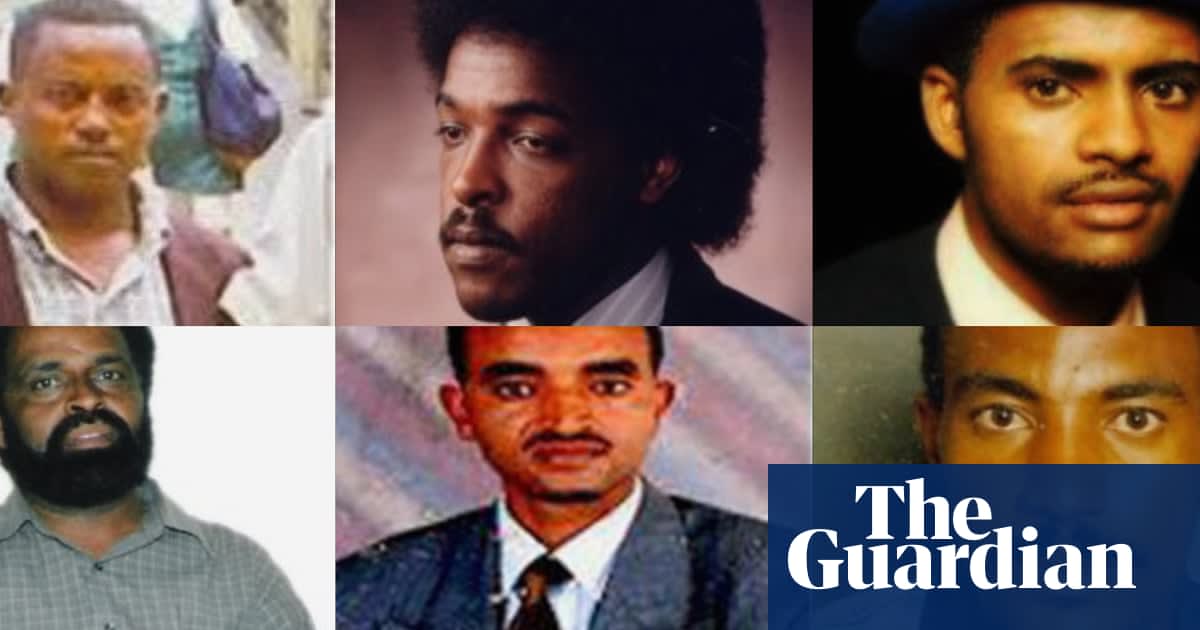
Over 180 prominent writers, including Nobel laureates, have petitioned Eritrean President Isaias Afwerki for proof of life regarding 12 journalists and writers detained in 2001. This collective action marks the 25th anniversary of a severe state crackdown on Eritrea's independent press.
A Quarter-Century of Silence: The Global Plea for Eritrea’s Disappeared
In a powerful display of international solidarity, more than 180 world-renowned writers have issued a formal demand to Eritrean President Isaias Afwerki. The letter, dated 18 September, serves as a searing indictment of a 25-year-old policy of state-sponsored suppression. By demanding 'proof of life' for 12 writers held incommunicado since 2001, signatories are attempting to pierce the veil of secrecy that has shrouded one of the world’s most restrictive regimes for over two decades.
The 2001 Crackdown: A Turning Point for Eritrean Media
The origins of this crisis trace back to 2001, a watershed year when the Eritrean government launched a systematic campaign to dismantle the nation's burgeoning independent press. Within a matter of days, the government effectively silenced critical voices, detaining journalists and writers who dared to challenge the state's narrative. This crackdown did more than just shutter newspapers; it eliminated the possibility of public discourse, leaving a void where objective reporting and creative inquiry once existed.
Distinguished Voices Against State Oppression
The campaign is bolstered by the participation of literary heavyweights, including Nobel laureates Olga Tokarczuk and JM Coetzee. Their involvement, alongside celebrated authors such as Isabel Allende, Elif Shafak, and Yann Martel, elevates the issue from a regional human rights concern to a global moral imperative. By lending their names to this cause, these writers highlight the enduring importance of freedom of expression and the danger of allowing political prisoners to be forgotten by the international community.
The Human Cost of Incommunicado Detention
Among the 12 writers specifically named in the letter are poet Amanuel Asrat and playwright/journalist Dawit Isaak. Their prolonged detention—held without trial or contact with the outside world—represents a grave violation of fundamental human rights. The letter emphasizes that the families of these individuals, the Eritrean populace, and the broader global literary community have been met with nothing but silence, deepening the trauma and uncertainty surrounding their fates.
Broader Implications and Future Outlook
This initiative marks a significant moment in the ongoing struggle for media freedom in the Horn of Africa. By framing the 25-year anniversary as a call to action, the signatories are challenging the Eritrean government to account for its historical actions. While the regime of President Isaias Afwerki has historically remained impervious to external pressure, the collective weight of such an esteemed group of intellectuals poses a symbolic challenge that cannot be easily dismissed on the global stage.
Conclusion
The demand for proof of life is not merely a request for information; it is a declaration that these writers have not been erased from history. As the literary world continues to advocate for transparency, the case of the 2001 detainees remains a stark reminder of the risks faced by those who champion truth in authoritarian environments. The world waits to see if this pressure will finally elicit a response from a government that has kept its doors—and its prison cells—closed for far too long.