German elections under way which could decide fate of Chancellor Merz
Source Entity
BBC News
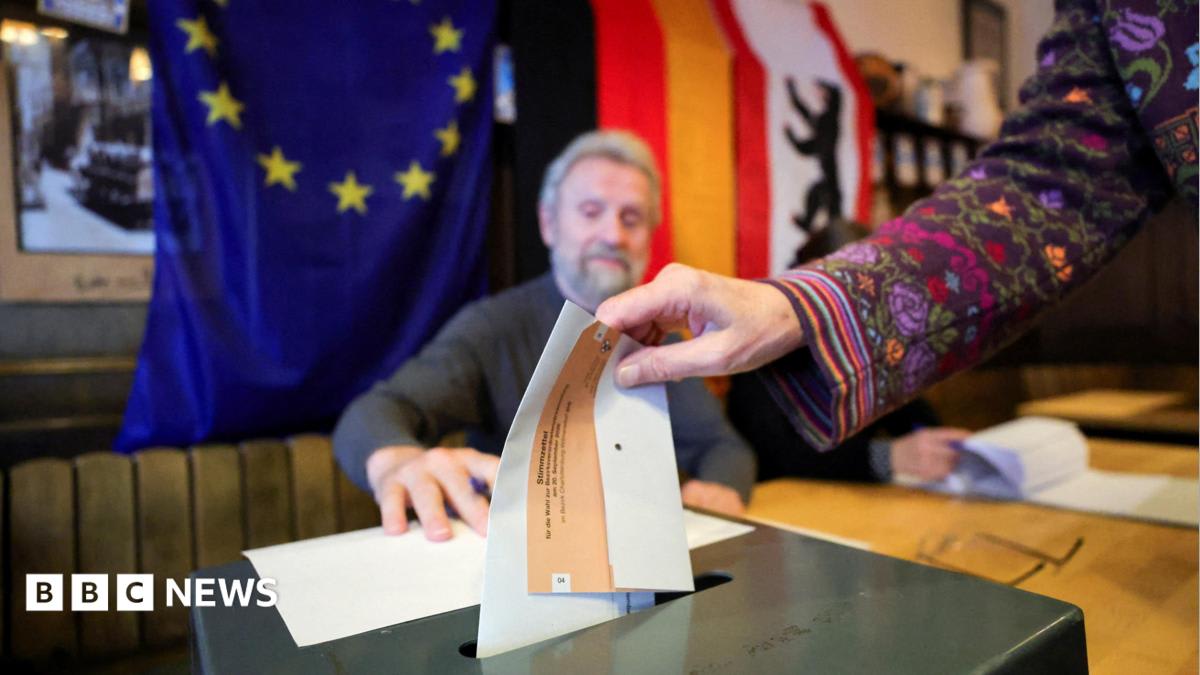
German Chancellor Friedrich Merz faces significant political instability as his CDU party risks major losses in crucial state elections. These polls follow a recent surge by the far-right AfD, fueling intense speculation regarding a potential mid-term leadership change.
The Fragile State of Chancellor Merz’s Leadership
The political landscape in Germany is currently defined by a palpable sense of instability as Chancellor Friedrich Merz faces a pivotal test of his authority. With local elections currently underway in two German states, the outcome serves as a bellwether for his administration's viability. The pressure on Merz is immense; his leadership is being scrutinized not only by the public but by internal party factions concerned about the potential for further electoral decline.
The Impact of Recent Electoral Trends
These state-level contests do not occur in a vacuum. They follow a significant and alarming precedent set just two weeks ago in Saxony-Anhalt, where the far-right Alternative for Germany (AfD) party secured a major victory. During that same contest, the Christian Democratic Union (CDU) saw its vote share effectively halved, a result that sent shockwaves through the German political establishment. The current elections in Berlin and Mecklenburg-Vorpommern are now viewed as a critical opportunity for the CDU to reverse this downward trajectory or, conversely, to solidify the perception of a party in crisis.
Internal Party Dynamics and Leadership Speculation
Given the poor performance of the CDU in recent months, speculation regarding a 'chancellor swap' has moved from the fringes of political discourse to the mainstream. Despite Merz’s public insistence that he intends to remain in office, the combination of stagnant approval ratings and the threat of further electoral defeats has created a volatile environment. The CDU is clearly struggling to maintain its traditional voter base in the face of increased polarization and the rise of populist alternatives.
Broader Political Implications
Should the CDU suffer the predicted defeats in these states, the fallout could be transformative for the German government. A loss would likely accelerate internal challenges to Merz’s leadership, potentially leading to a mid-term transition. The uncertainty surrounding his future highlights a broader trend in European politics, where mainstream center-right parties are increasingly finding themselves squeezed between voter dissatisfaction and the resurgence of radical political movements.
Future Outlook and Strategic Challenges
Looking ahead, the stability of the German government hinges on its ability to address the concerns of voters who have abandoned the CDU for the AfD. If Merz cannot stabilize his party's electoral performance, the pressure for a change in leadership will likely become insurmountable. Whether he can survive these immediate electoral hurdles or if the party will force a change to improve its prospects remains the defining question of the current political cycle in Germany.
Conclusion
In summary, the ongoing state elections represent a potential tipping point for Chancellor Merz. With the shadow of the Saxony-Anhalt defeat looming large and the AfD gaining momentum, the CDU is at a critical juncture. The results of these polls will determine whether Merz can retain his grip on power or if Germany is headed toward a significant shift in its executive leadership.