Drought affects groundnut cultivation in Karnataka; prices rise amid supply shortage
Source Entity
India Latest News: Top National Headlines Today & Breaking News | The Hindu
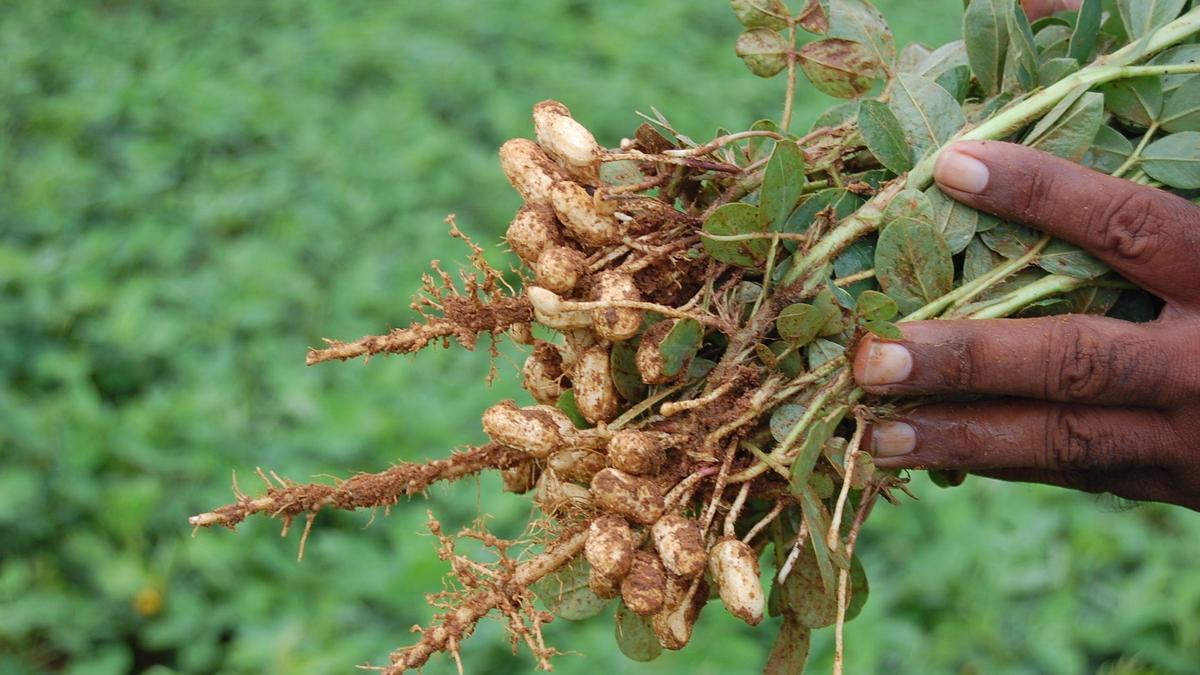
Severe drought conditions in Karnataka have led to significant groundnut crop failure and a 15% decline in India's sugar production. These agricultural setbacks, driven by inadequate rainfall, are threatening domestic supply and impacting local market availability.
Agricultural Crisis: Drought Impacts Groundnut and Sugar Yields in India
Recent agricultural data highlights a concerning trend in Karnataka and across India as severe drought conditions significantly undermine the production of key commodities. Groundnut cultivation has faced a catastrophic season, with sowing reaching only 1.59 lakh hectares against a target of 2.54 lakh hectares. Even more alarming is that of the area sown, 1.49 lakh hectares—or 93.71%—has suffered from crop failure, creating an unprecedented supply shortage that is already influencing market prices.
The Human and Cultural Impact of Groundnut Shortages
The impact of this drought is not merely statistical; it carries deep socio-cultural implications. The historic Kadlekai Parishe festival in Bengaluru, a traditional groundnut fair celebrated in Basavanagudi and Malleshwaram, is facing logistical hurdles. With farmers in major growing districts like Kolar, Chitradurga, and Dharwad reporting drying borewells and insufficient rainfall, the timely arrival of the crop for these celebrations is in jeopardy, illustrating the direct link between climate volatility and cultural heritage.
Sugar Production Declines and Sectoral Challenges
Simultaneously, the broader agricultural sector is grappling with a 15% decline in sugar production for the 2026-27 season. According to the Indian Sugar & Bio-Energy Manufacturers Association (ISMA), the output is expected to hit a decade-low. Maharashtra and Karnataka, the two pillars of India’s sugar industry, are the primary contributors to this slump. The combination of erratic monsoon patterns and deficient rainfall has created a systemic vulnerability that threatens the stability of the domestic sugar market.
Government Intervention and Supply Management
To mitigate the impact of the 15% drop in gross production, the government has taken strategic steps to stabilize domestic availability. By halting the diversion of sugar for ethanol production, authorities aim to cushion the blow, keeping the net decline in sugar availability to approximately 5.4%. This policy shift reflects the urgent need to balance industrial energy goals with the fundamental requirement of securing food supplies for the nation.
Future Trends and Resilience
Looking ahead, the reliance on rainfall for kharif and summer crops in regions like Vijayapura and Yadgir remains a high-risk factor for the Indian economy. As climate change continues to disrupt traditional monsoon patterns, the agricultural sector will likely face increased pressure to pivot toward drought-resistant crop varieties and more efficient irrigation infrastructure. The current crisis serves as a stark reminder that food security is inextricably tied to water management and climate adaptation strategies, which must become a priority for future agricultural planning.
Verification Required?