Facebook co-founder Dustin Moskovitz says the ‘top job’ is not for him
Source Entity
TOI TECH DESK
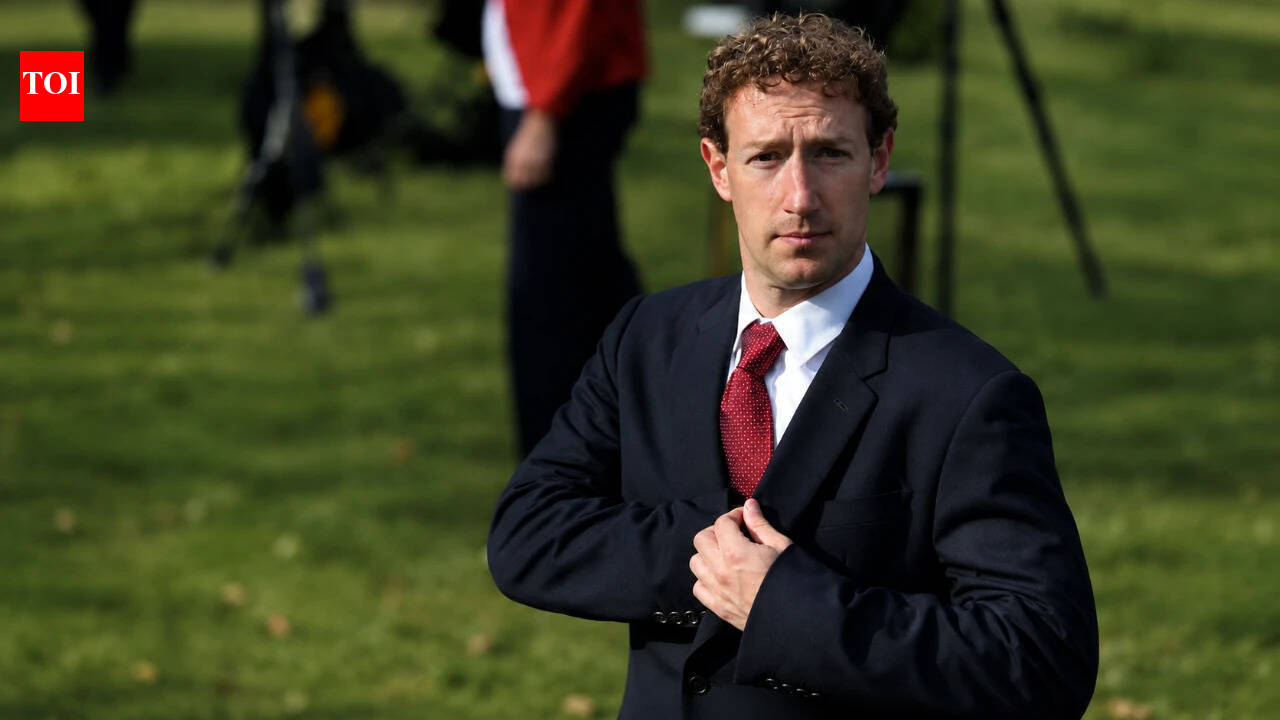
Facebook co-founder Dustin Moskovitz has openly admitted that serving as a CEO is not his natural calling. His reflection highlights the common corporate phenomenon of the 'accidental manager' and the challenges of leadership.
The Burden of Leadership: Analyzing Dustin Moskovitz’s Reflection
A Departure from Traditional Expectations
Dustin Moskovitz, a name synonymous with the early days of Facebook alongside Mark Zuckerberg, has recently offered a candid perspective on the nature of executive leadership. Despite his pedigree as a co-founder of one of the world's most influential technology companies and his subsequent decade-long tenure as the CEO of the work management platform Asana, Moskovitz has openly admitted that the 'top job' is not a role that aligns with his personal strengths or interests. This admission serves as a significant departure from the typical narrative of the tech founder who is expected to naturally transition into a lifelong corporate executive.
The Rise of the Accidental Manager
At the heart of Moskovitz’s revelation is the concept of the 'accidental manager.' This phenomenon describes individuals who find themselves in high-level leadership positions not due to formal management training or a lifelong desire to lead, but as a byproduct of their entrepreneurial success. In the fast-paced world of Silicon Valley, founders are often thrust into managerial roles by necessity rather than choice. Moskovitz’s experience underscores that technical brilliance or the ability to build a product does not automatically equate to a desire for the administrative and personnel-heavy burdens that define the CEO office.
Navigating External Pressures
Moskovitz noted that his tenure as a CEO was compounded by significant external social and political upheaval. The modern executive is no longer just a manager of business operations; they are often expected to navigate complex public discourse, manage polarized workforces, and account for the societal impact of their platforms. For leaders who lack a fundamental passion for the human-centric aspects of management, these external pressures can turn a demanding role into an unsustainable burden, highlighting the disparity between building a company and maintaining its societal standing.
The Evolution of Corporate Roles
This reflection highlights a broader trend in the tech industry where successful founders are increasingly recognizing the distinction between 'building' and 'managing.' Historically, founders were expected to remain at the helm indefinitely. However, the complexity of modern organizational structures has created a shift where founders are more comfortable stepping back to focus on product vision or innovation, leaving the operational management to those who genuinely thrive in those specific environments. Moskovitz’s honesty provides a roadmap for other leaders to re-evaluate their professional trajectories.
Conclusion: The Future of Executive Identity
Ultimately, Dustin Moskovitz’s comments invite a much-needed conversation about the sustainability of leadership in the digital age. By acknowledging that the CEO role was not his true calling, he challenges the industry standard that equates leadership with success. As corporate environments continue to evolve, the ability to recognize one’s own limitations may become just as important as the ability to innovate. This shift in perspective could lead to healthier organizations where leadership roles are occupied by those with the specific skill sets and desires required to navigate today’s complex business landscape.