Dutch court declares crypto platform Knaken bankrupt over missing funds
Source Entity
Cointelegraph by Helen Partz
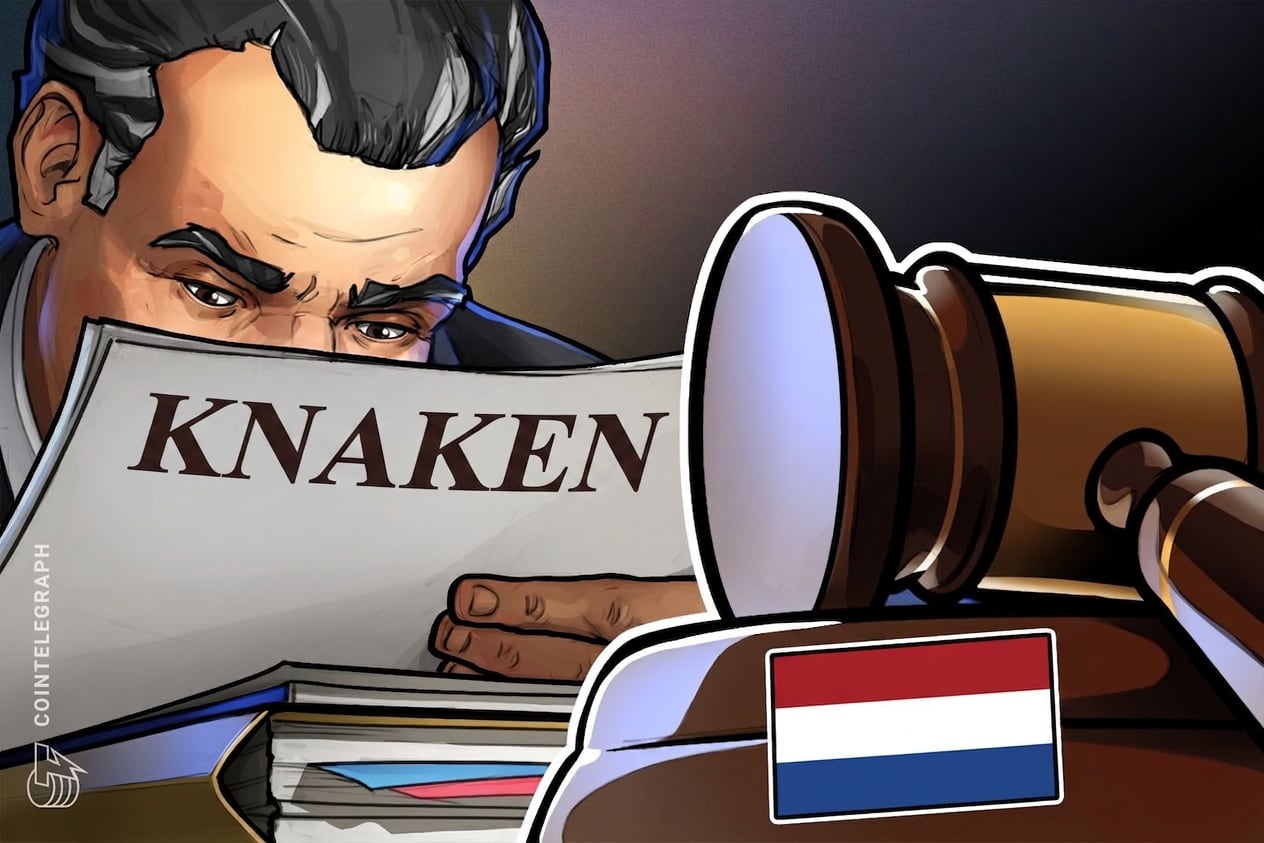
The Dutch cryptocurrency platform Knaken has been declared bankrupt by a Rotterdam court following the disappearance of 7 million euros in customer assets. The ruling aims to facilitate an orderly settlement, though the company currently lacks the funds to fully repay its users.
The Collapse of Knaken: A Deep Dive into the Dutch Crypto Insolvency
The Judicial Intervention
In a significant development for the Dutch financial landscape, the Rotterdam court has officially declared the cryptocurrency platform Knaken Cryptohandel BV, along with its affiliated foundation, bankrupt. This legal action was precipitated by a petition filed by the Dutch Public Prosecution Service on June 30, following the initiation of a criminal investigation. The court's decision underscores a critical regulatory stance: when a financial entity fails to maintain liquidity and transparency, the state must intervene to protect the broader market and individual investors.
The Disappearance of Assets
The core of the crisis lies in the reported loss of 7 million euros, equivalent to approximately $8 million, in customer assets. This staggering shortfall is the primary driver behind the bankruptcy filing. When a platform—which serves as a custodian for user funds—finds itself unable to account for millions in capital, it essentially ceases to function as a viable financial intermediary. The court noted that Knaken had already taken the drastic step of blocking user access to the platform and individual accounts, a move that signaled internal instability long before the formal bankruptcy order was issued.
Implications for Regulatory Oversight
This case highlights the ongoing tension between the decentralized nature of cryptocurrency and the necessity for centralized oversight. By declaring bankruptcy, the Rotterdam court is attempting to force an 'orderly settlement.' This process is designed to prevent a chaotic 'run on the bank' and to establish a legal framework for distributing whatever assets remain. However, the court has explicitly stated that the company currently possesses insufficient assets to fully repay its users, leaving many investors in a precarious financial position.
The Information Gap
A particularly concerning aspect of this situation is the lack of transparency afforded to the affected customers. The court acknowledged that users currently lack sufficient information to even determine their legal position or their standing in the bankruptcy proceedings. This information vacuum is a common theme in high-profile crypto collapses, where complex corporate structures—such as the use of an affiliated foundation—often obscure the flow of funds and complicate recovery efforts for retail investors.
Future Trends and Market Stability
The Knaken incident serves as a cautionary tale for the European digital asset market. As regulatory bodies like the Dutch Public Prosecution Service become more aggressive in investigating financial irregularities within the crypto sector, platforms will face increased pressure to demonstrate solvency and operational integrity. Moving forward, we can expect stricter enforcement of custodial requirements to ensure that if a platform fails, user assets are protected from the company's internal insolvency. The outcome of the Knaken liquidation will likely set a precedent for how Dutch courts handle the intersection of criminal investigations and civil bankruptcy in the realm of digital assets.