Metro man E Sreedharan’s solar rail idea runs into Kerala roadblock
Source Entity
Shaju Philip
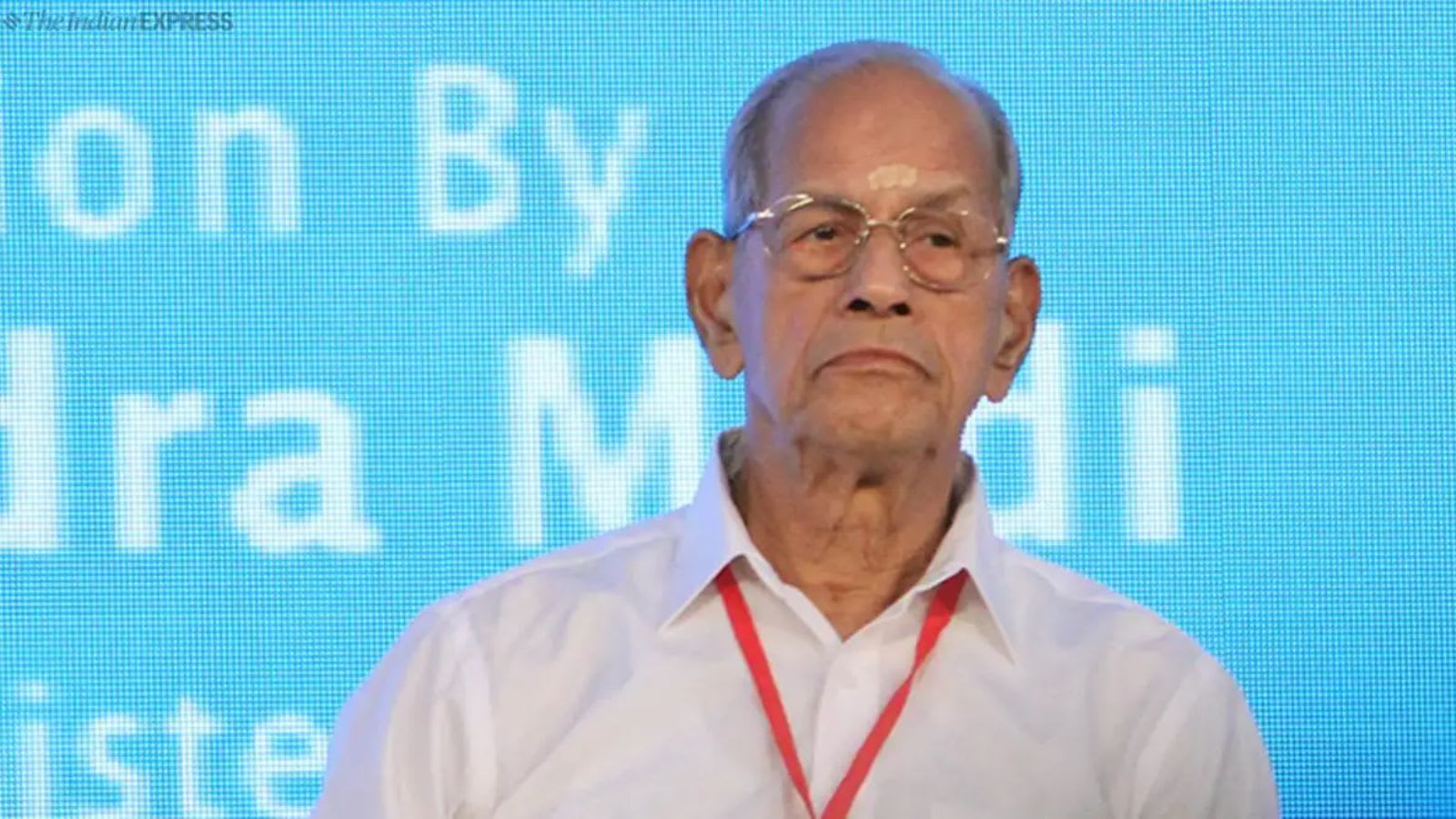
The Kerala government has raised concerns over the economic and environmental feasibility of a proposed Rs 60,000-crore solar rail corridor envisioned by renowned engineer E Sreedharan.
The Clash of Vision and Viability: E Sreedharan's Solar Rail Proposal
E Sreedharan, widely revered as the "Metro Man" for his pivotal role in the success of the Delhi Metro, has proposed a visionary solar rail corridor in Kerala. This ambitious project, estimated at a staggering Rs 60,000 crore, aims to revolutionize public transport by blending high-capacity rail systems with sustainable solar energy. However, the proposal has encountered significant resistance from the state government, marking a critical clash between avant-garde infrastructure planning and administrative caution.
The Technical Vision for Green Mobility
The core of Sreedharan's proposal lies in the creation of a dedicated corridor that leverages solar power to drive rail operations, potentially drastically reducing the carbon footprint of the state's transport network. By integrating solar panels along the tracks or utilizing station rooftops for energy generation, the project seeks to create a self-sustaining energy ecosystem. Such a move would align with India's broader national commitments to the International Solar Alliance and the overarching goal of achieving net-zero emissions, positioning Kerala as a potential leader in green mobility within the region.
Economic Constraints and Fiscal Prudence
Despite the technical allure of the project, the Kerala government has raised critical red flags regarding its economic viability. A Rs 60,000-crore price tag represents an immense financial burden for any state treasury, prompting serious questions about the Return on Investment (ROI) and the long-term funding model. The government's hesitation stems from the risk of creating a "white elephant"—a project that is technically impressive but financially unsustainable, which could lead to mounting debt and divert funds from other essential public services.
Environmental Feasibility in a Dense Landscape
Beyond the financial concerns, the "environmental feasibility" mentioned by the government is a pivotal point of contention. Kerala's unique geography, characterized by dense forests, intricate wetlands, and extremely high population density, makes large-scale land acquisition for a rail corridor an arduous task. The government is likely concerned that the construction process might lead to significant deforestation or disrupt fragile ecosystems, potentially contradicting the very "green" purpose the solar rail aims to serve. This paradox—where a sustainable energy project may cause immediate environmental degradation—is a central theme in the current debate.
The Tension Between Engineering and Governance
This standoff highlights a recurring theme in Indian infrastructure development: the tension between the visionary goals of expert engineers and the pragmatic constraints of political administration. While Sreedharan's track record is nearly impeccable, the shift from urban metro systems to a statewide solar corridor introduces new variables in land use and energy distribution. The government's role is to balance these innovative leaps with the immediate socioeconomic needs of the populace, ensuring that progress does not come at the cost of stability.
Future Implications and Trends
Looking forward, the fate of the solar rail corridor will likely depend on whether a scaled-down pilot project can be implemented to prove its viability. If the project remains stalled, it may signal a more cautious, risk-averse approach toward mega-infrastructure projects in Kerala. Conversely, if a compromise is reached and the project proceeds in phases, it could serve as a blueprint for other Indian states to integrate renewable energy into their transit systems, paving the way for a sustainable transport revolution across the subcontinent.
Conclusion
In summary, the conflict over E Sreedharan's solar rail proposal is a microcosm of the struggle to transition to green energy within tight fiscal and geographic constraints. While the vision of a solar-powered rail network is inspiring and necessary for a sustainable future, the government's concerns regarding economic and environmental feasibility are grounded in the realities of governance. The resolution of this "roadblock" will ultimately determine how Kerala balances high-tech innovation with ecological and financial sustainability.