Using E20 Petrol? These Parts In Older Vehicles May Need Replacement
Source Entity
NDTV News Search Records Found 1000
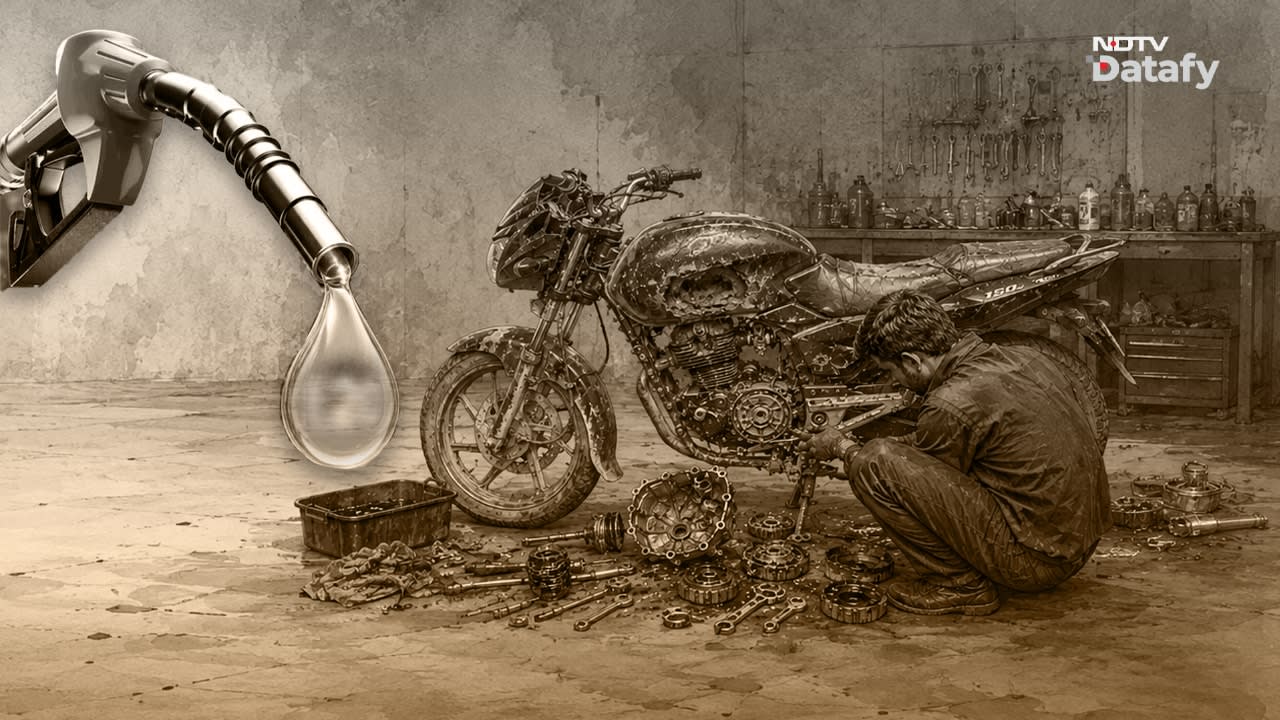
The introduction of E20 petrol requires vehicle owners to assess older fuel-system components for compatibility. Certain plastics in older vehicles may degrade or behave unexpectedly when exposed to this higher ethanol blend.
Understanding the Impact of E20 Fuel on Older Vehicles
As the automotive industry shifts toward more sustainable energy solutions, the adoption of E20 petrol—a blend containing 20% ethanol—has become a significant point of discussion for vehicle owners. While this transition is essential for reducing carbon emissions and decreasing reliance on fossil fuels, it introduces technical challenges for older internal combustion engines that were not originally designed to accommodate high ethanol concentrations.
The Chemistry of Ethanol Degradation
The primary concern regarding E20 fuel lies in the chemical interaction between ethanol and the materials used in older fuel-system components. Ethanol is a potent solvent; when introduced to fuel systems, it can cause specific plastic materials to swell, soften, or undergo chemical degradation. Over time, this degradation can compromise the integrity of fuel hoses, seals, and gaskets, leading to potential leaks or reduced efficiency in the fuel delivery system.
Why Older Vehicles Are Vulnerable
Modern vehicles are manufactured with materials specifically engineered to resist the corrosive and solvent-like properties of ethanol. However, vehicles produced before the widespread push for E20 compatibility often utilized plastics and rubbers that were formulated for pure petrol or very low-level blends. These older, legacy materials lack the chemical resistance required to maintain structural stability when exposed to a constant flow of E20, necessitating proactive inspections and potential component replacements.
Maintenance and Long-term Implications
For owners of older vehicles, the transition to E20 mandates a shift in maintenance priorities. It is no longer sufficient to monitor basic engine performance; one must now consider the material compatibility of the entire fuel pathway. Identifying vulnerable components early—such as fuel lines, O-rings, and fuel pump seals—is crucial to preventing mid-road failures. As governments continue to mandate higher ethanol blending to meet environmental targets, the aftermarket sector will likely see an increase in demand for 'ethanol-resistant' replacement parts designed to retrofit older models.
Future Trends in Automotive Maintenance
The move toward E20 represents a broader trend in the automotive landscape: the forced evolution of legacy hardware to meet modern environmental standards. As we look ahead, the automotive industry will likely focus on standardized testing for material compatibility. Vehicle owners should consult manufacturer manuals or specialized mechanics to verify if their specific model year requires component upgrades to safely handle E20, ensuring both the longevity of their vehicle and the safety of the fuel delivery system.
Verification Required?