ECI revises electoral roll verification schedule for four more states
Source Entity
Latest News: Today's Latest News Headlines from India & World | Hindustan Times | Hindustan Times
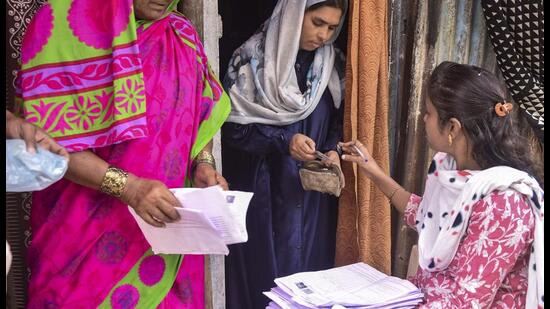
The Election Commission of India (ECI) has updated the electoral roll verification schedule for four additional states as part of a nationwide Special Intensive Revision (SIR), utilizing extensive field verification to ensure accurate voter lists.
Ensuring Democratic Integrity: Analysis of ECI's Electoral Roll Revisions
The Election Commission of India (ECI) has announced a critical update to its operational calendar, revising the electoral roll verification schedule for four additional states. This move is a key component of the nationwide Special Intensive Revision (SIR), a systematic effort designed to scrub, update, and validate the lists of eligible voters. By implementing these changes in phases, the ECI aims to manage the logistical complexities of one of the world's largest democratic exercises, ensuring that the voter registry is both inclusive and accurate.
The Mechanics of Special Intensive Revision (SIR)
The Special Intensive Revision (SIR) differs from routine annual updates by employing "extensive field verification." This process typically involves Booth Level Officers (BLOs) conducting door-to-door visits to verify the residency and eligibility of voters. This granular approach is essential for identifying "dead, shifted, or duplicate" entries that often plague large-scale databases. By revising the schedule for four more states, the ECI is ensuring that the verification process is tailored to the specific administrative capacities and regional timelines of those states, thereby reducing the risk of clerical errors and omissions.
Broader Implications for Electoral Legitimacy
Accurate electoral rolls are the bedrock of a fair and transparent election. When rolls are outdated or contain inaccuracies, it can lead to voter disenfranchisement or, conversely, open the door to electoral fraud. The ECI's commitment to a phased, intensive verification process signals a proactive approach to mitigating these risks. By ensuring that every eligible citizen is registered and that ineligible entries are removed, the Commission strengthens the legitimacy of the eventual election results and maintains public trust in the democratic process.
Historical Context and Logistical Challenges
Historically, managing the Indian electoral roll has been a monumental task due to the country's massive population and high internal migration rates. In previous decades, manual registries were prone to significant errors. The current shift toward a more structured SIR, combined with increasing digitalization, represents an evolution in electoral management. The decision to implement these revisions in phases across various states and Union Territories reflects a strategic understanding of India's diverse geographic and demographic landscape, allowing the ECI to allocate resources efficiently without overwhelming local administrative machineries.
Future Trends in Voter Registration
Looking forward, the ECI is likely to further integrate technology into the SIR process. While field verification remains the gold standard for accuracy, the integration of AI-driven deduplication tools and the linking of electoral rolls with other government databases could streamline future revisions. The current focus on four additional states serves as a bridge toward a more seamless, perhaps semi-automated, verification system that maintains the human touch of field visits while leveraging data analytics to flag discrepancies more rapidly.
Conclusion
In summary, the revision of the electoral roll verification schedule for these four states is not merely an administrative adjustment but a vital step in safeguarding the integrity of the vote. By prioritizing field-level accuracy through the Special Intensive Revision, the Election Commission of India continues to refine its methodology to ensure that the electoral rolls are a true reflection of the eligible citizenry, thereby upholding the fundamental right to franchise.
Verification Required?