Home visits for flagged voters, ECINet review and Form 7 cap — SIR changes since ECI controversy broke
Source Entity
Latest News: Todays Latest News Headlines from India & World | Hindustan Times | Hindustan Times
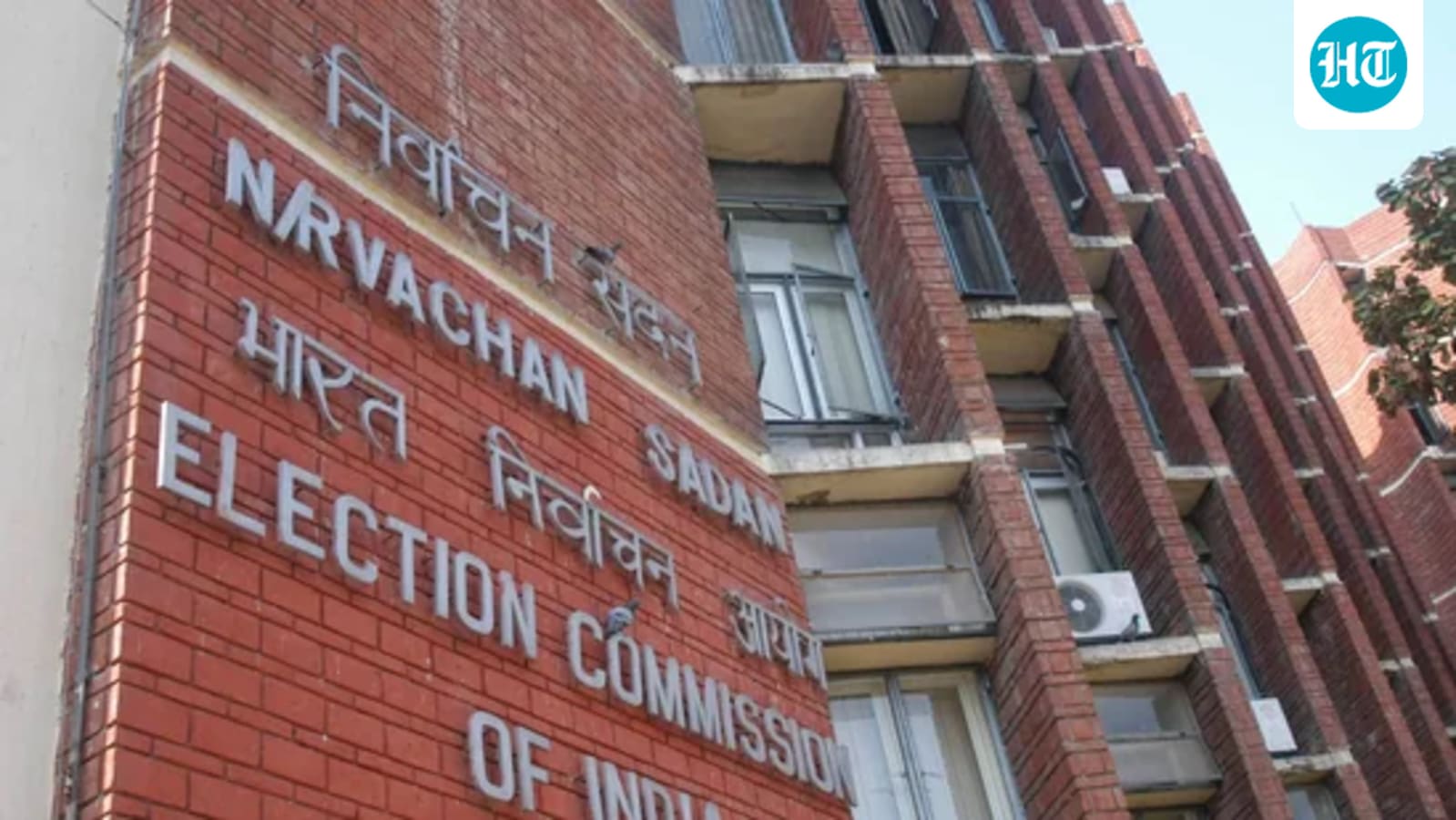
The Election Commission of India has implemented significant procedural reforms following internal dissent among commissioners regarding electoral roll revisions. Key changes include capping Form 7 objections and conducting a comprehensive review of the ECINet database software.
Evolution of Electoral Integrity: ECI Responds to Internal Dissent
Following reports of significant internal disagreement within the Election Commission of India (ECI), the institution has initiated a series of critical procedural adjustments aimed at refining the Special Intensive Revision (SIR) process. The friction, which surfaced publicly via reports of 14 separate objections raised by Election Commissioners Sukhbir Singh Sandhu and Vivek Joshi over a ten-month period, highlighted potential vulnerabilities in how decisions were being reached regarding voter registration and roll management.
Addressing Procedural Overreach and Transparency
The ECI’s decision to drop contested declarations from online voter-registration forms in states where the SIR has concluded marks a retreat from policies that had sparked internal controversy. By easing hearing requirements for voters flagged during the revision, the Commission appears to be prioritizing the mitigation of administrative hurdles for citizens. This shift is a direct response to concerns that existing protocols were overly burdensome or lacked the necessary consensus among the three-member body.
Technological Oversight: The ECINet Review
Central to these reforms is a comprehensive review of ECINet, the software infrastructure underpinning the nation’s massive voter database. The reliance on digital platforms to manage electoral rolls necessitates absolute precision to prevent disenfranchisement. By ordering this review, the ECI is acknowledging that the integrity of India's democracy is inextricably linked to the reliability of its backend technology, ensuring that software updates and data management practices align with constitutional mandates.
Capping Form 7 and Preventing Voter Purging
One of the most consequential changes is the October 9 mandate to cap the number of Form 7 applications. Form 7 is the official instrument used for raising objections to voter entries, including requests for deletion. In the past, the unchecked use of this form has been cited by critics as a potential tool for mass voter suppression. By imposing a cap, the ECI is attempting to standardize the objection process, thereby protecting the electoral roll from arbitrary or malicious mass-deletion campaigns.
Broader Implications for Institutional Governance
The internal dissent involving Commissioners Sandhu and Joshi serves as a reminder of the vital importance of the ECI's collegial decision-making structure. The fact that the Commission has pivoted on several policies suggests a renewed focus on internal accountability. Moving forward, the ECI will likely face increased scrutiny regarding its decision-making transparency, necessitating a delicate balance between administrative efficiency and the safeguarding of democratic rights.
Future Trends in Electoral Management
Looking ahead, the ECI will likely continue to face challenges related to the digitalization of voter records. As the Commission integrates more technology into the SIR process, the need for robust software audits and clear, consensus-driven policy frameworks will remain paramount. The current reforms, while reactive to internal friction, represent a necessary evolution in maintaining public trust in India's electoral machinery.
Verification Required?