Ed Davey calls for immediate 10p cut to fuel duty
Source Entity
BBC News
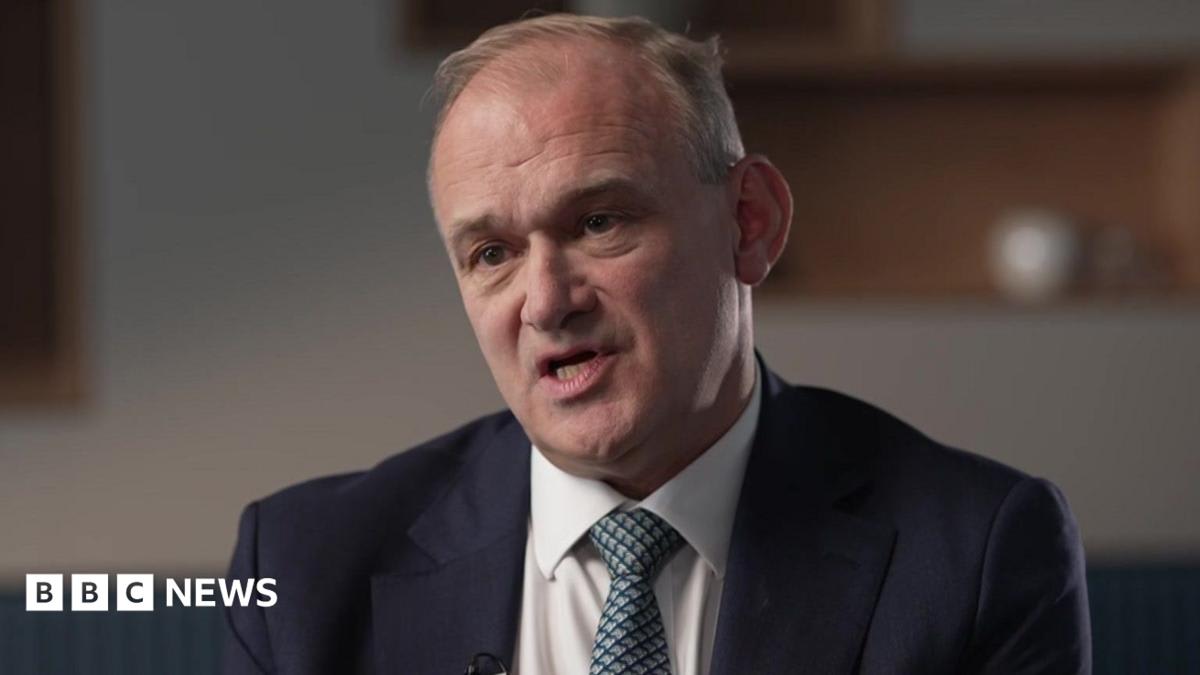
Liberal Democrat leader Sir Ed Davey has proposed a 10p-per-litre cut to fuel duty to combat the cost-of-living crisis. He argues this temporary relief would stimulate the economy and offset price hikes linked to geopolitical tensions.
The Liberal Democrat Proposal for Fuel Duty Reform
Sir Ed Davey, leader of the Liberal Democrats, has launched a significant policy intervention aimed at alleviating the ongoing cost-of-living crisis facing UK households. At the heart of his proposal is an urgent call for an immediate 10p-per-litre reduction in fuel duty, a measure he suggests should remain in place until Christmas. This proposal is framed not merely as a relief package, but as a strategic economic stimulus intended to lower the financial burden on drivers while encouraging broader consumer spending.
Geopolitical Drivers of Domestic Inflation
The rationale behind Davey's call for intervention is rooted in the current instability of global energy markets. Specifically, Sir Ed has linked the current high prices of petrol and diesel to the geopolitical friction between Donald Trump and Iran. By framing the domestic economic strain as a direct consequence of international conflict, Davey highlights how global volatility directly impacts the wallets of British citizens, necessitating proactive government intervention to shield the public from external shocks.
The Mechanics of the Proposed Cut
According to the Liberal Democrat calculations, a 10p reduction in government fuel duty would translate to a 12p-per-litre drop at the pump for consumers. This multiplier effect is central to the party's argument that the tax cut would be self-financing. By leaving more disposable income in the hands of commuters and logistics operators, the party contends that the resulting economic activity would offset the loss in tax revenue, effectively paying for the policy through increased growth.
Navigating the Current Policy Landscape
The current status of fuel duty is defined by a history of freezes and delays. While the Conservative government initiated a freeze in March 2022, Sir Keir Starmer’s current administration has largely maintained this trajectory. Notably, the government decided in May to delay a planned 3p increase—originally scheduled for September—until the end of the year. Davey’s proposal pushes this policy further by demanding the cancellation of a permanent duty increase currently slated for January.
Future Implications and Economic Strategy
The debate over fuel duty represents a fundamental tension in UK fiscal policy: the balance between maintaining tax revenue and mitigating inflationary pressures on essential goods. As the government approaches the end-of-year deadline for the currently frozen rates, the Liberal Democrat proposal serves as a pressure point for the administration. If adopted, the policy would represent a significant departure from current fiscal caution, prioritizing immediate cost-of-living relief over long-term revenue stability.
Concluding Outlook
Ultimately, Sir Ed Davey’s initiative underscores the political sensitivity of fuel prices in the UK. By positioning his party as the primary advocate for the motorist, Davey is attempting to influence the government’s upcoming fiscal decisions. Whether the administration chooses to extend the freeze or entertain the more drastic 10p cut will likely depend on the evolving state of the national budget and the government’s perception of the economic impact of global geopolitical tensions.