Mamata camp backs Congress in Nandigram bypoll after candidate withdraws nomination
Source Entity
The Indian Express
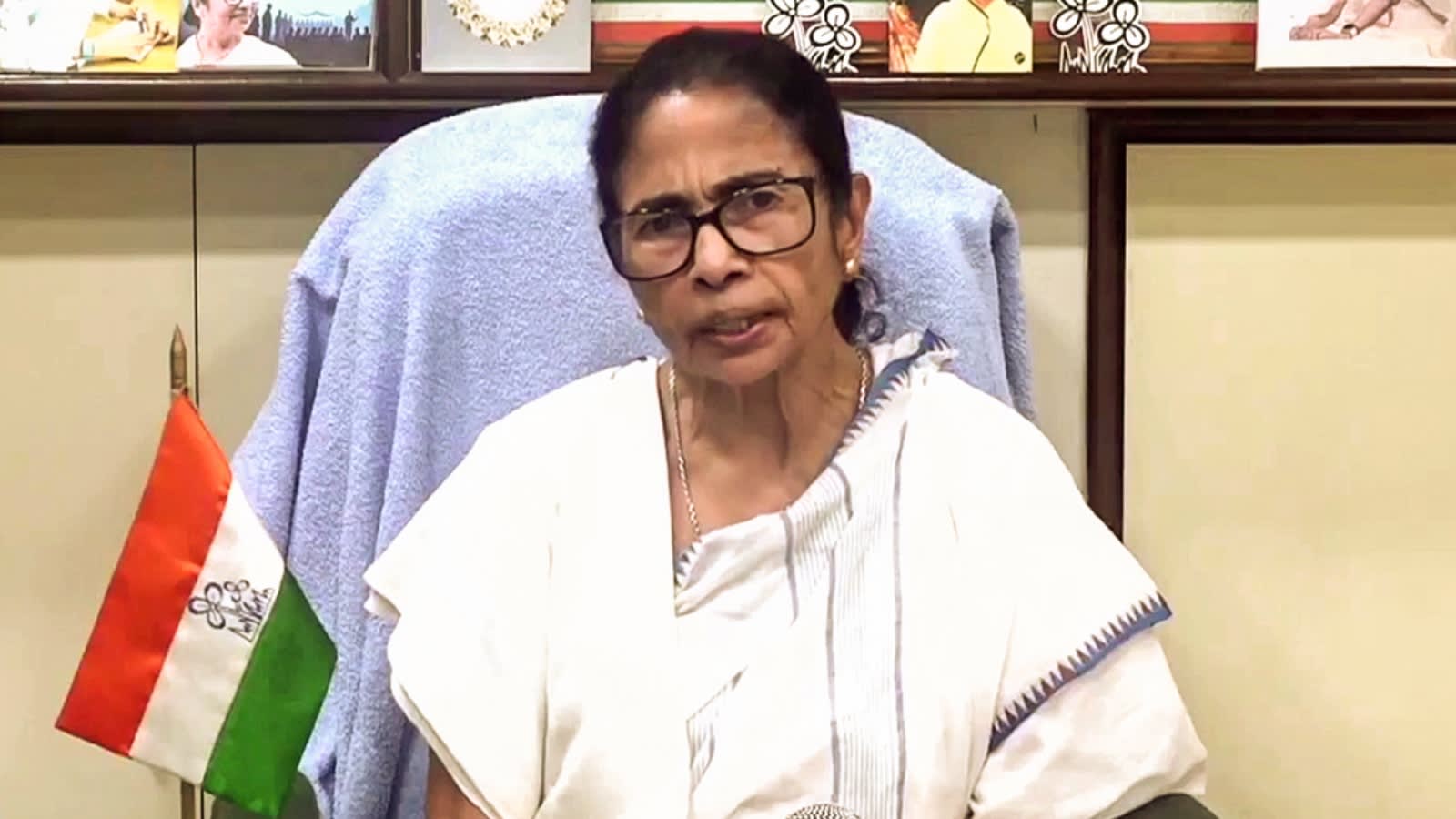
The Election Commission has frozen the Trinamool Congress (TMC) name and symbol for upcoming West Bengal bypolls due to an internal factional dispute. The Congress party has criticized the move, alleging it serves the interests of the ruling BJP government.
The TMC Crisis: A 72-Hour Political Storm
The West Bengal political landscape was thrown into turmoil following a turbulent 72-hour period for the Trinamool Congress (TMC). The party faced an unprecedented series of setbacks, culminating in an Election Commission (EC) directive that stripped the party of its identity—specifically its name and iconic symbol—for the duration of the upcoming assembly bypolls. This administrative intervention highlights the fragility of political organizational structures when internal fissures reach the threshold of official regulatory scrutiny.
The Election Commission’s Intervention
The core of the conflict stems from a direct confrontation between two factions within the TMC. Recognizing the potential for voter confusion and electoral malpractice, the Election Commission stepped in to bar both factions from utilizing the TMC name or its recognized symbol during the electoral process. By freezing these assets, the EC effectively leveled the playing field, forcing both sides to campaign without the established brand equity that typically defines West Bengal's political contests.
Political Backlash: Congress Weighs In
Predictably, the move sparked sharp criticism from opposition ranks. KC Venugopal, representing the Congress party, launched a scathing attack on the Election Commission, framing the decision as a "late-night birthday gift to Modi ji." This rhetoric underscores the deep-seated suspicion among opposition parties regarding the impartiality of constitutional bodies. By linking the EC's administrative timing to the interests of the BJP, the Congress is attempting to frame the crisis not merely as an internal party dispute, but as a broader democratic concern regarding state-level institutional alignment.
The Impact on the Bypolls
The immediate implications of this ruling are profound. With the party name and symbol sidelined, the TMC factions must now navigate the complexities of communicating with their base under new, temporary identities. In a political culture where the party symbol acts as the primary visual shorthand for voter loyalty, the loss of this identifier during a bypoll can significantly alter turnout dynamics and influence the final tally. This creates a high-stakes environment where candidate recognition and individual charisma become the primary drivers of success rather than party machinery.
Historical Context and Future Trends
This incident mirrors historical instances where internal party splits have led to regulatory interventions in India's electoral history. Whenever a party faces a schism, the struggle for the "official" party apparatus often becomes more intense than the contest against opposition parties. The trend of using the EC as a forum for settling internal disputes suggests that political parties must now prioritize robust internal mediation mechanisms to prevent administrative bodies from holding the power to effectively dissolve their public image during critical electoral windows.
Conclusion
Ultimately, the TMC's "rollercoaster" week serves as a stark reminder of the vulnerability of political brands in the face of internal fragmentation. While the breather on the third day offers a moment of respite, the long-term consequences of this legal and political deadlock remain uncertain. As the bypolls approach, both factions must now contend with the reality of an electoral arena where their familiar symbols are absent, forcing a re-evaluation of their strategic approach to voter engagement and party unity.
Multiple Citing Sources