Those using Form 6 to re-enroll won't be prosecuted: EC to SC
Source Entity
DHANANJAY.MAHAPATRA
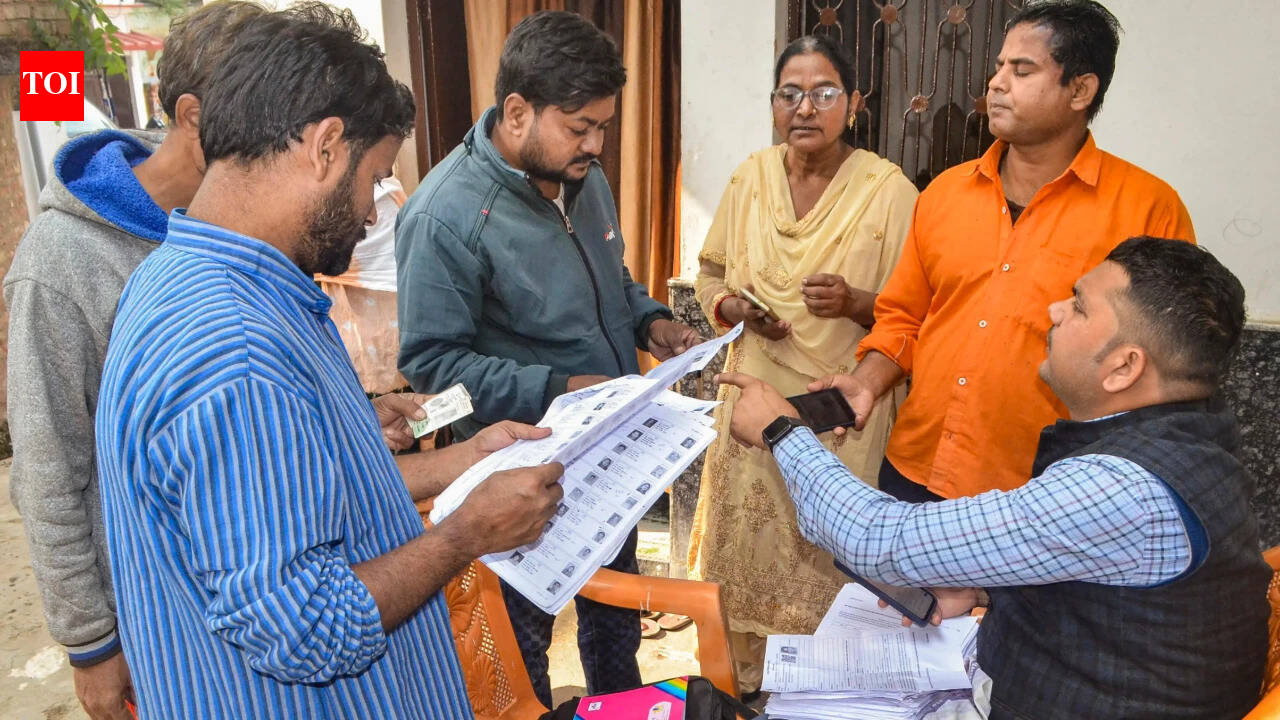
The Election Commission has assured the Supreme Court that citizens re-enrolling to vote via Form 6 will face no prosecution. Voters are encouraged to ensure their details are accurate and not duplicated across constituencies to facilitate a smooth electoral process.
Election Commission Clarifies Re-enrollment Policy
The Election Commission (EC) of India has provided a significant assurance to the Supreme Court regarding the integrity and accessibility of the electoral process. By confirming that citizens who utilize Form 6 for re-enrollment will not face legal prosecution, the commission aims to remove the fear of punitive action that may have previously deterred eligible voters from correcting their registration status. This move is a vital step in ensuring that the democratic right to vote remains accessible and free from bureaucratic intimidation.
Ensuring Universal Suffrage
At the heart of this directive is the EC's commitment to include every eligible citizen in the electoral rolls during the current revision process. In a democratic framework, the electoral roll is the foundational document that defines the electorate. By proactively encouraging re-registration, the EC is working to minimize disenfranchisement caused by administrative errors or past discrepancies. This policy shift suggests a move toward a more voter-centric approach, prioritizing participation over rigid procedural adherence.
Addressing Administrative Inconsistencies
Historically, voters who found their names missing from electoral rolls—often due to errors or systemic updates—have faced confusion regarding the legality of submitting fresh applications. By officially stating that fresh forms for reinstatement are permitted, the EC is rectifying past hurdles. This guidance provides a clear pathway for citizens who were previously removed erroneously, ensuring that their names are restored without the threat of legal repercussions for 'duplicate' or 'fraudulent' registration attempts.
The Responsibility of the Voter
While the EC has waived the threat of prosecution for re-enrollment, they have emphasized a crucial responsibility for the voter: ensuring their names are not listed in multiple constituencies. The integrity of the electoral roll relies heavily on the principle of 'one person, one vote.' By advising voters to check their existing registration status before applying, the commission is balancing the need for inclusivity with the necessity of maintaining a clean and accurate database of voters.
Broader Implications for Electoral Integrity
This directive reflects a broader trend toward digitizing and refining electoral processes to foster transparency. When the judiciary and the election body work in tandem to clarify procedures, it strengthens public trust in democratic institutions. By lowering the barriers to re-enrollment, the EC is not only protecting individual voting rights but also ensuring that the final electoral roll is an accurate reflection of the country's demographic reality.
Future Trends and Conclusion
Looking ahead, it is likely that the EC will continue to leverage technology to streamline the verification of electoral data, potentially reducing the frequency of erroneous removals. The current commitment to non-prosecution serves as an important precedent, signaling a shift toward encouraging voter engagement rather than punishing procedural errors. As India moves toward future electoral cycles, these efforts to sanitize and update the voter rolls will remain essential to maintaining the credibility of the democratic process.