Election Commission’s nine new decisions: What changes and what doesn’t
Source Entity
Ritika Chopra
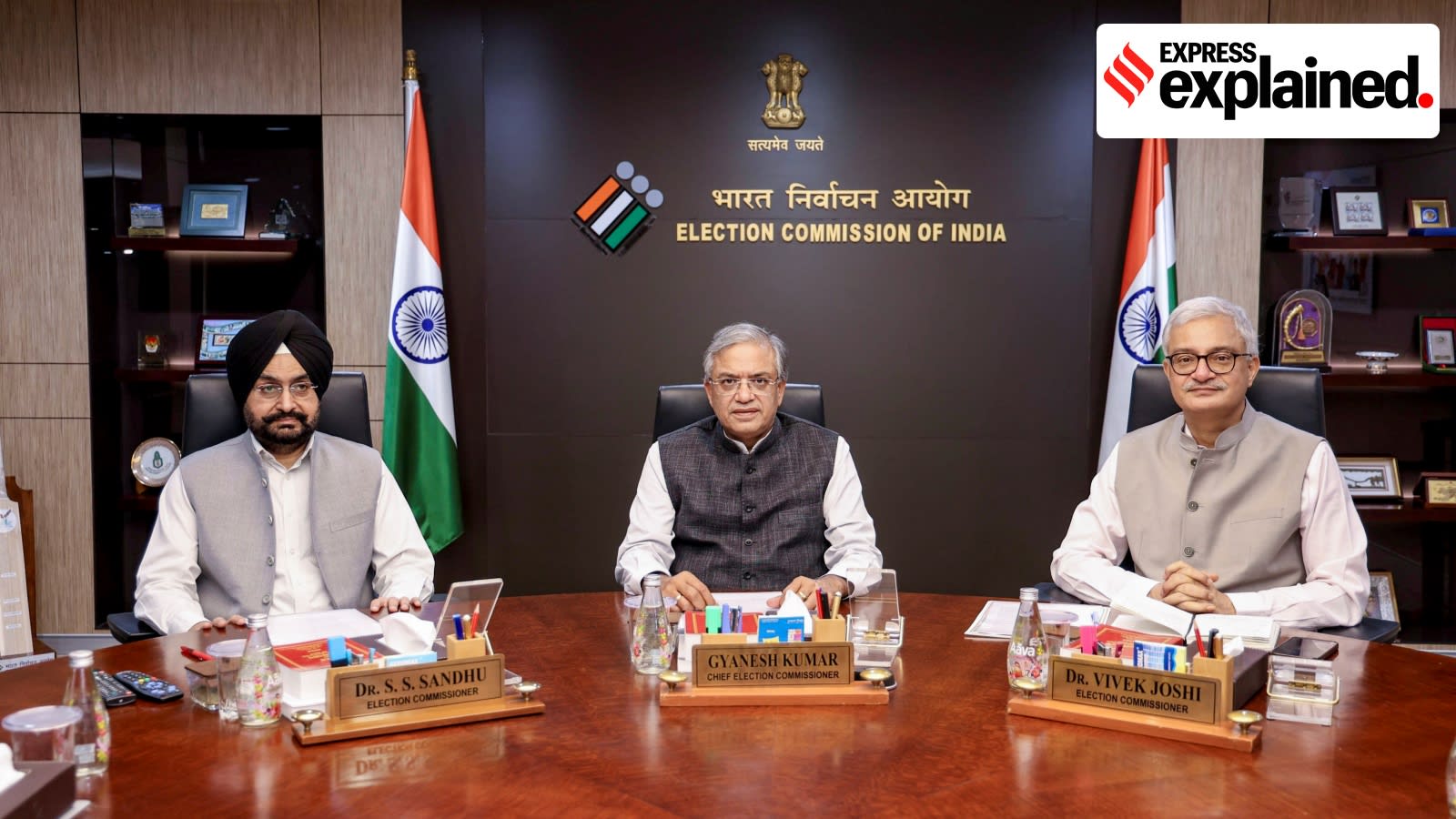
The Election Commission of India faces mounting scrutiny following the postponement of an event involving Commissioner Gyanesh Kumar and allegations of electoral irregularities. Political figures, including Union Minister Chirag Paswan and the Congress party, have demanded clarity and accountability from the poll body to maintain institutional integrity.
Scrutiny Over Election Commission Operations
The Election Commission of India (ECI) has recently found itself at the center of a growing political firestorm, characterized by administrative delays and vocal demands for transparency. The postponement of an event featuring Election Commissioner Gyanesh Kumar in Uttar Pradesh has served as a focal point for this tension. While the poll body has characterized these changes as routine adjustments necessitated by logistical and administrative factors, the timing of such shifts has invited intense public and political questioning regarding the commission's operational stability.
The Demand for Institutional Accountability
Union Cabinet Minister Chirag Paswan has publicly urged the Chief Election Commissioner to directly address the mounting doubts surrounding the ECI’s actions. Paswan emphasized that as a member of a political party, he lacks the mandate or access to internal commission affairs to offer a defense for the body. His position underscores a critical democratic principle: the onus of maintaining the ECI’s credibility lies solely with the institution itself. By calling for the Commissioner to clear the air, Paswan highlights the necessity for an independent body to proactively manage its own reputation when confronted with public skepticism.
Opposition Allegations and Protests
Simultaneously, the Congress party has escalated its criticism, specifically targeting the Special Intensive Revision (SIR) of electoral rolls. In Andhra Pradesh, the state Congress committee staged protests in Vijayawada, explicitly demanding the removal of Gyanesh Kumar. The opposition’s grievances center on alleged irregularities and the perceived centralization of voter data entry, which they argue undermines the foundational integrity of the electoral process. These demonstrations reflect a broader concern regarding the transparency of technical and administrative updates to voter rolls.
Legal and Procedural Implications
The demand for a judicial inquiry into what the Congress party terms "vote theft" signals a significant shift toward seeking external oversight of the ECI. By calling for the courts to take suo motu cognisance of these issues, political actors are attempting to move the debate from the political arena to the judicial system. This push for a formal investigation into the SIR exercise indicates that the opposition is not merely seeking political points but is actively challenging the procedural legitimacy of current election management practices.
Future Trends in Election Oversight
The current climate suggests an era of heightened vigilance regarding the ECI’s internal processes. As political parties continue to demand clarity on administrative decisions, the commission will likely face increased pressure to modernize its communication strategies. Future trends indicate that the ECI will need to balance its administrative autonomy with a greater requirement for public transparency to mitigate suspicion. Ensuring that every electoral revision is beyond reproach will be essential for the commission to preserve its status as a trusted constitutional authority in the eyes of both the electorate and the political class.
Multiple Citing Sources