FIR filed over alleged illegal deletion of 778 voters in Bengaluru’s Malleswaram
Source Entity
Atiya Firdos
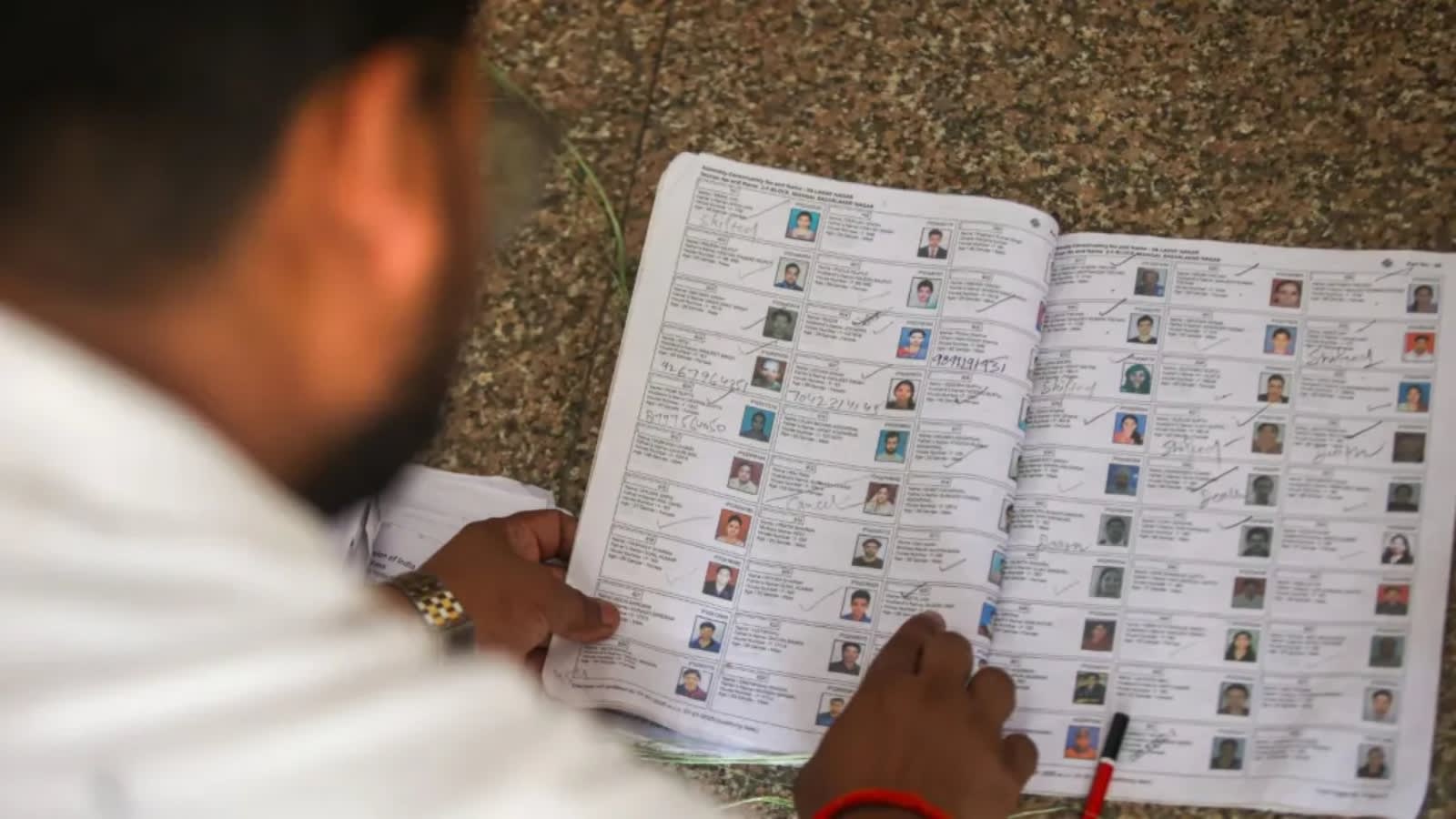
Electoral integrity is under scrutiny as Uttarakhand initiates a corrective drive for missing voters and Bengaluru police investigate alleged mass fraudulent deletions in the Malleswaram constituency. These developments highlight systemic vulnerabilities in the voter registration process and the misuse of Form 7 applications.
Integrity of Electoral Rolls Under Scrutiny
The integrity of India's electoral process has come under significant focus following reports of discrepancies in voter rolls in both Uttarakhand and Karnataka. In Uttarakhand, despite the conclusion of the Special Intensive Revision (SIR), the Election Commission of India (ECI) has ordered a corrective drive to re-enrol voters who were present on previous lists but are notably absent from the current one. This reactive measure underscores the challenges the ECI faces in maintaining accurate, up-to-date electoral databases during large-scale revisions.
The Mechanics of Voter Deletion
Central to these controversies is the use of Form 7, which is intended for the deletion of names from the electoral roll due to death, migration, or ineligibility. In Bengaluru’s Malleswaram constituency, an FIR has been registered following allegations that this form was weaponized to illegally remove 778 voters. The complaint, filed by Congress leader Anoop Iyengar, suggests a coordinated effort to manipulate records, even for individuals who had previously cast their votes, by falsely claiming they had shifted residence or become ineligible.
Legal Implications and Accountability
The FIR in Bengaluru, registered under the Bharatiya Nyaya Sanhita (BNS), 2023, marks a significant escalation in how electoral fraud is handled. By citing specific sections of the BNS, authorities are signaling a stricter approach to administrative manipulation. The scale of the alleged deletion at Polling Station No. 157 highlights a critical vulnerability: the potential for bad actors to exploit administrative procedures to disenfranchise specific voter segments.
Administrative Challenges in Uttarakhand
Meanwhile, in Uttarakhand, the ECI’s directive for Booth Level Officers (BLOs) to conduct a door-to-door verification of missing voters serves as an admission that the initial SIR process failed to capture a segment of the electorate. This 'special drive' across 20 states and Union Territories reflects a broader nationwide concern regarding the scale of deletions. The requirement for BLOs to compare old and new rolls is a labor-intensive but necessary step to restore public confidence in the electoral machinery.
Broader Implications for Democracy
The intersection of these events points to a systemic issue regarding the oversight of voter roll management. When administrative tools like Form 7 are allegedly used for voter suppression, the democratic process is fundamentally undermined. The ECI’s intervention in Uttarakhand and the police intervention in Bengaluru represent two different, yet complementary, methods of addressing these threats: administrative correction and criminal investigation.
Future Trends and Outlook
Looking ahead, it is likely that the ECI will implement more stringent verification protocols for the submission of Form 7 applications to prevent mass, unauthorized deletions. As the digital transformation of electoral records continues, the ability to audit changes in real-time will become essential. The ongoing scrutiny in Karnataka and Uttarakhand will likely serve as a case study for future electoral reforms aimed at balancing administrative efficiency with the absolute necessity of safeguarding the right to vote.
Multiple Citing Sources