How the Elizabeth Holmes Doc 'You Can See Everything' Is Deceiving You
Source Entity
Hacker News
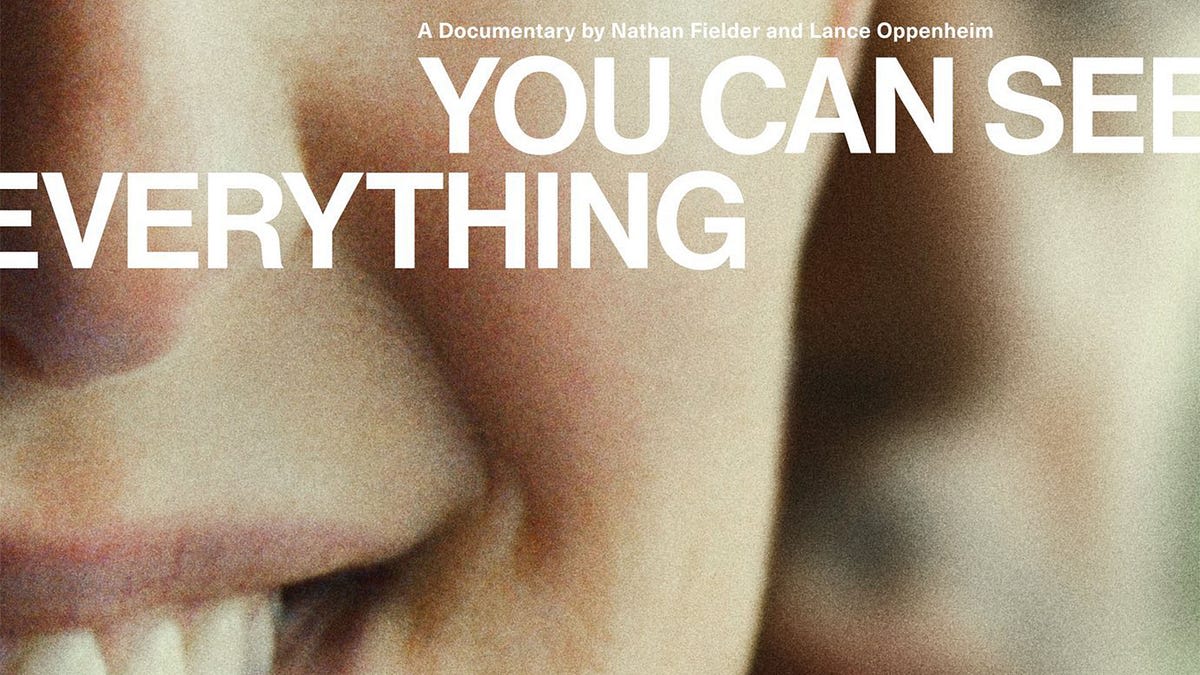
The documentary 'You Can See Everything' has sparked debate regarding its narrative framing of Elizabeth Holmes. Viewers argue the film employs deceptive storytelling techniques that shift focus from the Theranos scandal to the filmmakers' own editorial manipulation.
The Deceptive Lens: Analyzing 'You Can See Everything'
The recent release of the documentary You Can See Everything has ignited a fierce debate regarding the ethics of true-crime filmmaking. While the public discourse surrounding Elizabeth Holmes has historically focused on the fraudulent activities of her failed blood-testing startup, Theranos, this new production attempts to pivot the conversation toward the nature of storytelling itself. Critics and viewers alike are noting that the film does not merely report on the deception of Holmes, but arguably engages in its own form of narrative manipulation to influence audience perception.
The Shift from Subject to Spectacle
For years, the narrative surrounding Elizabeth Holmes has been dominated by questions of accountability, corporate fraud, and the culture of Silicon Valley hubris. By framing the documentary as a 'masterpiece in storytelling,' some viewers suggest that the film prioritizes aesthetic and structural intrigue over objective journalism. This shift in focus is significant because it potentially minimizes the gravity of the legal and ethical failures that led to Holmes’s imprisonment, replacing the victim-centric perspective with a fascination for the mechanics of the lie.
The Filmmaker as an Unreliable Narrator
A central point of contention is the allegation that the documentary deceives its audience in real-time. By utilizing cinematic techniques that obscure the line between objective fact and subjective interpretation, the filmmakers appear to be experimenting with the documentary format. This approach raises critical questions: Is it ethical to use the same tools of persuasion—the very 'storytelling' techniques attributed to Holmes—to frame a documentary about her downfall? When the medium mirrors the message, the audience is left to wonder if they are being informed or merely manipulated.
The Impact of Audience Perception
The reaction from theater-goers highlights a divide between those who view the documentary as an insightful look at the nature of truth and those who see it as a sympathetic or confusing revisionist take. The chatter online regarding whether the film is 'too sympathetic' to Holmes underscores the difficulty of documenting a polarizing figure. When a documentary fails to ground itself firmly in the known legal realities of the Theranos case, it opens the door for audiences to misinterpret the intent, or worse, to become desensitized to the actual harm caused by the subject’s actions.
Future Trends in True-Crime Media
As the genre of true crime continues to evolve, we are likely to see more 'meta-documentaries' that focus as much on the process of investigation as the crimes themselves. While this can lead to more nuanced storytelling, it also presents a risk of blurring facts. Future productions will need to navigate the fine line between creative expression and journalistic responsibility. If audiences feel they are being actively deceived by the filmmakers, the long-term credibility of the entire true-crime genre may suffer, leading to increased skepticism toward non-fiction media.
Conclusion: A Masterclass in Ambiguity
Ultimately, You Can See Everything serves as a case study in the power of narrative framing. Whether one views it as a brilliant subversion of the documentary form or a problematic exercise in deception, it has successfully forced a re-evaluation of how we consume stories about infamous figures. The film’s legacy will likely be defined by this tension, serving as a reminder that in the era of high-production media, the lens through which we view a story is just as important as the story itself.