Elon Musk was half-right in his comment last week about SoftBank back-pedaling on a gas-turbine order
Source Entity
Steve Goldstein
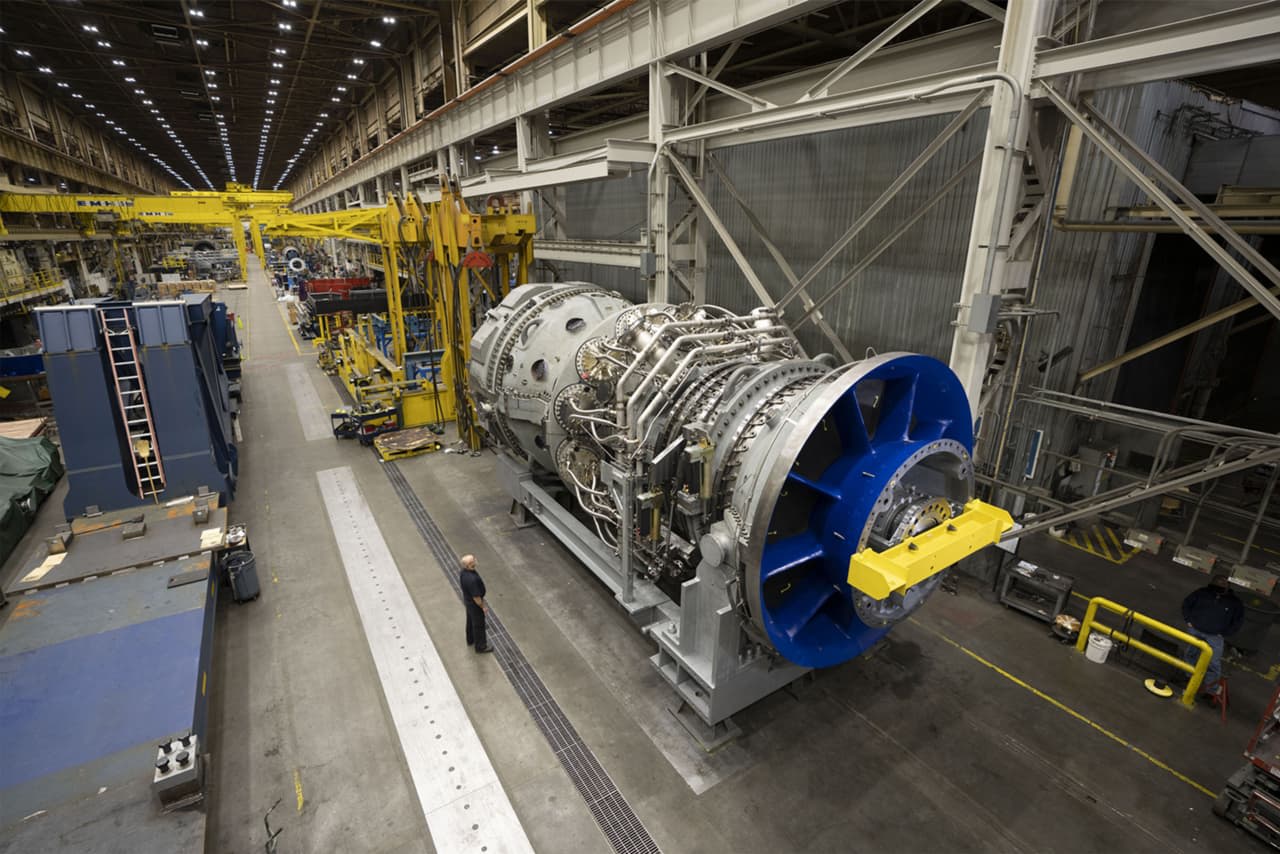
Elon Musk's recent claim regarding SoftBank's default on a gas-turbine order has been largely corroborated by the company's second-quarter earnings report. While the terminology of a formal 'default' is nuanced, the financial disclosures confirm a significant shift in SoftBank's strategic commitments.
Analyzing the SoftBank-Musk Turbine Controversy
Recent discourse surrounding billionaire Elon Musk and his public assertions regarding SoftBank’s business practices has sparked significant industry interest. Musk’s claim that the Japanese investment giant “defaulted” on a gas-turbine order was initially met with skepticism, yet recent disclosures from SoftBank’s second-quarter earnings report suggest that the core of his statement holds a substantial degree of factual accuracy.
Dissecting the Claim and the Disclosure
When Musk utilizes social media to call out corporate entities, the impact is often immediate, causing market analysts to scrutinize the underlying financial data. In this instance, the assertion of a “default” was not merely hyperbole. The subsequent release of SoftBank's quarterly earnings provided the necessary context to bridge the gap between Musk’s public commentary and the reality of the firm’s contractual obligations. It appears that SoftBank’s strategic pivot led them to abandon or significantly alter their commitment to these energy assets, validating Musk's observation that the company had effectively reneged on the order.
Strategic Shifts in Investment
SoftBank has long been known for its aggressive and often shifting investment strategies under Masayoshi Son. The move to distance itself from traditional industrial hardware like gas turbines reflects a broader trend within major venture capital and investment holding companies. By choosing to walk away from these commitments, SoftBank is signaling a preference for liquidity or alternative investment vehicles, potentially prioritizing AI and technology sectors over traditional energy infrastructure.
The Role of Public Accountability
This incident highlights the growing influence of high-profile industry leaders in maintaining corporate accountability. By leveraging social media to highlight potential defaults or broken contracts, figures like Musk bring transparency to business dealings that might otherwise remain obscured within dense quarterly filings. This trend forces public companies to be more forthcoming with their operational failures and strategic reversals, as they are now subject to immediate, high-visibility scrutiny.
Future Implications for Energy Infrastructure
As major conglomerates like SoftBank re-evaluate their portfolios, the energy sector faces uncertainty. The cancellation or default on gas-turbine orders disrupts supply chains and impacts manufacturers who rely on these large-scale investments for revenue stability. Moving forward, suppliers will likely demand more robust contract protections and deposits to mitigate the risks posed by the volatile investment strategies of major holding companies.
Conclusion
Ultimately, the situation serves as a prime example of the intersection between corporate strategy and public perception. While the terminology of “default” may be subject to legal interpretation, the underlying truth is clear: SoftBank’s decision to backtrack on its industrial commitments has real-world consequences. As investors and stakeholders digest these findings, the focus remains on how such large-scale firms will manage their future commitments in an increasingly unpredictable global economy.
Verification Required?