New technical education routes to be offered at 14 in England
Source Entity
BBC News
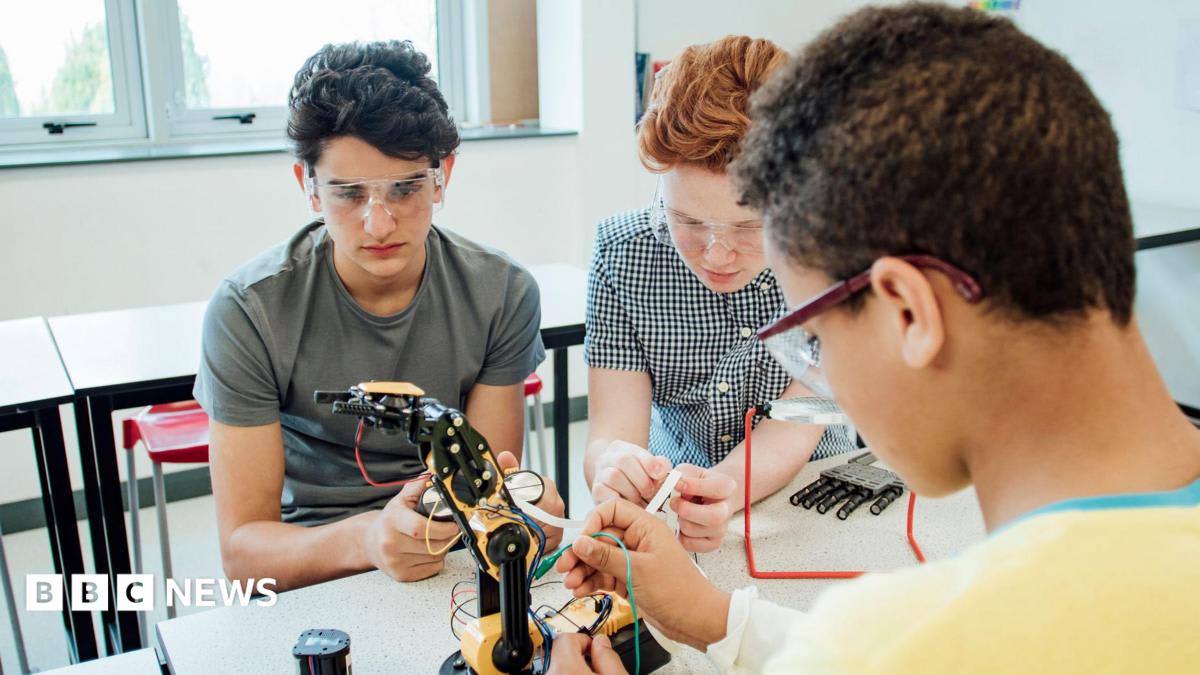
The UK government is introducing technical education pathways in AI and manufacturing for 14-year-olds to better align schooling with local job markets. This initiative aims to reduce the rising number of young people not in education, employment, or training.
Bridging the Skills Gap: England's New Technical Education Strategy
The UK government has announced a significant shift in secondary education policy, introducing technical subjects such as artificial intelligence and manufacturing for students as young as 14. This initiative, which begins at the Year 10 level, is designed to integrate specialized vocational training alongside traditional academic curricula. By tailoring these offerings to reflect the specific labor demands of local industries, the government hopes to create a more direct pipeline between the classroom and the workforce.
Addressing the NEET Crisis
This policy shift is largely a response to a concerning trend in the UK labor market. Recent data has revealed that the number of young people categorized as 'NEET'—not in education, employment, or training—has exceeded one million, marking the highest level seen in over 12 years. This demographic represents a significant economic and social challenge, suggesting that the current education system is failing to engage a portion of the youth population effectively. By introducing technical routes earlier, the government aims to provide viable, attractive alternatives to purely academic paths, potentially curbing the growth of this marginalized group.
Regional Economic Alignment
Linking education to 'local jobs' is a strategic attempt to solve regional economic disparities. Historically, the UK has struggled with a mismatch between the skills taught in schools and the requirements of regional industries. By focusing on manufacturing and AI, the government is signaling a commitment to modernization and industrial growth. This localized approach allows schools to act as hubs for regional development, ensuring that the next generation of workers is equipped with the specific competencies needed to thrive in their immediate geographic areas.
Implementation and Academic Integration
While the ambition is clear, the practical execution remains a point of contention. School leaders' unions have expressed a cautious welcome to the proposals, emphasizing that the success of these programs depends entirely on implementation details. There is a pressing need for clarity regarding how these technical modules will be integrated into the existing school day without undermining core academic requirements. Furthermore, the question of long-term funding remains a critical hurdle that must be resolved to ensure the sustainability of these new pathways.
Shifting Educational Philosophies
For decades, the prevailing narrative in the UK education system has prioritized traditional academic subjects as the primary indicator of success. Prime Minister Andy Burnham has indicated that this 'academic-only' focus has been long-standing, and the current administration is pushing for a cultural shift. This policy suggests a move toward a more pluralistic view of education, where technical proficiency is valued equally alongside traditional academic attainment. If successful, this could fundamentally alter the trajectory of the English secondary school system, creating a more diverse and resilient workforce for the future.