Trump methane policy rollback may have minimal impact on crude prices, EPA says
Source Entity
US Top News and Analysis
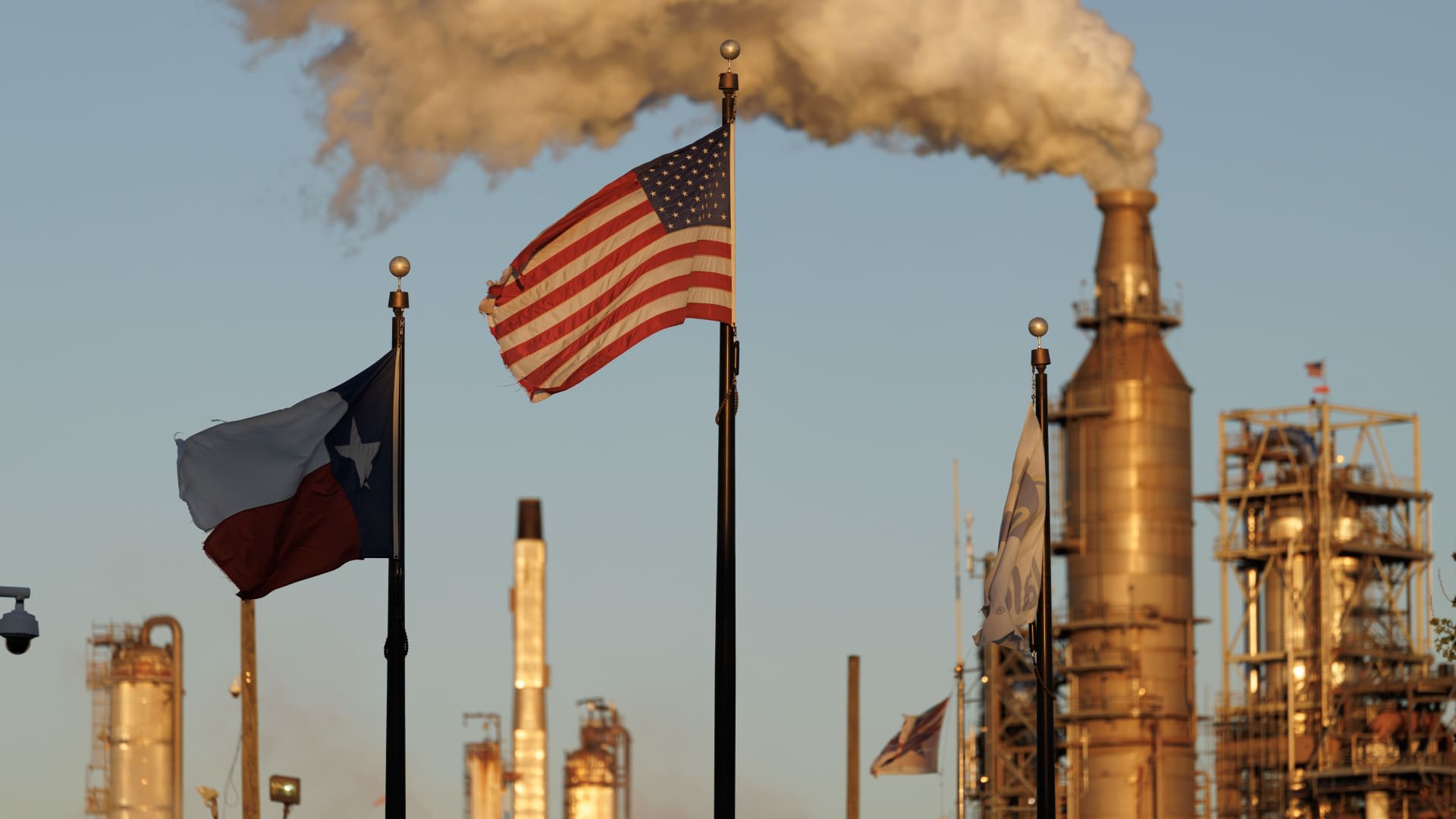
The EPA estimates that the proposed rollback of methane regulations under the Trump administration will result in negligible impacts on crude oil prices and production. Officials argue the move aims to reduce regulatory burdens, though data suggests the output increase will be minimal.
The Economic Impact of Methane Deregulation
Recent announcements by the Environmental Protection Agency (EPA), led by Administrator Lee Zeldin and supported by the Trump administration, signal a significant shift in energy policy. By proposing a rollback of established methane regulations, the administration aims to lower the operational costs associated with oil and gas extraction. The stated objective is to stimulate domestic production and provide economic relief, with Zeldin asserting that reduced regulatory barriers ultimately benefit the American consumer through lower energy prices.
Analytical Projections and Market Realities
According to official EPA projections, the tangible impact of these policy changes on the global energy market is expected to be remarkably small. Forecasts suggest that by 2027, the rollback would lower U.S. crude oil prices by approximately 11 cents per barrel, representing a marginal 0.14% decrease. This analysis suggests that despite the significant political capital invested in deregulation, the direct influence on pump prices and market stability remains statistically minimal.
Production Gains and Efficiency
Beyond price fluctuations, the EPA estimates that domestic oil production will see a slight uptick of 0.09% as a result of the policy shift. To put this figure into perspective, industry calculations suggest that this increase equates to roughly one additional barrel of oil for every 1,000 currently produced. This indicates that while the regulatory environment is becoming more permissive, the actual physical output of the U.S. oil sector is unlikely to experience a transformative surge.
The Geopolitical and Industrial Context
It is important to view these policy adjustments against the backdrop of the current global energy crisis. The oil market is currently navigating the aftermath of the Iran war, which has led to what is described as the worst supply disruption in history. With facilities like the Valero Houston Refinery operating within this highly volatile landscape, the domestic regulatory changes are being framed by the administration as a necessary step toward stabilizing the energy sector and insulating the U.S. economy from external shocks.
Conclusion: Assessing the Long-Term Outlook
While the administration maintains that these rollbacks are essential for energy independence and cost-efficiency, the data provided by the EPA itself suggests that the broader market impacts will be modest at best. As the U.S. continues to balance environmental oversight with the need for reliable energy supplies, the debate over methane policy remains a cornerstone of the nation’s economic strategy. Ultimately, the proposal highlights a fundamental tension between regulatory reduction and the realities of a globalized oil market where supply disruptions far outweigh the impact of domestic policy tweaks.