Men deported from US bound and beaten in Equatorial Guinea detention hotel, lawyers say
Source Entity
Maanvi Singh
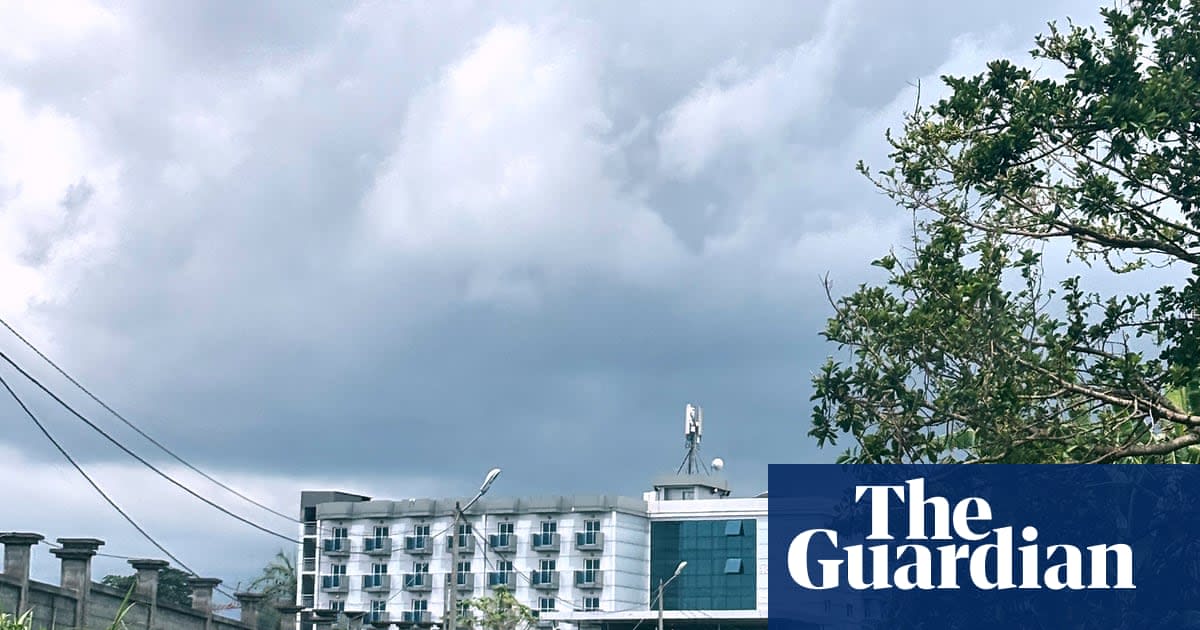
Two men deported from the U.S. to Equatorial Guinea were reportedly brutalized by local authorities after speaking to the media. The incident has raised severe concerns regarding the safety of approximately 30 remaining detainees held in a Malabo hotel.
The Crisis of Deportation and Human Rights
Recent reports surfacing from Equatorial Guinea have cast a grim spotlight on the treatment of individuals expelled from the United States. Two men, originating from Egypt and Eritrea, were allegedly subjected to severe physical abuse—including being bound, hooded, and pushed down stairs—by local officials. This violence occurred in the presence of other U.S. deportees, marking a significant escalation in the treatment of those currently held in a detention hotel on the outskirts of Malabo.
The Price of Whistleblowing
The motive behind this targeted violence appears to be retaliatory. According to witness testimony and statements from human rights lawyers, the victims had previously spoken to the press and advocates regarding the squalid and dangerous conditions within the detention facility. By silencing these men through physical force, authorities in Equatorial Guinea have sent a chilling message to the remaining 30 detainees, who now live in a state of constant terror, fearing they may be the next subjects of state-sanctioned retribution.
Broader Implications for U.S. Deportation Policy
The involvement of the U.S. government in this chain of events raises profound ethical and legal questions. While the expulsions were carried out by the Trump administration, the ongoing plight of these detainees highlights the potential dangers of deporting individuals to nations with poor human rights records. When the U.S. transfers custody of detainees to foreign governments, it incurs a moral responsibility to ensure their safety, a standard that appears to have been catastrophically failed in this instance.
The Fragility of International Oversight
Human rights advocates have been sounding the alarm for months regarding the conditions at the Malabo hotel. This incident serves as a stark reminder of the limitations of international oversight when dealing with regimes that prioritize control over basic human dignity. The fact that such violence took place in a facility housing individuals recently processed by the U.S. suggests a breakdown in diplomatic monitoring and protective protocols that are ostensibly meant to accompany deportation agreements.
Future Trends and Concluding Thoughts
Looking forward, this case is likely to ignite intense debates regarding the U.S. government’s vetting processes for deportation destinations. If the international community fails to pressure Equatorial Guinea to ensure the safety of the remaining detainees, the risk of further violence remains high. This tragic situation serves as a sobering case study on the intersection of migration policy, state sovereignty, and the persistent struggle for human rights in the global arena.