'Graveyard of Saudi ambition': Why the Houthis remain Riyadh's biggest headache
Source Entity
VIVEK DUBEY
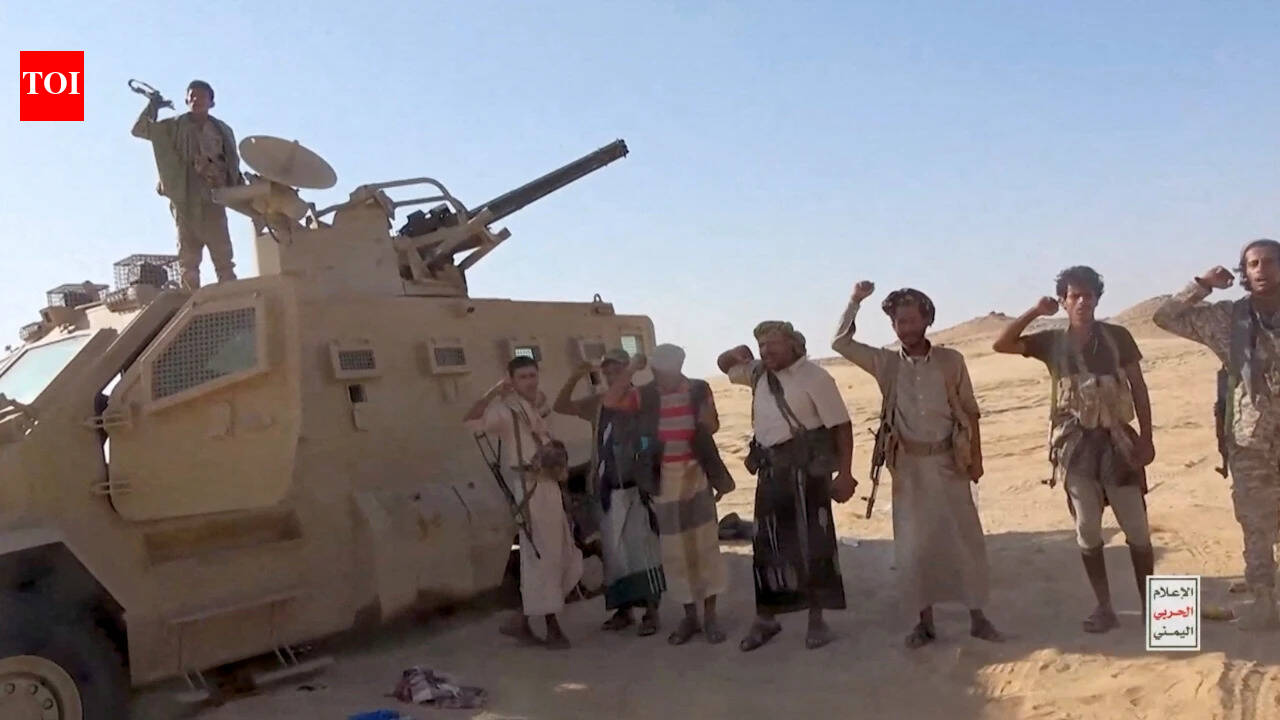
The Houthi militia has significantly escalated its conflict with Saudi Arabia, recently capturing the strategic port of Mocha. This expansion threatens Saudi oil routes and complicates regional stability despite Riyadh's existing defense partnerships.
The Resurgence of the Houthi Conflict
The ongoing conflict in Yemen has entered a volatile new phase, as the Houthi militia, officially known as Ansar Allah, has demonstrated a significant shift in military momentum. After years of a costly intervention that began in 2015, Saudi Arabia is facing the unraveling of its efforts to stabilize its southern border. Recent territorial gains by the Houthis, most notably the seizure of the strategic Red Sea port of Mocha on September 10, indicate a dramatic escalation that challenges the status quo of the Yemeni civil war.
Strategic Implications of the Red Sea Advance
By September 17, the Houthi militia had effectively consolidated control over large swaths of Yemen’s western coastline. This geographical expansion is not merely a tactical victory against the Saudi-backed Yemeni government; it serves as a direct threat to Saudi national security. The control of these coastal areas provides the Houthis with the capability to disrupt Saudi oil flows on the western coast. This development is particularly alarming for Riyadh, as its eastern shipping lanes are already compromised by the ongoing blockade of the Strait of Hormuz, pushing global oil prices beyond the $100 per barrel threshold.
The Failure of Defense Alliances
Questions have emerged regarding the efficacy of Saudi Arabia’s international security architecture. Despite maintaining formal defense pacts with major powers and regional allies—including the United States, Turkey, and Pakistan—these agreements have failed to prevent or mitigate the Houthi surge. The inability or unwillingness of these partners to engage directly in the current escalation highlights the limitations of traditional military alliances when confronted with asymmetric warfare and the specific geopolitical realities of the Yemeni theater.
Historical Roots: From Revivalism to Regional Power
To understand the current crisis, one must look at the origins of Ansar Allah. The movement emerged in the 1990s as a Zaidi Shia religious and cultural revivalist group, initially focused on addressing the perceived political and social neglect of the Zaidi community. Over the decades, this localized movement has evolved into a formidable regional actor, adept at navigating the complex interplay of tribal loyalties and geopolitical influence in West Asia. Their current capacity to challenge a state actor like Saudi Arabia reflects a transformation from a domestic insurgent group into a key component of Iran’s regional influence network.
Future Trends and Regional Instability
The current trajectory suggests a period of prolonged instability. The Houthi advancement is not an isolated event but rather a manifestation of deep-seated power struggles that define modern Arab society. As the group solidifies its hold on the Red Sea, the pressure on global energy markets and the sovereignty of the Yemeni state will likely intensify. The combination of fiscal strain from the 2015 intervention and the new threat to oil infrastructure suggests that Saudi Arabia faces a long-term strategic nightmare that defies simple military solutions.
Multiple Citing Sources