Trump says U.S. to build a 'large Military presence' in Greenland as part of a security deal with it and Denmark
Source Entity
US Top News and Analysis
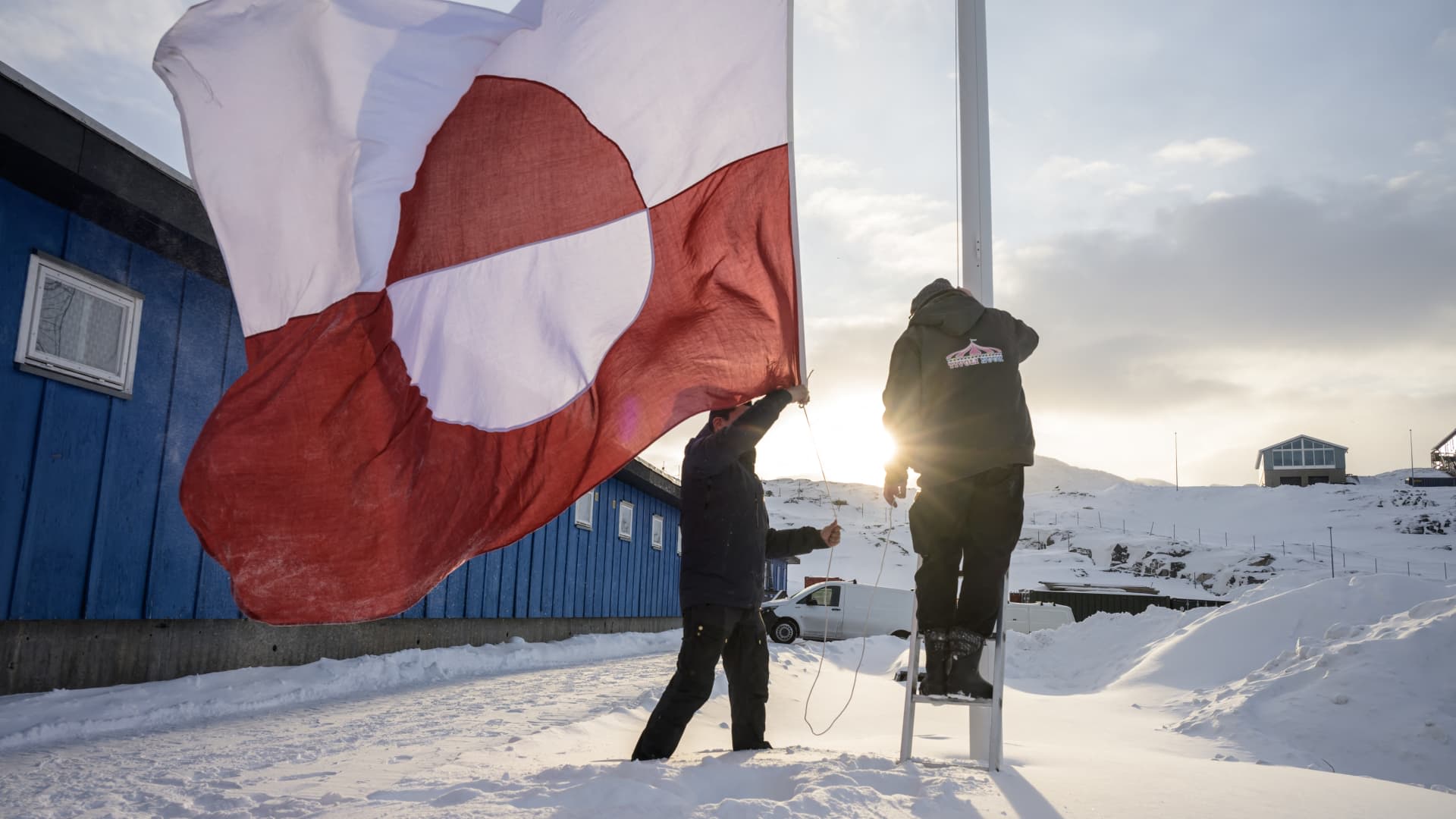
The United States, Denmark, and Greenland have reached a security agreement granting the U.S. expanded control over the island's defense and strategic interests. While President Trump claims this provides permanent security oversight at no cost, Danish officials have emphasized the deal's role in regional stability without confirming the specific scope of the U.S. claims.
A New Era for Arctic Security
The announcement of a trilateral agreement between the United States, the Kingdom of Denmark, and Greenland marks a significant shift in Arctic geopolitics. President Donald Trump has declared that this pact grants the United States "permanent control over security, and all other needs" within the Danish territory. This development follows months of intense international discourse regarding the strategic importance of Greenland, an island that has long been recognized for its critical role in North Atlantic defense and its vast, untapped mineral wealth.
Strategic Motivations and Historical Context
Greenland’s strategic value cannot be overstated. Already home to a long-standing U.S. military presence under previous defense agreements, the island serves as a vital node in the U.S. early-warning and defense architecture. President Trump’s recent emphasis on "permanent control" signifies a pivot from previous diplomatic norms toward a more assertive posture. This follows his earlier, highly publicized threats to "take" the island, which were met with resistance from both the Danish government and European Union partners who formally rebuked the notion of acquisition.
Discrepancies in Diplomatic Messaging
While the White House frames the agreement as a total victory for U.S. security interests, the narrative from Copenhagen remains more nuanced. Denmark’s Prime Minister has characterized the deal as a mechanism to "strengthen security in the Arctic and the North Atlantic area," yet has notably refrained from echoing the specific, sweeping language used by President Trump in his social media announcements. This gap in terminology suggests that while a deal is indeed being signed, the interpretation of "permanent control" may vary significantly between the American administration and its European counterparts.
The Future of Military Expansion
President Trump has publicly stated that the U.S. will immediately begin the process of establishing a "large Military presence" on the island. By framing this as a cost-free endeavor for the United States, the administration is attempting to justify the expansion as a logistical and defensive necessity. However, the exact operational scope remains to be seen, as Greenlandic authorities have historically maintained a firm stance that their territory is not for sale, despite their willingness to cooperate on regional security frameworks.
Implications for Global Stability
This agreement effectively cements the Arctic as a primary theater of 21st-century power projection. As climate change increases accessibility to the region’s shipping lanes and resources, the U.S. move to solidify its influence is a direct response to the growing interest from other global powers in the Arctic Circle. By securing this deal, the United States aims to preemptively address security concerns that have been a cornerstone of the current administration’s foreign policy agenda.
Conclusion
The formal signing of this agreement next week will likely serve as a flashpoint for international scrutiny. While the deal represents a diplomatic success in terms of securing an official accord between the three parties, the differing interpretations of the agreement’s scope suggest that the "permanent control" mentioned by the U.S. may be subject to future diplomatic interpretation. As the U.S. begins its military expansion, the world will be watching to see how this impacts the delicate balance of power in the North Atlantic.
Multiple Citing Sources