Equinor Profit Soars 93% as Oil and Gas Price Spike Fuels Windfall
Source Entity
Yahoo Finance
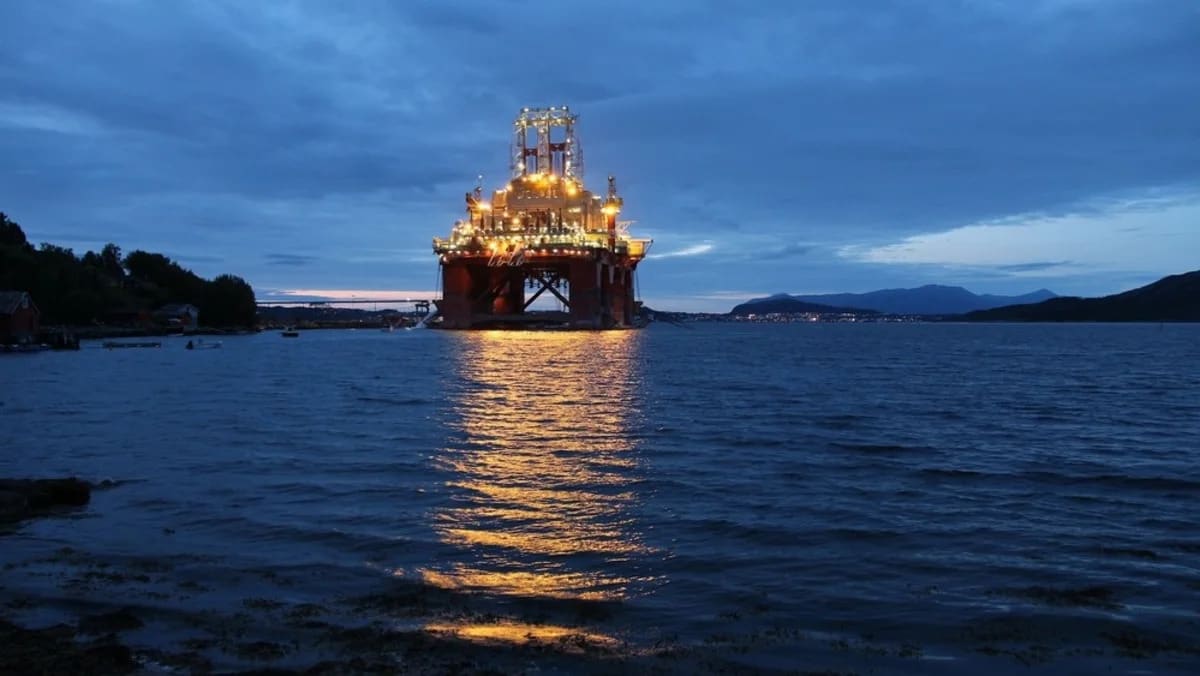
Equinor reported a 93% surge in second-quarter profits, driven by rising global oil and gas prices amid Middle East geopolitical tensions. Despite these record gains, the results slightly missed analyst expectations for adjusted operating income after tax.
Equinor's Financial Surge: A Market Analysis
Equinor (EQNR:NYSE) has reported a staggering 93% increase in its second-quarter profit compared to the previous year, highlighting the profound impact that geopolitical instability can have on global energy markets. The Norwegian energy giant’s adjusted operating income after tax reached $3.225 billion, a significant leap from the $1.670 billion recorded during the same period in the prior year. This financial performance serves as a stark indicator of how the current Middle East crisis has fundamentally altered the supply-demand dynamics of the global energy sector.
Geopolitical Drivers of Market Volatility
The primary catalyst for this windfall has been the sharp escalation in oil and gas prices stemming from regional volatility in the Middle East. As a major supplier to European markets, Equinor has positioned itself to capitalize on the heightened demand for non-Russian energy sources. The surge in European natural gas prices has been particularly influential, acting as a direct transmission mechanism for the profits seen in the company's latest quarterly report.
Dissecting the Financial Metrics
While the 93% jump in after-tax profit is headline-grabbing, a deeper look at the adjusted operating income reveals a more nuanced picture. The company reported an adjusted operating income of $11.482 billion, which represents a 76% increase over the $6.535 billion posted last year. Interestingly, this figure outperformed the analyst consensus projection of $11.37 billion, demonstrating Equinor's robust operational efficiency despite the broader economic uncertainty.
The Balancing Act of Global Markets
Equinor's performance was not without its headwinds. The report noted that while liquid prices and European gas prices soared, these gains were partially offset by lower natural gas prices in the United States. This divergence in regional pricing strategies illustrates the complexity of managing a global energy portfolio. It highlights how multinational energy firms must navigate disparate market conditions, where high prices in one jurisdiction can be tempered by localized downward trends in another.
Implications for the Energy Sector
This windfall for Equinor is representative of a broader trend among the world's largest energy firms. As these companies generate record-breaking profits, they face increasing pressure from stakeholders regarding capital allocation—specifically the balance between shareholder dividends, stock buybacks, and investments in renewable energy transitions. The current geopolitical climate suggests that these elevated price levels may persist, potentially leading to sustained windfall earnings.
Future Trends and Concluding Summary
Looking forward, Equinor is likely to remain a focal point for investors tracking the energy transition and geopolitical risk. The company's ability to maintain high margins in a volatile environment suggests a resilient operational model. However, the reliance on price spikes as a primary driver of growth remains a long-term risk factor. In summary, Equinor’s second-quarter results underscore the volatility of the current energy landscape, where geopolitical tension acts as a powerful engine for corporate profit, albeit one that is subject to intense market scrutiny and regional price variances.