Why did ESPN fire Ryan Clark? Viral Peter Schrager argument resurfaces amid analyst's layoff reports
Source Entity
Latest News: Today's Latest News Headlines from India & World | Hindustan Times | Hindustan Times
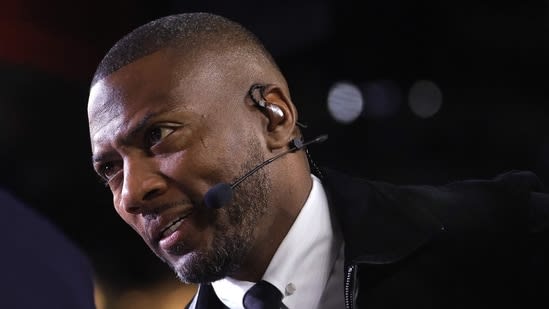
ESPN has parted ways with veteran NFL analyst Ryan Clark following difficult contract negotiations. The move has sparked speculation due to a resurfaced on-air confrontation between Clark and Peter Schrager.
The Departure of a Media Fixture
The sports media landscape was jolted by reports from The Athletic that ESPN has parted ways with veteran NFL analyst and former Pittsburgh Steelers safety, Ryan Clark. A fixture on the network’s flagship programming, Clark’s exit marks a significant shift in ESPN’s talent roster. While the network has remained silent regarding the specific rationale behind the decision, the news follows a challenging 2024 contract negotiation period where Clark was reportedly earning an annual salary exceeding $2 million.
Financial Pressures and Strategic Shifts
The sports broadcasting industry is currently undergoing a period of intense contraction and strategic realignment. As networks grapple with the transition from traditional cable models to streaming-first ecosystems, high-cost talent contracts are increasingly under the microscope. With Clark’s compensation package reaching seven figures, his departure is likely reflective of broader fiscal austerity measures within ESPN, as the company prioritizes operational efficiency in an era of cord-cutting and fragmented viewership.
The Resurfacing of Past Tensions
Following the announcement, social media discourse has fixated on a specific, high-profile incident from last year involving Clark and NFL reporter Peter Schrager. During a heated segment on the show Get Up, the two engaged in an on-air confrontation that drew considerable attention at the time. Although Clark issued a public apology following the exchange, the resurfacing of this footage suggests that internal friction or behavioral concerns may have played a role in the network's evaluation of his long-term viability as a lead analyst.
The Changing Nature of Sports Analysis
The role of the 'analyst' in modern sports media has evolved from simple game commentary to a personality-driven model that often necessitates high-stakes debate. This shift frequently exposes talent to intense public and internal scrutiny. When professional disagreements turn into viral on-air conflicts, they can create reputational risks for networks that pride themselves on a specific brand of professional discourse. This incident highlights the delicate balance analysts must strike between delivering 'hot takes' and maintaining professional decorum.
Broader Industry Implications
Looking ahead, ESPN’s decision to move on from a prominent voice like Clark signals a potential shift in how networks manage their 'star' talent. If the network is willing to let go of a high-earner despite his established rapport with audiences, it suggests that future contracts will likely be tied more strictly to performance metrics and internal cultural alignment. This trend could lead to a more cautious era of sports punditry, where individual analysts are under greater pressure to avoid controversies that might jeopardize their standing with corporate leadership.
Conclusion
The separation between ESPN and Ryan Clark represents a confluence of fiscal reality and organizational culture. Whether this decision was driven primarily by the financial constraints of a changing media market or by the cumulative weight of past on-air tensions, it serves as a stark reminder of the volatility inherent in sports media. As the industry continues to evolve, the departure of such a prominent figure will undoubtedly set a precedent for how networks negotiate the complex relationship between talent, viewer engagement, and corporate brand safety.
Verification Required?