Ethereum dev targets 2028 for quantum resistance, a year early
Source Entity
Cointelegraph by Ezra Reguerra
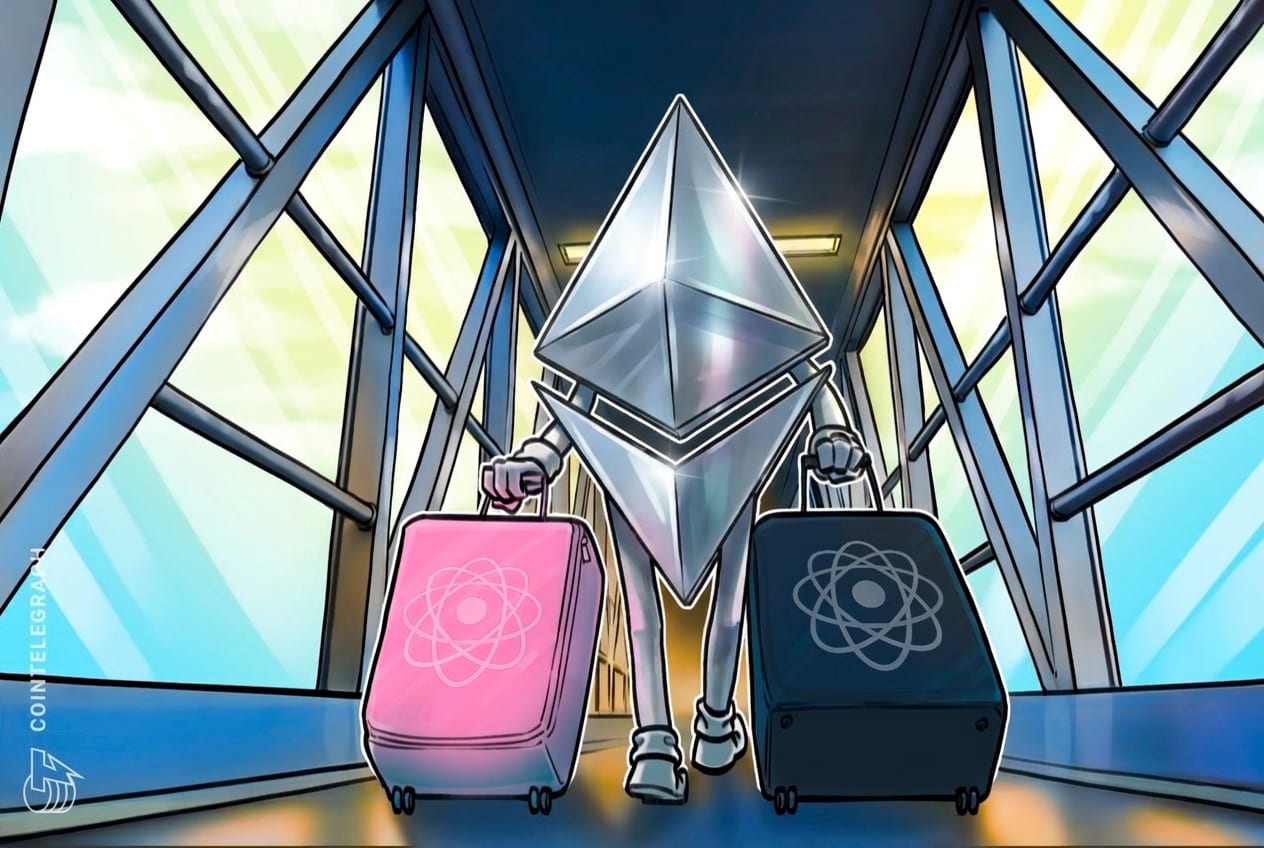
Ethereum researcher Justin Drake has proposed an accelerated timeline for achieving post-quantum and post-AI security, targeting December 2028. This shift aims to fortify the network's core layers a year ahead of the previously established 2029 roadmap.
Accelerating Ethereum’s Quantum Defense
At the recent Devcon 8 event in Mumbai, Ethereum Foundation researcher Justin Drake announced an ambitious recalibration of the network’s security roadmap. By targeting December 2028 for the completion of a full post-quantum and post-AI transition, the development team is effectively pulling forward their security objectives by one full year. This shift represents a proactive stance against the looming threat of advanced computational capabilities that could eventually compromise current cryptographic standards.
The Strategic Shift in Timeline
The original Ethereum Foundation roadmap, finalized as recently as September, had set a firm deadline of December 2029 to implement quantum resistance across the network’s execution, consensus, and data layers. Drake’s declaration at Devcon 8, while informal in its capacity as a "hope" rather than a formal policy change, underscores the internal momentum among core developers to address these critical vulnerabilities with greater urgency. This 24-month window for delivering three major network upgrades signals a high-pressure development environment focused on hardening the protocol against future adversarial technologies.
Why Quantum and AI Resistance Matters
Quantum computing poses a theoretical risk to the elliptic curve cryptography that currently secures Ethereum wallets and transactions. If a sufficiently powerful quantum computer is developed, it could potentially crack these signatures, leading to catastrophic asset theft or network disruption. Simultaneously, the rise of advanced AI systems introduces new vectors for automated vulnerability discovery, necessitating a robust, future-proof architecture that can withstand both human and machine-driven exploitation.
Technical and Operational Challenges
Transitioning an immutable, decentralized blockchain to a post-quantum state is an unprecedented engineering feat. Developers must ensure that these upgrades do not compromise the network’s liveness or decentralization. The plan to deliver three distinct upgrades within two years suggests a modular approach, likely breaking down the complex transition into manageable phases that secure specific layers of the stack sequentially.
Broader Implications for the Ecosystem
This accelerated timeline serves as a signal to the wider blockchain industry that Ethereum intends to maintain its status as the most secure execution layer. By prioritizing quantum resilience, the foundation is attempting to mitigate long-term systemic risk, which is vital for institutional adoption. If Ethereum succeeds in hitting these 2028 milestones, it will set a new industry benchmark for how decentralized systems can adapt to existential technological shifts.
Conclusion
While Justin Drake’s remarks do not officially override the existing 2029 deadline, they clearly demonstrate a commitment to rapid innovation and security. As Ethereum navigates the complexities of the next two years, the community will be watching closely to see if the development team can maintain this accelerated pace. Successfully achieving a post-quantum state by 2028 would be a landmark achievement, effectively shielding the ecosystem from the most significant technological threats of the coming decade.